
The Story
Why it exists.
The beginning
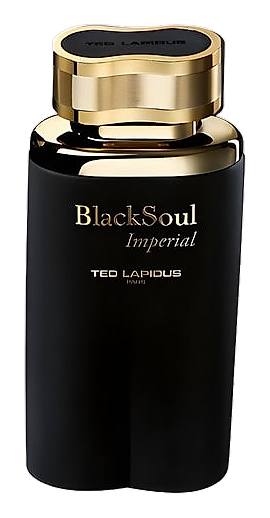
In 2011, Karine Dubreuil Sereni composed Black Soul Imperial for Ted Lapidus as an intensified follow-up to the 2009 Black Soul. The name carries weight, imperial suggests something elevated, darker, less forgiving than the original. Dubreuil Sereni built around coffee as the axis, anchoring it between bright citrus and deep leather. The goal wasn't complexity for its own sake. It was a scent that meant something, that had a point of view. She sought to create a fragrance with presence, one that would establish itself firmly and make its mark. The coffee note provides an aromatic foundation, the citrus adds brightness, while the leather brings depth and substance.
Coffee as a note is tricky. It can go sweet and playful, the gourmand route, or it can go bitter and dark. Black Soul Imperial chooses the latter, and that's what makes it work. The coffee doesn't soften. It grounds everything that comes after it, gives the spices something to argue against, gives the leather something to hold onto. The mint in the heart isn't there to freshen. It's there to create tension, cool against warm, clean against dark. That contrast is what separates this from simpler coffee fragrances. It's not trying to smell like a café. It's trying to smell like the person who just left one.
The evolution
Black Soul Imperial takes the foundation of the original and pushes into richer territory. The coffee note becomes more pronounced, supported by an amplified leather accord. Where the first Black Soul offered balance, this version embraces intensity. The perfumer focused on creating something that would linger and develop over time, allowing the wearer to experience the full arc of the fragrance. The evolution feels purposeful, building on success while exploring darker depths.
Cultural impact
Black Soul Imperial arrived offering an alternative to prevailing trends. Rather than chasing sweetness or lightness, it embraced warmth, depth, and richness. The coffee and leather combination created something with genuine substance. This represented a choice to pursue a particular aesthetic, one rooted in complexity and warmth rather than following the sweeter directions that had become common. The fragrance found its audience among those who appreciated this approach.
The House
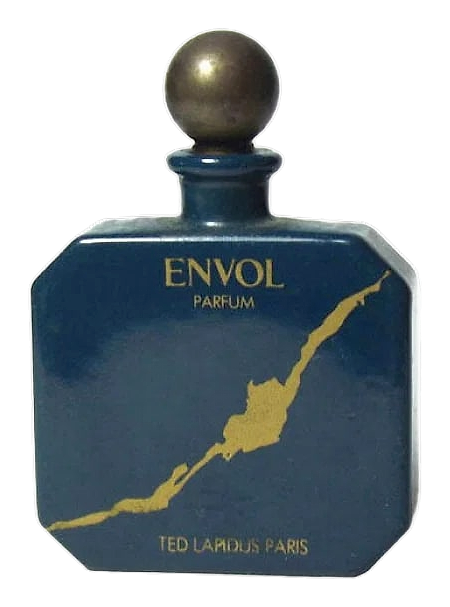
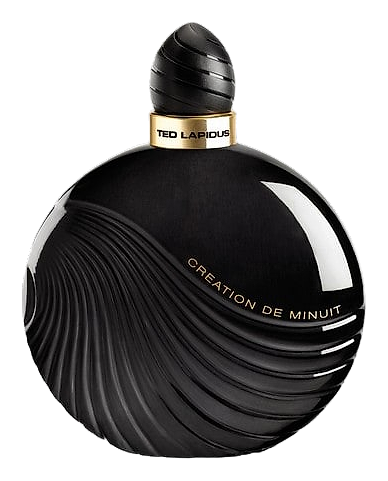
Ted LapidusTed Lapidus stands as a distinctive figure in French fashion and fragrance, having trained under Christian Dior before establishing his own house in 1951. The brand gained significant cultural traction in the 1960s, attracting a clientele of French celebrities. fragrance operations launched in partnership with l'Oréal in 1970, marking an expansion beyond ready-to-wear into the world of scented goods. The house maintains a portfolio spanning over four decades of fragrance creation, with notable releases including Vu par Ted Lapidus (1975), Pour Homme (1978), and more recent entries such as Oud Blanc (2014) and Orissima Divine (2019). The fragrance division eventually came under the ownership of The Bogart Group, a company recognized for its portfolio of scent brands. The house occupies a particular niche in the fragrance landscape, offering options that range from classic masculine orientals to contemporary interpretations involving oud and other noble materials. Ted Lapidus remains associated with a certain vision of masculine elegance that emerged from the Parisian fashion world of the mid-twentieth century.
The Creator
Karine Dubreuil SereniDubreuil-Sereni's portfolio spans an unusually wide territory, from fresh masculine orientals to luminous feminine florals. She demonstrates particular skill with masculine compositions, having created multiple flankers and variations across several houses.