The Story
Why it exists.
The beginning
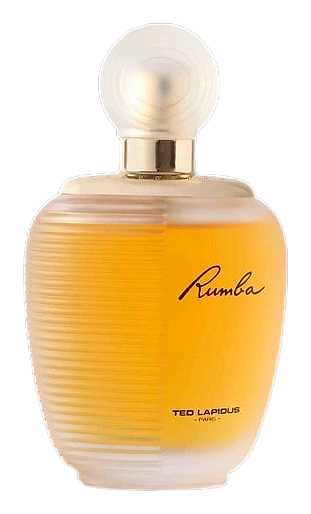
Rumba arrived with a specific intention: to make an impact. Jean-Claude Ellena built this around mirabelle plum and peach, stone fruit sweetness in the opening that catches the light immediately. But there's no intent to stay gentle. The heart introduces honey and white florals, tuberose, gardenia, jasmine, working in concert to create something that breathes close to the skin but demands the room acknowledges it. The sweetness doesn't merely hint at presence, it asserts it, a confident statement that refuses to fade into background noise. Ellena designed this for the wearer who doesn't need permission to enter.
The density of Rumba's heart is what sets it apart. Eleven heart notes listed, but the composition doesn't read as crowded. It reads as committed. White florals often compete with each other; here they arrive in sequence, tuberose first with its animalic presence, gardenia following with cream, jasmine adding weight. The honey amplifies rather than sweetens, sticky, slightly animalic, pushing the florals toward something more provocative. It's an old-school move that works precisely because it doesn't apologize for what it is.
The evolution
The opening hits bright and fruity, plum, peach, and bergamot create an immediate sweetness. Berry notes linger underneath, adding depth to what could have been a simple top. Then the florals arrive, tuberose and gardenia leading a dense white floral heart that's simultaneously sweet, creamy, and indolic. Honey amplifies the richness without softening it. As it settles, the florals recede slightly and leather begins to emerge from the base, warm, soft, wrapping around what remains of the sweetness. Ambergris adds animalic depth without becoming dirty. Sandalwood, patchouli, and vanilla anchor everything, with musk threading through the close. What lingers into the next morning isn't fruit or florals, it's warm skin, warm wood, warm leather. The scent evolves throughout the day.
Cultural impact
Rumba belongs to a moment in perfumery, late 1980s, when fragrances didn't negotiate for attention. The sweet-fruity-floral-animalic composition reads as bold rather than cloying in its era. What some call dated, others call timeless: a full-blooded oriental floral that refuses to apologize for what it is. The kind of fragrance people stumble across years later and regret sleeping on.