The Story
Why it exists.
The beginning
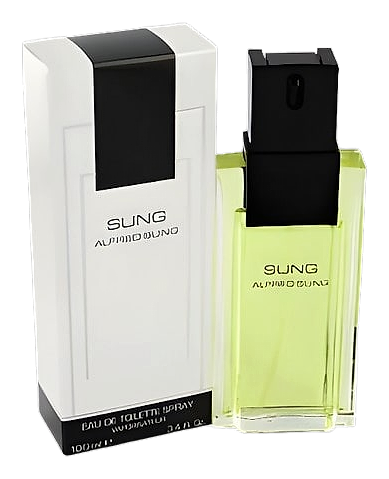
Sung by Alfred Sung came from a designer who believed beautiful scent should be part of everyday life, not reserved for special occasions. Alfred Sung built his fashion house on accessible luxury, clothing designed for real women living actual lives, not runway abstractions. When he translated that philosophy into fragrance in 1986, the result was a scent named simply Sung, as if the name itself was enough. And for a fragrance that refuses to try too hard, it was. The name carries meaning too. Sung means 'to lift up', an optimistic gesture toward what wearing the fragrance should feel like. Not louder. Not more. Lifted.
What makes the structure interesting is how the top and heart play against each other. The citrus opening isn't just brightness for its own sake, ylang-ylang adds a tropical, slightly heady quality that prevents it from reading as mere cleanliness. Then the heart arrives with a full arsenal: jasmine, lily-of-the-valley, iris, osmanthus. That's not a cautious composition. It's a deliberate abundance, the kind that signals confidence rather than restraint. The base does the quiet work of making it wearable. Vanilla and sandalwood provide cream. Oakmoss and vetiver keep the florals grounded. Without that grounding, this would be a different fragrance entirely, sharper, less forgiving.
The evolution
The opening announces itself within seconds, citrus sparkle that feels almost effervescent. Bergamot, lemon, mandarin orange all present, but the ylang-ylang already softens the edges. Then the green arrives. Hyacinth and galbanum cutting through like a garden immediately after rain, wet earth, green stems, something alive and immediate. By the second hour, the hand-off happens. Jasmine and lily-of-the-valley overtake the citrus, the heart taking center stage. This is where Sung earns its reputation. A lush, full floral that doesn't apologize for what it is. The osmanthus adds a subtle apricot warmth. The iris keeps things powdery-elegant underneath. The drydown reveals itself slowly over hours. Sandalwood and vanilla create warmth. Oakmoss and vetiver keep it grounded, earthier than the opening suggested. Musk binds everything to skin. By hour eight, what remains is intimate, skin-close, still recognizable as the same fragrance that opened so brightly hours earlier. The sillage doesn't fade evenly.
Cultural impact
Sung found its audience in the democratization of designer fragrance. It was accessible, wearable, and built to last, both in composition and in a wardrobe. What makes its place in fragrance culture interesting is the trajectory: a fragrance that started as an affordable entry point has developed the kind of loyalty usually reserved for niche houses. In communities devoted to vintage scent, Sung circulates as a recognized benchmark. Not because it's the boldest or most expensive, but because it does one thing consistently, it smells like confidence, rendered in florals and woods, and it refuses to fade.