The Story
Why it exists.
The beginning
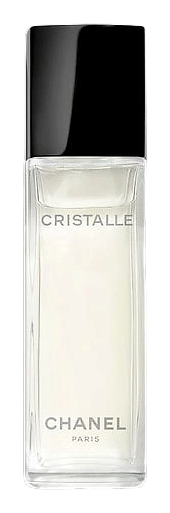
Henri Robert composed Cristalle in 1974 for a woman who wanted to smell like herself rather than a constructed fantasy. Gabrielle Chanel had long prized the invigorating weekends she spent in the countryside, where femininity could exist naturally and with sharp sophistication simultaneously. Robert translated that sensibility into a fragrance that begins immediately in its floral heart, refusing the theatrical pause of a distinct opening act. The use of Hyacinth brought a botanical specificity uncommon in mainstream luxury perfumery of the era, positioning Cristalle EDT as a study in green florals rather than a sugar-heavy floral bouquet. Chanel maintained near-total creative control over fragrance creation, and Cristalle reflects that house precision, with each named note occupying purposeful real estate in the composition.
The note selection in Cristalle EDT reflects a specific olfactory philosophy: green florals should provide structure, while warm woods bridge the transition to earthy base materials. The absence of citrus or spicy topnotes signals intentionality; Robert wanted Jasmine and Hyacinth to speak without distraction from the first moment. Rosewood functions as a mediating element, its softness preventing Hyacinth from dominating entirely. The inclusion of Honeysuckle introduces a note rarely used as a principal heart component, offering nectarous sweetness that counters the cooler florals.
The evolution
The scent journey of Cristalle EDT begins without preamble, the Jasmine arriving alongside the spray with clean authority. Hyacinth asserts itself quickly, lending its characteristic green, slightly bracing floral tone that defines the first hour of wear. Rosewood tempers this greenness with its warm, softly woody presence, preventing the composition from reading as harsh or overly botanical. Honeysuckle threads its sweeter character through the mid-section, offering a juxtaposition against the cooler floral elements. As hours pass, Jasmine and Honeysuckle fade gradually, while Rosewood merges into the emerging base. The drydown introduces Oakmoss for earthy depth, a note that dominated perfumery before IFRA restrictions, lending Cristalle its period authenticity. Vetiver arrives in the final stages, contributing dry grass and subtle smoky dimensions that complete the fragrance with an organic, grounded finish.
Cultural impact
Cristalle occupies a particular space in the Chanel fragrance canon: not a statement piece like N°5, not a modern classic like Bleu de Chanel, but something more personal. It was designed for a woman who wanted to smell like herself, someone who valued naturalness over performance. The green-fresh character, anchored in the chypre structure, gives it an understated elegance that sets it apart from sweeter interpretations. The 1993 EDP version expanded the composition's richness, adding depth to the original while maintaining the essential character that defines the fragrance.