








Heritage
A house, in its own words
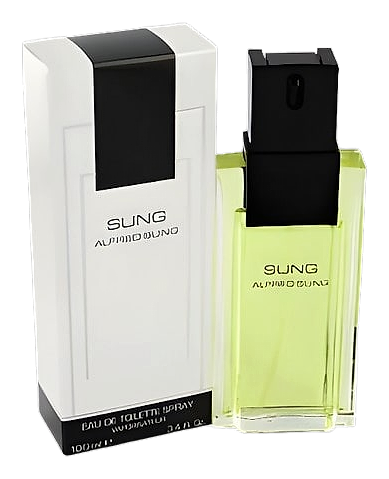
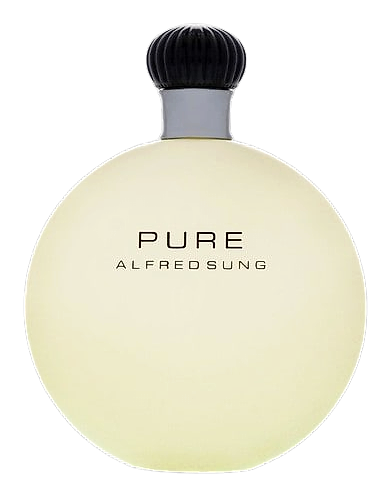
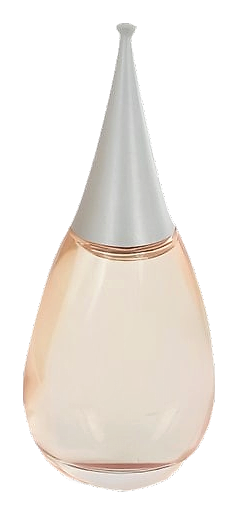
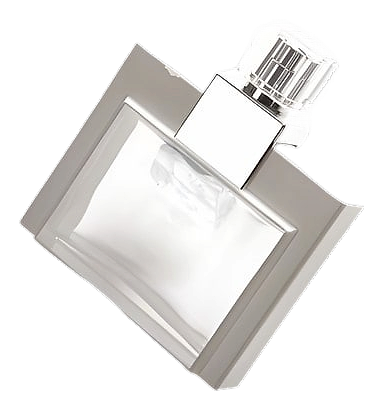
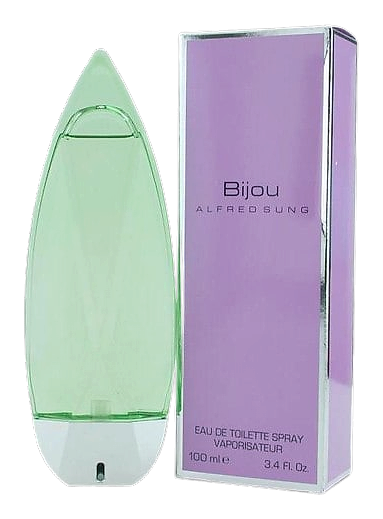
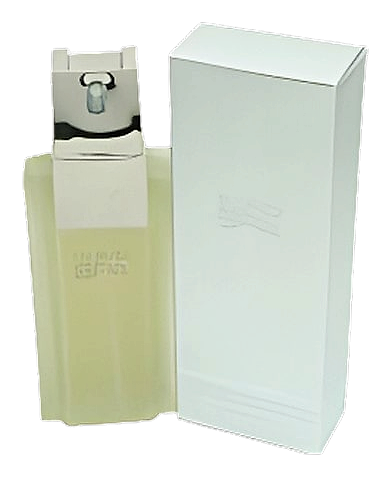
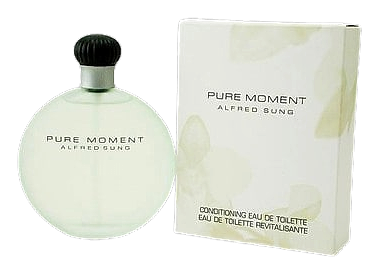
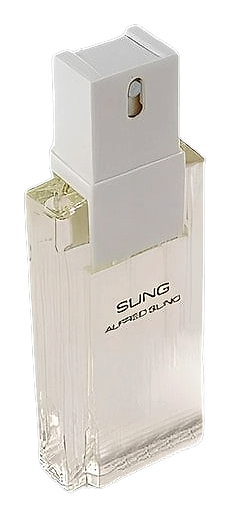
Alfred Sung began his career in fashion, studying at the Ryerson University fashion program (now Toronto Metropolitan University) before establishing his ready-to-wear label in Canada. By 1983, he had gained sufficient recognition to be named Canada's 'King of Fashion' by MacLean's Magazine, a title reflecting his dominance in domestic fashion at a time when Canadian designers rarely achieved national profile. The Sung fashion house operated from Toronto, producing collections that emphasized clean tailoring and accessible luxury, building a customer base among Canadian women seeking polished everyday dressing. In 1986, Alfred Sung made the transition into fragrance, launching Parfums Alfred Sung through Riviera Concepts Inc., a division of Insignia Group. The debut scent, simply named Sung by Alfred Sung, became the first ladies' perfume from the designer and reportedly achieved significant commercial success. That same year, Alfred Sung became the first Canadian designer brand to be traded on the Toronto Stock Exchange, marking a milestone for domestic fashion as a publicly viable industry. The fragrance division expanded with Sung Homme in 1989, establishing a parallel male line. Throughout the 1990s and 2000s, the house continued releasing flankers and new compositions including Encore (1990), Pure (1997), Pure Moment (1999), Sha (2003), and the Jewel and Bijou pair in the mid-2000s. The longevity of the brand across nearly four decades reflects sustained consumer interest and a product portfolio that emphasizes wearability over novelty. Alfred Sung approached fragrance with the same sensibility that defined his fashion work: clothing designed for real women living actual lives rather than runway abstractions. His perfume philosophy centers on accessibility and timelessness, creating scents meant to be worn regularly rather than reserved for special occasions. Rather than positioning fragrance as an aspirational luxury, the brand has historically communicated that beautiful scent should be part of everyday life, a democratizing approach uncommon among designer fragrance houses of the 1980s and 1990s. The emphasis on floral and woody notes in most Sung compositions reflects a preference for recognizable, comfortable fragrance rather than challenging or avant-garde accords. This approach attracted a customer seeking sophistication without intimidation, someone who wanted to smell pleasant and polished without announcing herself. The brand's longevity suggests this philosophy resonated broadly enough to sustain decades of sales without major reformulation or trend pivoting. Alfred Sung reportedly viewed fragrance as an extension of personal style, something that should feel as natural as choosing an outfit. This integration of scent into daily presentation rather than treating it as separate ritual aligns with his broader design philosophy of making elegance attainable.