The Story
Why it exists.
The beginning
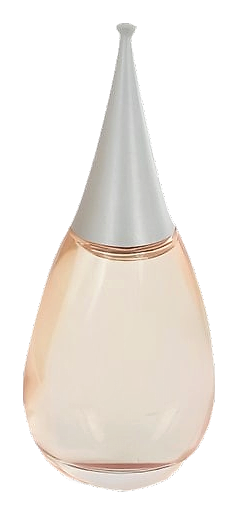
Sha arrived in 2003 as the optimistic continuation of Alfred Sung's Shi. The name itself carries weight in its brevity: Sha, written simply, suggesting continuation without elaboration. The fragrance carries a floral-green character, with lilac at its core, joined by water lily, frangipani, jasmine, and ylang-ylang that layer warmth through the cool opening. Cedar, musk, and heliotrope anchor the composition as it settles. The 2003 launch positioned Sha as a limited edition, a deliberate choice that signaled something singular. The fragrance embodies the attention to detail Sung brought to fashion, creating something refined and approachable rather than ostentatious.
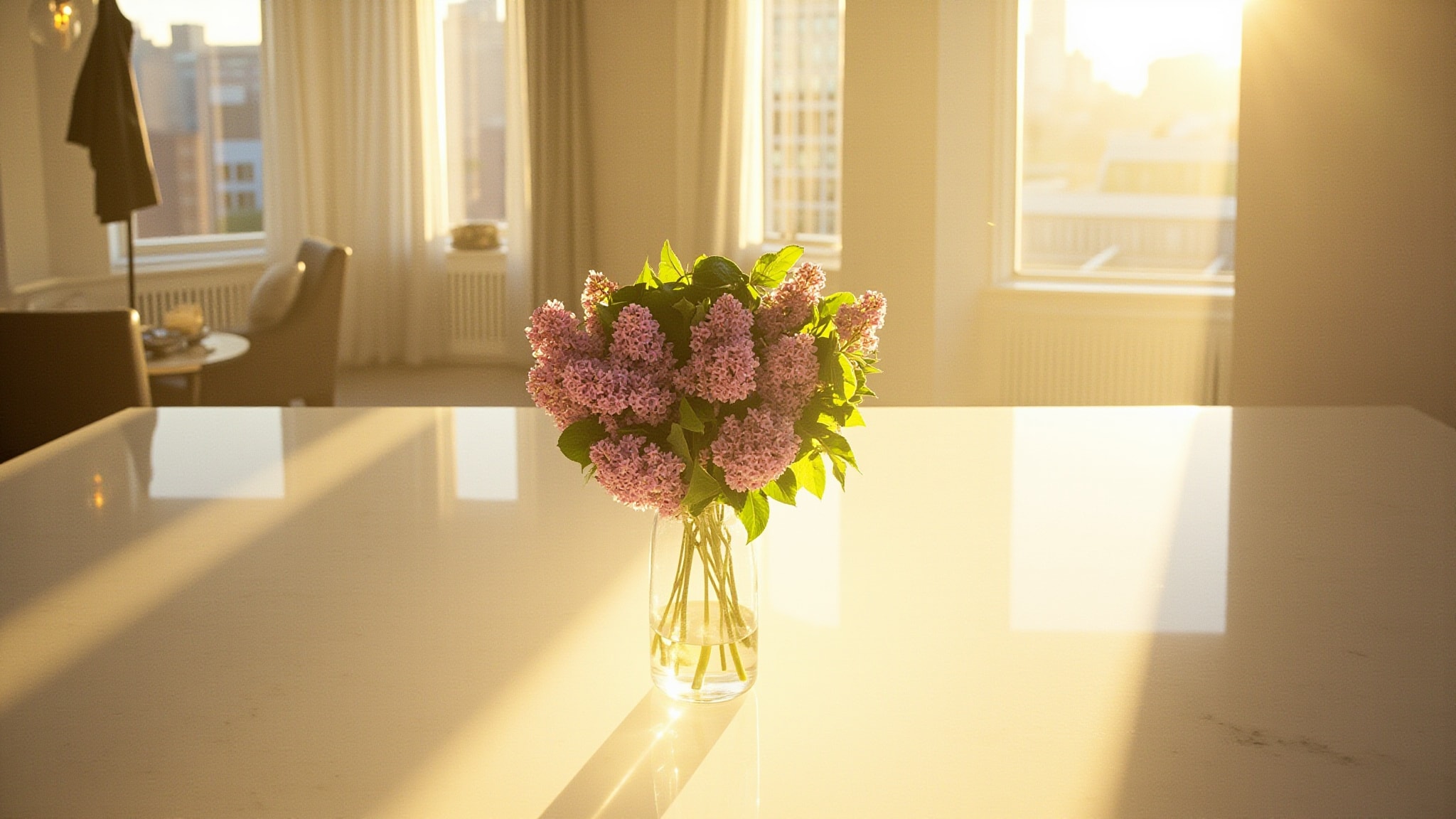
The structure is unusual in its density of white florals layered over green. Where many floral fragrances build linearly, top, heart, base, Sha stacks its flowers: lilac arrives first and stays, lotus and frangipani emerge as it settles, jasmine and ylang-ylang deepen the middle, heliotrope adds its vanilla-soft finish over cedar and musk. The result feels like standing in a garden where everything is blooming simultaneously, not in sequence. Lilac's particular character, simultaneously fresh and slightly bitter, green and romantic, anchors the composition against the sweeter white florals.
The evolution
The opening is lilac, immediate and clean, that specific coolness of lilac that smells like morning in a garden, not perfume. The composition holds that single note with surprising discipline. Then the composition shifts: water lily and frangipani emerge, bringing a watery quality that cools the lilac without replacing it. The transition is not dramatic, more like watching light change across a garden as clouds pass. Jasmine and ylang-ylang join in, their warmth threading through the green cool. Cedar arrives to ground everything that came before, adding structure and weight. The dry-down settles into cedar, musk, and a ghost of heliotrope, skin-close and intimate, lingering with quiet presence rather than projection. Throughout the wear, the fragrance maintains its composure, never becoming muddy or confused as notes layer and reveal themselves in sequence.
Cultural impact
Sha launched in 2003, a period when floral-green fragrances occupied a distinct space in perfumery. The fragrance arrived as the market was beginning to shift toward lighter, more minimal compositions, making Sha something of an endpoint for a certain style of lush, botanical-forward fragrance design. Its lilac-forward composition represents an unconventional choice, as lilac typically serves as a supporting note in mainstream perfumery rather than taking center stage.