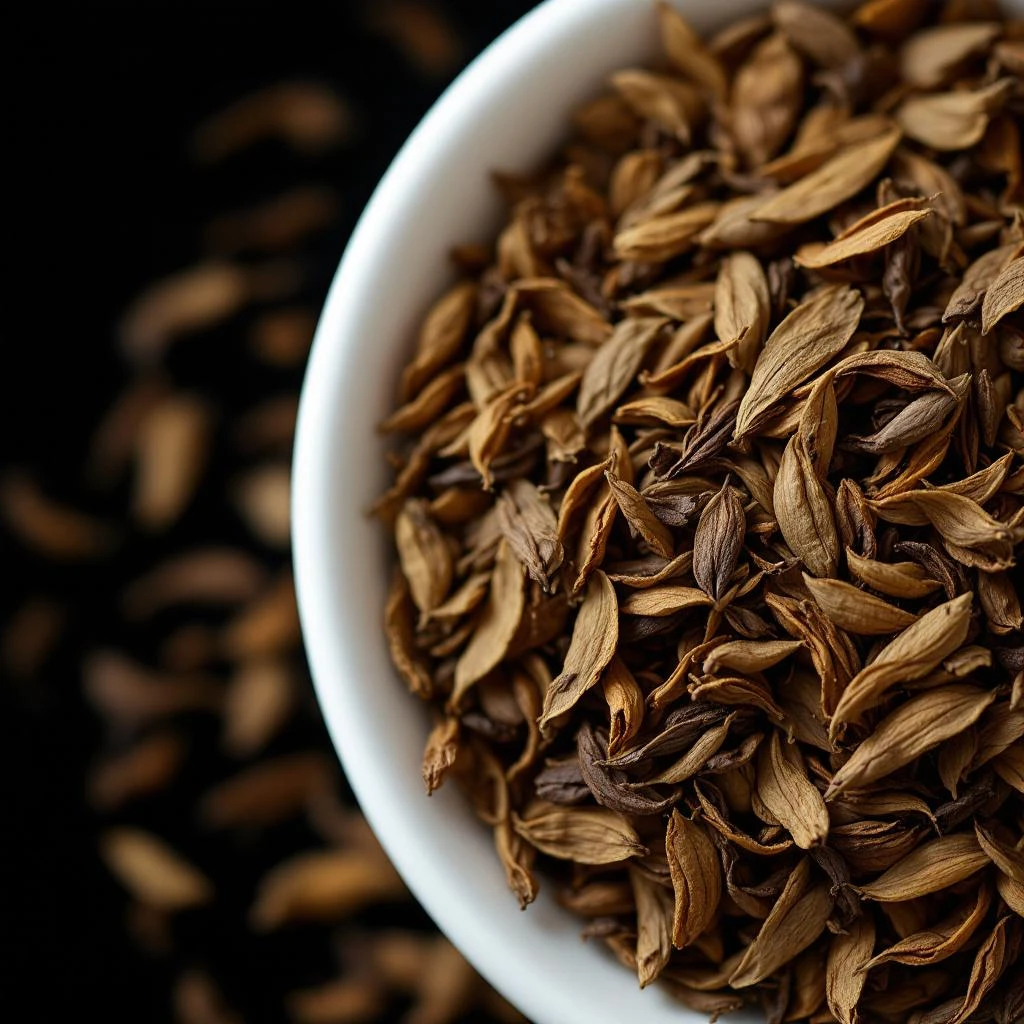
Ivy
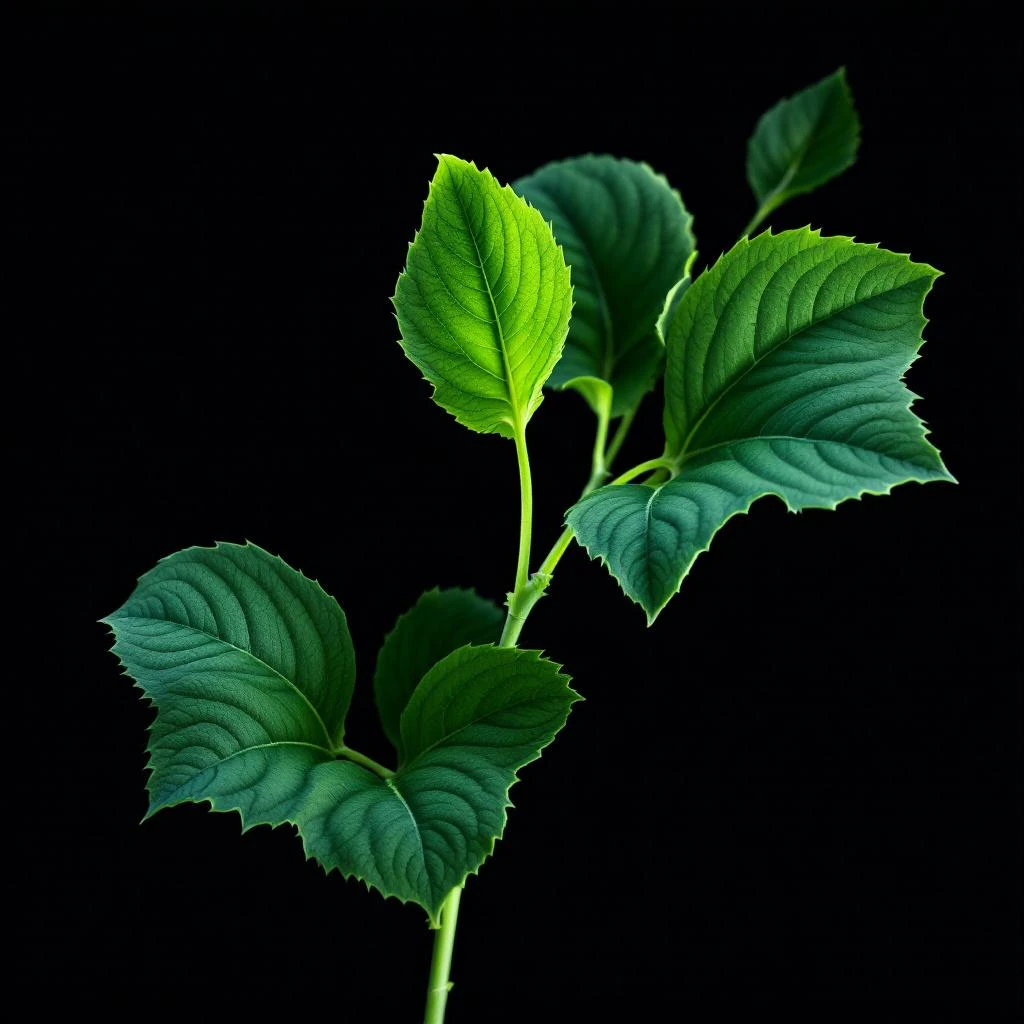
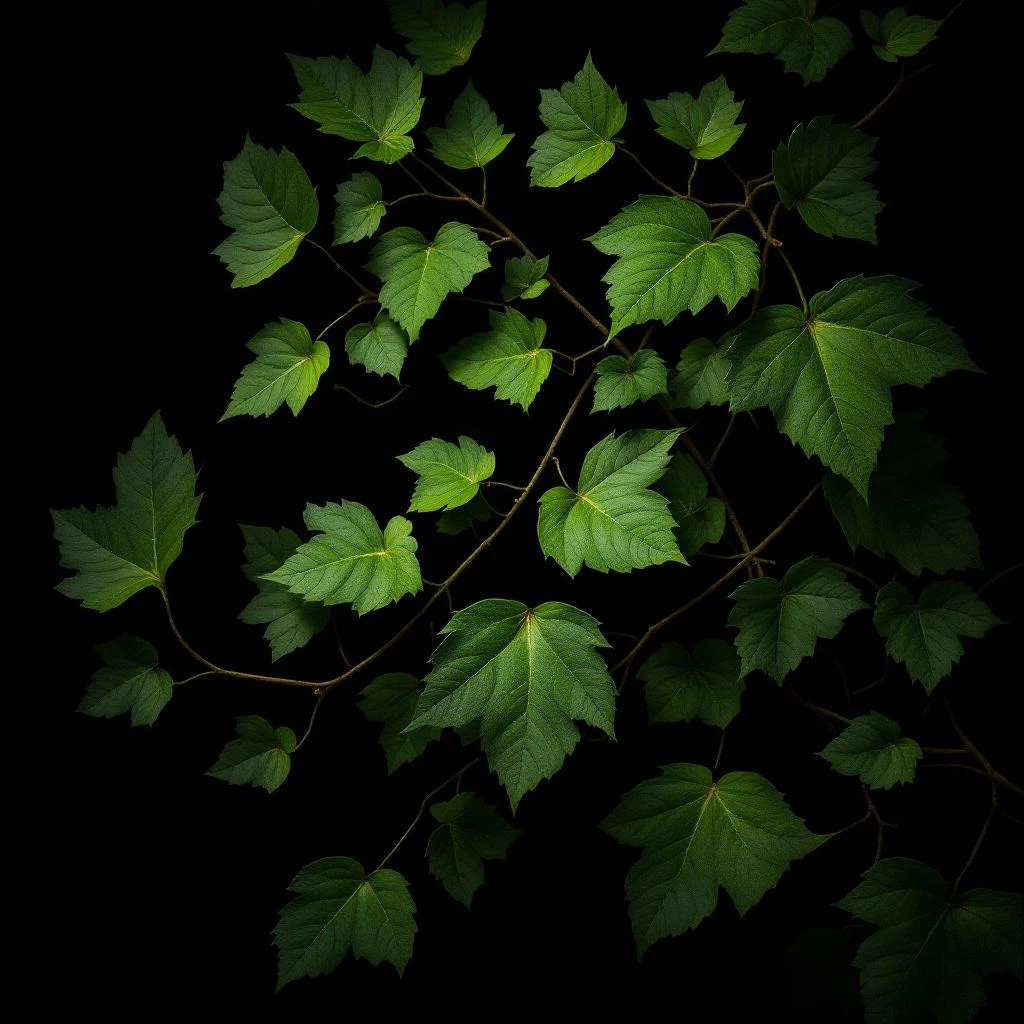
Ivy brings a green, slightly bitter freshness to fragrances, capturing the crispness of climbing vines and shaded woodland floors. This botanical note evokes morning dew and crushed leaves, adding an organic vitality that grounds lighter compositions.
Character
How it smells
The green soul of shaded woodlands
Ancient Greeks associated ivy with Dionysus, wearing ivy wreaths during festivals to honor the god of wine and revelry.









Origin
France
Ivy has deep roots in European cultural history, long before its application in perfumery. The ancient Romans adorned their banquet halls with ivy during festivals celebrating Bacchus, the Roman equivalent of Dionysus, believing the plant offered protection against intoxication.
Celtic traditions held ivy as a symbol of fidelity and marriage, weaving it into bridal crowns. Medieval herbalists used ivy preparations for various medicinal purposes.
The plant's resilience, surviving in shaded environments where other plants could not, contributed to its symbolic associations with loyalty and endurance. Perfumers began incorporating ivy notes in the early 20th century as interest in green, natural-smelling compositions grew.
Wears it best
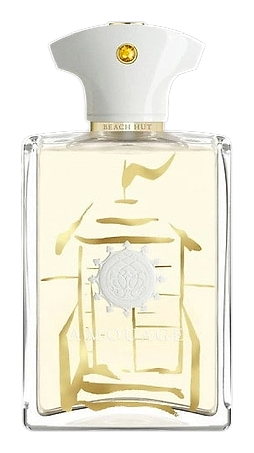
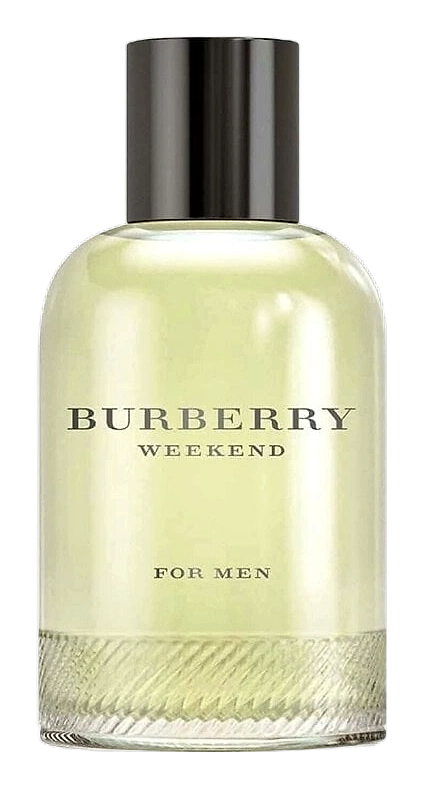
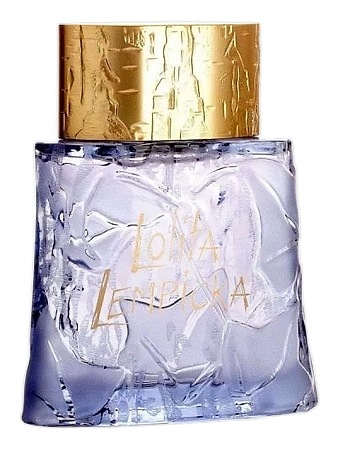
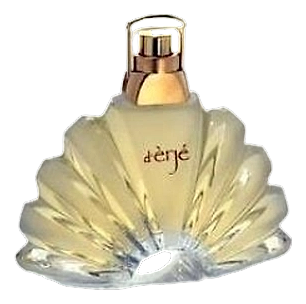
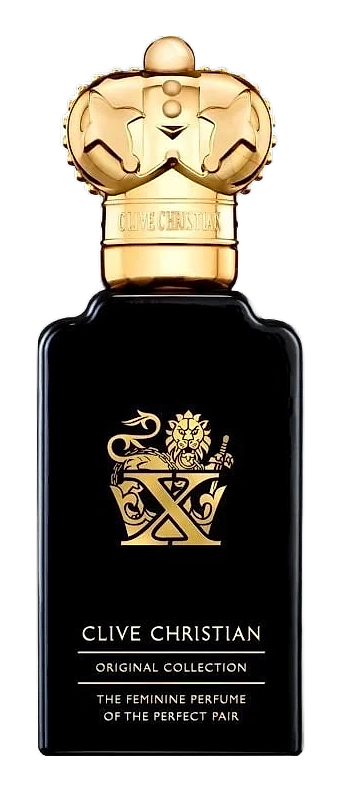
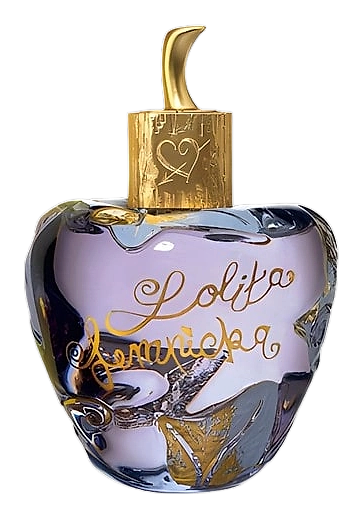
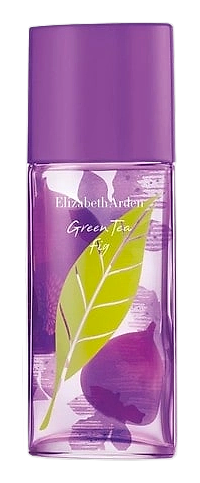
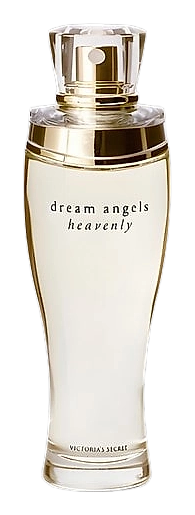
Fragrances featuring Ivy


Brands
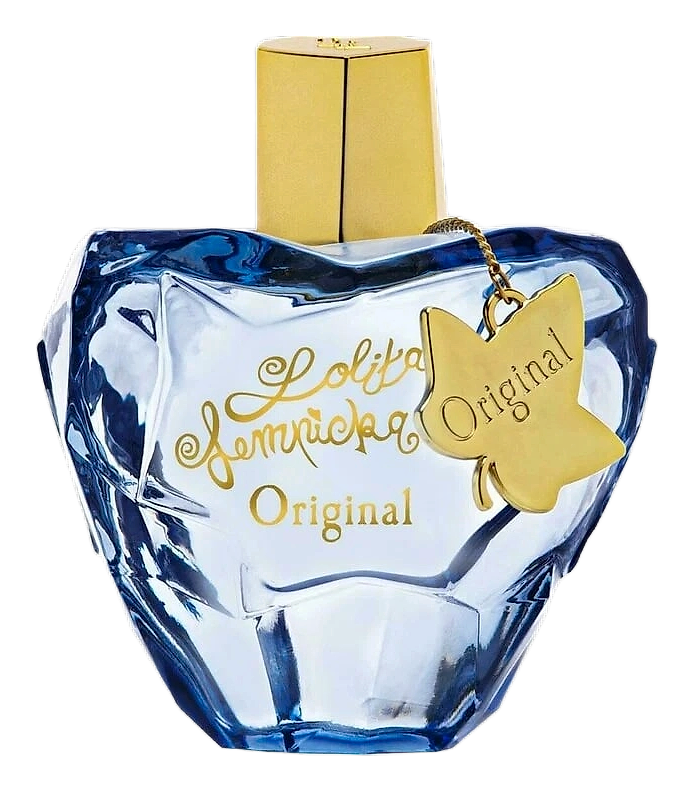
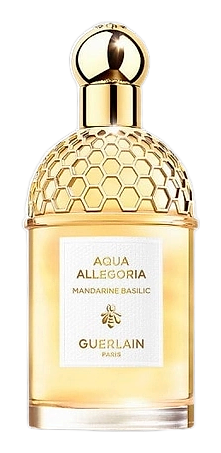
Brands known for Ivy
Good to know
Questions, answered
The essentials on Ivy in perfumery: how it smells, where it comes from, and how it behaves on skin.
What does ivy smell like in perfume?
Ivy delivers a crisp, green scent reminiscent of crushed leaves and morning dew. It carries slight bitterness and an organic freshness that adds natural vitality to fragrance compositions.
Is ivy a natural or synthetic ingredient?
Ivy absolute comes from natural extraction of Hedera helix leaves. However, perfumers often recreate ivy notes using synthetic molecules like cis-3-hexenol to achieve the characteristic green leaf effect.
Which fragrances feature ivy as a main note?
Ivy appears in several niche fragrances as a supporting green note. The ingredient is less common as a primary focus but contributes to the green accord in many chypre and fresh fragrance constructions.
What extraction method produces ivy absolute?
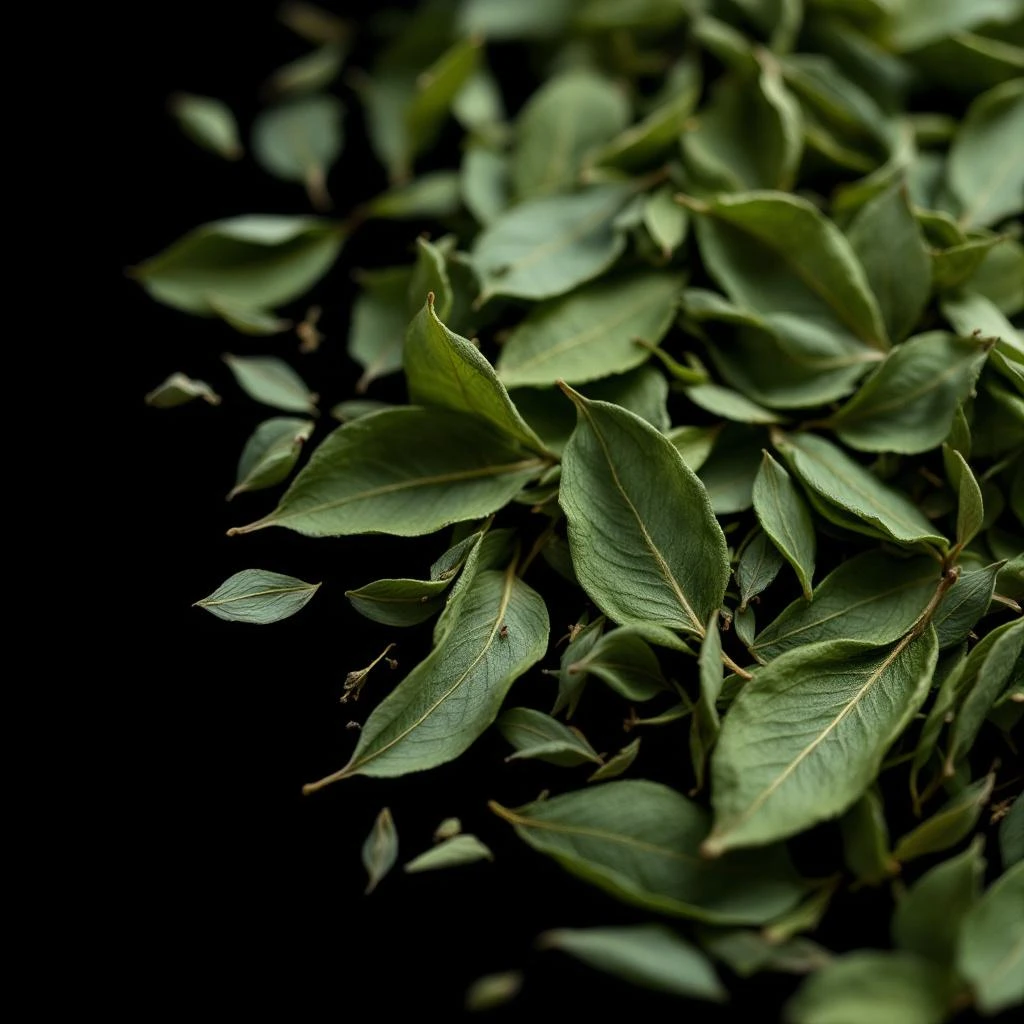
Solvent extraction of fresh leaves produces ivy absolute. This method preserves the delicate green-smelling compounds that would be lost through heat-based distillation processes.
Where does ivy used in perfumery originate?
Common ivy (Hedera helix) grows wild across Europe, with significant cultivation in France, Germany, and the United Kingdom. The plant thrives in temperate climates and shaded environments.
Does ivy have any symbolic significance in perfumery?
Ivy carries historical symbolism of fidelity and loyalty from Celtic and Roman traditions. These associations add cultural resonance when the ingredient appears in fragrance narratives.
Can ivy be combined with other green notes?
Ivy pairs naturally with galbanum, violet leaf, and fresh mint notes. These combinations enhance the green, dewy quality and create more complex woodland-inspired accords.
Is ivy used in skincare or aromatherapy?
Ivy extracts appear in some traditional herbal preparations, though concentrated ivy absolute contains compounds that require careful dilution. The ingredient is primarily valued in fine perfumery.