





    Brand Profile

    Suzy Larsen Perfumes is an independent fragrance house based in Kelowna, British Columbia. The label began in 2007 under the name Naked Leaf…More

    Canada·Est. 2007·Site

    4.7

    Rating

    7
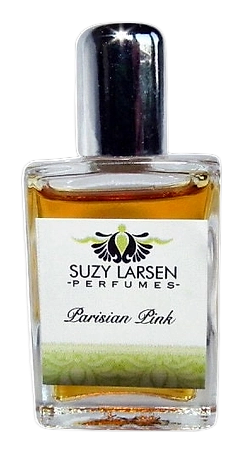
    Parisian Pink by Suzy Larsen Perfumes
    Best Seller
    4.7

    Parisian Pink

    Raincoast by Suzy Larsen Perfumes
    Best Seller
    4.5

    Raincoast

    Love Bird by Suzy Larsen Perfumes
    Best Seller
    4.5

    Love Bird

    Basque by Suzy Larsen Perfumes
    4.2

    Basque

    Tickled Pink by Suzy Larsen Perfumes
    4.0

    Tickled Pink

    Ishiki by Suzy Larsen Perfumes
    4.0

    Ishiki

    Carnival by Suzy Larsen Perfumes
    3.5

    Carnival

    The Heritage

    The Story of Suzy Larsen Perfumes

    Suzy Larsen Perfumes is an independent fragrance house based in Kelowna, British Columbia. The label began in 2007 under the name Naked Leaf Perfumes and adopted its current name in 2013. Suzy Larsen, a certified nutritional consultant, creates small‑batch scents that draw on botanical ingredients and aim to stir an emotional response. The portfolio includes niche releases such as Love Bird (2012) and a cluster of 2010 fragrances—Raincoast, Basque, Parisian Pink, Tickled Pink, Ishiki and Carnival. The brand positions itself as a natural‑focused alternative to mass‑market offerings, emphasizing hand‑blended formulas and sustainable packaging.

    Heritage

    Suzy Larsen launched her first perfume venture in 2007 after years of studying nutrition and aromatherapy. The original name, Naked Leaf Perfumes, reflected her early experiments with tea leaf extracts and other plant‑based materials. By 2008 the line released its first commercial fragrance, a simple citrus‑green blend that attracted a modest following among online scent communities. In 2010 the house expanded rapidly, issuing a series of eight scents that explored coastal, floral and woody themes; Raincoast and Basque debuted that year and remain reference points for the brand's early aesthetic. Love Bird arrived in 2012, inspired by a bird‑watching trip along the Pacific coast and quickly became a signature scent. A strategic rebrand in 2013 renamed the company Suzy Larsen Perfumes, aligning the label with the founder's personal name and reinforcing the narrative of a single creative voice. Over the next several years the brand deepened its ties to local suppliers, sourcing carrier oils and botanical extracts from farms in the Okanagan Valley. In 2015 Suzy began showcasing her work at regional artisan markets, where she demonstrated the hand‑blending process to customers. A 2020 shift toward fully recyclable glass bottles and biodegradable labels marked a concrete step in the house's sustainability agenda. Throughout its evolution the brand has remained small‑scale, with production limited to a few hundred bottles per release, allowing Larsen to maintain direct oversight of each batch.

    Craftsmanship

    Production at Suzy Larsen Perfumes follows a hands‑on, small‑batch model. Raw materials arrive from vetted growers in British Columbia, the Mediterranean and Japan, where the brand purchases wild‑crafted botanicals such as yuzu peel and frankincense resin. Once received, the ingredients undergo a quality check for purity and aroma intensity. Larsen then blends the components in a stainless‑steel vessel, using a scale accurate to 0.01 gram to maintain consistency across batches. The formulas often incorporate carrier oils like jojoba or fractionated coconut oil, which provide skin‑friendly dilution and extend the scent’s longevity. After blending, the mixture rests in dark glass containers for a minimum of four weeks, allowing the notes to harmonize. During this maturation phase, Larsen conducts sensory evaluations, adjusting the balance if necessary. The finished perfume is filtered through a fine mesh to remove any particulate matter before being decanted into recycled glass bottles. Labels are printed on recycled paper with soy‑based inks, and caps are made from reclaimed aluminum. Each bottle receives a hand‑applied seal, confirming that the batch meets the house’s quality standards. The entire workflow emphasizes traceability; batch numbers correspond to a digital ledger that records ingredient origins, blending dates and test results, ensuring that every bottle can be linked back to its source.

    Design Language

    The visual language of Suzy Larsen Perfumes mirrors its natural ethos. Bottles feature clear, thin‑walled glass that showcases the perfume’s pale hue, while the label employs a muted, earth‑tone palette and a simple serif typeface. A single leaf icon appears on each cap, reinforcing the connection to botanical ingredients. The packaging design avoids ornate embellishments, favoring clean lines and understated typography that convey a sense of quiet confidence. Marketing imagery often depicts the fragrances alongside natural settings—coastal cliffs, forest canopies or herb gardens—highlighting the scents’ origins. The brand’s website uses ample white space and high‑resolution photography of the bottles placed on reclaimed wood or stone surfaces, reinforcing the handcrafted narrative. Seasonal releases sometimes introduce limited‑edition sleeves printed on seed‑paper, which can be planted after use, further linking the visual identity to sustainability. Overall, the aesthetic balances minimalism with tactile warmth, inviting the consumer to experience the perfume as both a scent and a small work of art.

    Philosophy

    Suzy Larsen approaches perfumery as an extension of holistic wellbeing. Her background in nutritional consulting informs a belief that scent can influence mood, memory and even physiological balance. The house prioritizes natural extracts, opting for cold‑pressed essential oils, absolutes and tinctures whenever possible. Larsen avoids heavy reliance on synthetic aromachemicals, reserving them for cases where a natural counterpart cannot achieve the desired effect. Each fragrance is conceived around a personal story or place, translating an emotional imprint into a scent architecture. The brand’s tagline—natural perfumes to inspire the senses and create an emotional impact—captures this intent without resorting to vague superlatives. Transparency guides the creative process; ingredient lists appear on the bottle and on the website, allowing consumers to understand the composition. Sustainability also shapes the philosophy: sourcing practices favor fair‑trade partners and low‑impact harvesting, while packaging choices aim to reduce waste. In interviews, Larsen emphasizes that perfume should be a mindful ritual rather than a fleeting trend, encouraging wearers to pause and engage with the aroma as a moment of self‑care.

    Key Milestones

    2007

    Company founded as Naked Leaf Perfumes in Kelowna, BC.

    2008

    First commercial fragrance released, a citrus‑green blend.

    2010

    Series of eight fragrances launched, including Raincoast and Basque.

    2012

    Love Bird introduced, inspired by a bird‑watching trip on the Pacific coast.

    2013

    Brand renamed Suzy Larsen Perfumes to align with founder’s name.

    2015

    Started selling at regional artisan markets, offering live blending demos.

    At a Glance

    Brand profile snapshot

    Origin

    Canada

    Founded

    2007

    Heritage

    19

    Years active

    Collection

    1

    Fragrances released

    Avg Rating

    4.7

    Community sentiment

    Release Rhythm

    2012
    1
    2010
    6
    suzylarsenperfumes.com

    Did You Know?

    Interesting Facts

    Distinctive details and defining moments that shape the house personality.

    01

    Suzy Larsen holds a certification in nutritional consulting, a background she cites as influencing her scent compositions.

    02

    The original name, Naked Leaf Perfumes, referenced early experiments with tea leaf extracts and other plant‑based materials.

    03

    Love Bird was conceived after Larsen observed a hummingbird feeding on coastal wildflowers, translating that moment into a fragrance.

    04

    The brand sources a rare wild‑crafted yuzu from a family farm in Japan, using the fruit’s peel in several citrus‑focused scents.

    05

    Each bottle is sealed by hand, and the batch number is logged in a digital ledger that tracks ingredient provenance.

    The Artisans

    The Perfumers