
The Story
Why it exists.
The beginning
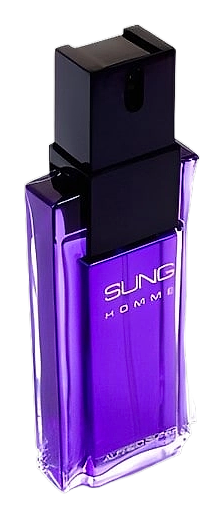
Alfred Sung built his fragrance house on a quiet conviction: beautiful scent shouldn't wait for a special occasion. Sung Homme, released in 1989, was the brand's answer to a decade of blockbusters, aromatic, yes, but leaning into herbs and aldehydes rather than raw power. It was designed to be worn, not displayed. The timing reflected Sung's broader philosophy: the late 1980s were full of fragrances that wanted to announce themselves across a room. Sung Homme wanted to live closer to the skin.
What makes Sung Homme unusual isn't a single standout material, it's the conversation between them. The aldehydes don't blast like Chanel No. 5 or Drakkar Noir; they lift and clarify, giving the herbal structure a clarity most fougères miss. That's the signature: aldehydic precision applied to aromatic restraint. Nine herbs and aromatics in the top, but nothing fighting for attention. The composition earns its complexity through balance rather than volume.
The evolution
The opening announces itself quickly: citrus, juniper, and a sharp green kick from artemisia and basil that reads almost camphoraceous. Sage follows within minutes, softening the edges. The heart phase is where it earns the aldehydic label, a waxy, elevated quality that lifts the carnation and geranium into something cleaner than the typical spicy-floral. Rose and jasmine add warmth underneath. The drydown takes its time. Oakmoss and musk ground everything, while cedar and vetiver keep it from getting too soft. Eight to ten hours on skin, longer on fabric. What lingers is the conifer, pine needle and fir that feel like the memory of a jacket rather than the jacket itself.
Cultural impact
Sung Homme occupies a specific register in masculine fragrance history, the aldehydic fougère, a tradition that peaked in the late 1980s before aquatic and fresh-woody mainstream displaced it. Wearing it today reads as a deliberate choice, the kind of person who stepped off the well-worn path of mass-appeal masculine fragrances and found something quieter. It's not niche or challenging. It's just confident in a way that harder to find now than it was in 1989.