Stone Pine Needle
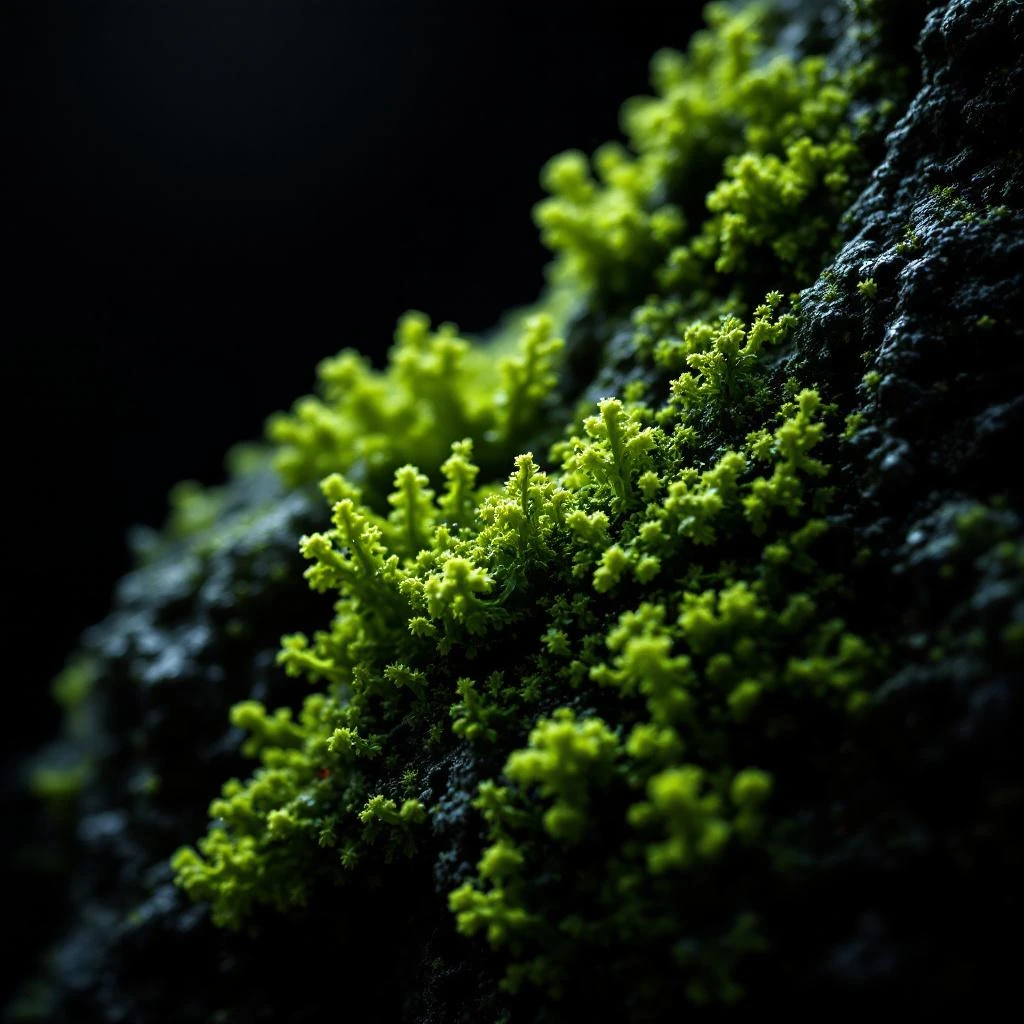
Raw, crisp, and forest-floor fresh. Stone Pine Needle captures the scent of high-altitude pines at sub-zero temperatures — where cold air locks in the essential oils and sharpens every aromatic compound into something vivid and immediate.
Character
How it smells
The cold-air essence of high-altitude pine.
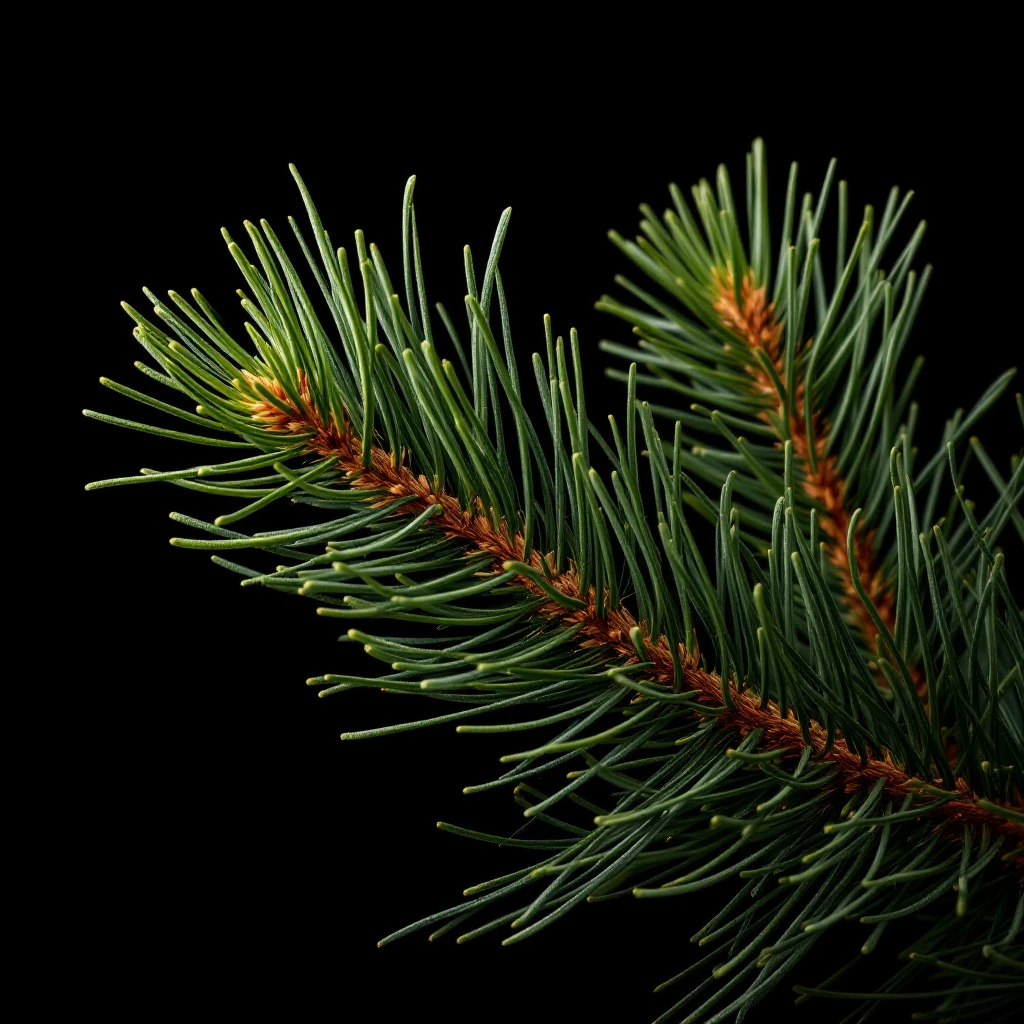
Stone pine needles contain essential oils in microscopic pores along their surface. When temperatures drop, the plant concentrates these compounds to protect cell membranes, making cold-harvested needles especially rich in aromatics.







Origin
France
Pine has been a fragrance material since ancient Mediterranean cultures first discovered that burning pine resin produced a persistent, fragrant smoke. Egyptians used pine oil in embalming and temple rituals. Greeks burned pine at sacred ceremonies and prized it for its purifying associations. Roman soldiers carried pine-torch processions during military triumphs.
The Romans also used pine nuts in cooking and cosmetics, establishing the tree as a multi-purpose botanical resource. By the 18th century, steam distillation arrived in Europe and transformed how perfumers accessed pine aromatics. Rather than relying on burned resin, perfumers could now extract the exact compounds they wanted from fresh needles. Stone pine specifically gained attention when Alpine distillers noted that trees growing at higher elevations produced oil with a cleaner, sharper character.
The term 'stone' in perfumery refers to the mineral, almost wintry quality of these high-altitude materials. Scents like Penhaligon's Lothair and several 1970s masculine colognes featured stone pine needle prominently, establishing it as a signature note in the fougère family. Today it appears across masculine, unisex, and even feminine compositions as a bridge between aromatic and woody fragrance families.
Wears it best
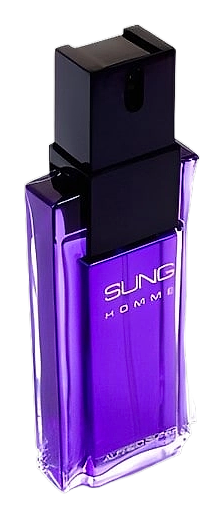
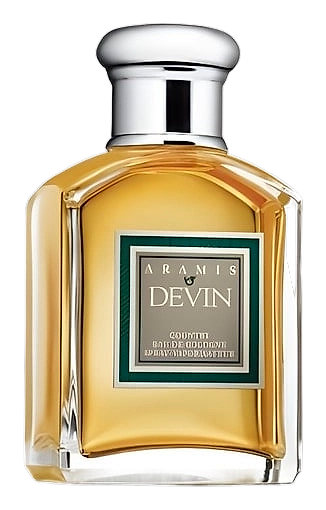
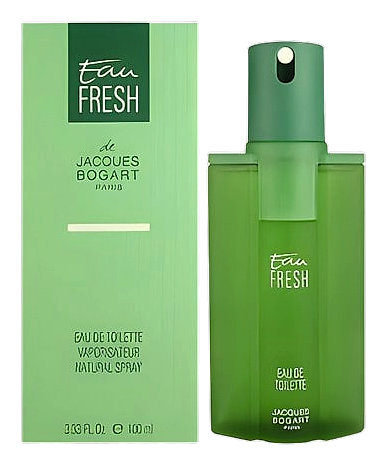
Fragrances featuring Stone Pine Needle
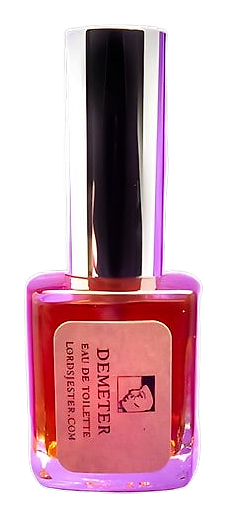
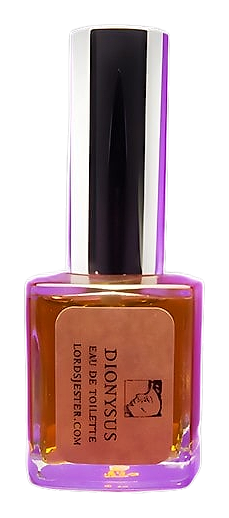
Brands
Brands known for Stone Pine Needle
Good to know
Questions, answered
The essentials on Stone Pine Needle in perfumery: how it smells, where it comes from, and how it behaves on skin.
What does Stone Pine Needle smell like?
Stone Pine Needle reads as sharp, fresh, and green with a dry mineral backbone. Think freshly broken pine branch, cold air, and a hint of turpentine in the opening. The dry-down softens into warm resin and damp bark.
Is Stone Pine Needle oil natural or synthetic?
Stone Pine Needle is a natural ingredient. Steam distillation of Pinus sylvestris needles produces the oil used in perfumery. Reconstructed versions exist for cost reasons, but natural oil remains the preferred material in premium fragrances.
What fragrance families use Stone Pine Needle?
Stone Pine Needle anchors aromatic and fougère compositions. It appears frequently in masculine colognes alongside lavender and oakmoss, and increasingly in unisex fragrances that aim for a forest-forward aesthetic.
How is Stone Pine Needle oil different from other pine materials?
Needle oil differs from pine resin or tar oil in processing and scent. Resin oils are heavier and smoky; needle oils are lighter and more citrus-like. Stone Pine Needle specifically carries a cooler, more mineral character than standard pine needle oil due to the high-altitude growing conditions.
What compounds give Stone Pine Needle its scent profile?
Alpha-pinene dominates the chemistry, typically 40-60% of the oil. Beta-pinene and limonene add secondary notes. These monoterpenes create the characteristic sharp, almost coniferous bite that defines the material.
Does Stone Pine Needle work well with other ingredients?
Stone Pine Needle pairs cleanly with lavender, rosemary, and clary sage in aromatic blends. In woody compositions, it combines well with cedarwood and vetiver. It also works as a bridge note between citrus top notes and heavier base materials.
How long does Stone Pine Needle last on skin?
As a top-to-heart note, Stone Pine Needle projects strongly for the first 30 to 60 minutes on skin, then fades over two to three hours. Fixatives like Iso E Super or ambroxan extend its perceived longevity in a full fragrance composition.
Is Stone Pine Needle the same as Stone Pine the tree?
In perfumery, 'Stone Pine Needle' describes a scent profile rather than a single botanical. It typically refers to Scots pine (Pinus sylvestris) harvested from high-altitude or northern European stands, where cooler temperatures produce oil with a more mineral, less resinous character than lowland pine.