
The Story
Why it exists.
The beginning
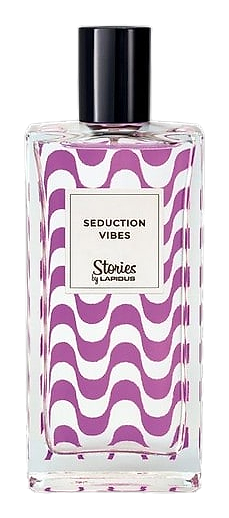
Seduction Vibes arrived in 2020 from Leslie Gauthier, working within Ted Lapidus's tradition of fragrances that announce themselves rather than whisper. The name says everything, this is a scent built around mood, around the energy you bring when you walk into a room. Gauthier structured it around a clear progression: fruit that doesn't apologize, florals that don't flinch, a chocolate-vetiver drydown that refuses to be background music. It's designed for someone who wants the fragrance to do some of the talking.
What makes this composition unusual is the vetiver backbone. In most chocolate florals, the base becomes a soft, diffuse warmth, cashmere without edges. Here, vetiver adds an earthy, slightly smoky counterweight that keeps the chocolate from becoming confection. The iris isn't delicate either. Powdery, yes, but with a resinous depth that connects the bright opening to the warm drydown. It's a composition that knows exactly what it is: bold, slightly animal, and not interested in universal appeal.
The evolution
The opening is all tart fruit, apple and blackcurrant cutting through with pink pepper's slight spark. Thirty minutes in, the florals take over: tuberose first, creamy and insistent, then rose arriving as quiet support. The chocolate doesn't wait for the drydown. It starts appearing around the hour mark, not as a note but as a texture, the feeling of warmth spreading across skin. By hour three, you're in the full drydown: chocolate truffle and vanilla locked together by vetiver. The projection drops to intimate by hour four, but the scent clings to fabric. On skin the next morning: faint vanilla, clean vetiver. On a scarf, two days later, still there.
Cultural impact
Seduction Vibes entered a crowded market of fruity-floral flankers in 2020, but positioned itself differently: less playful, more intent. The chocolate-vetiver combination sets it apart from the typical sweet-floral template, appealing to wearers who want something with a point of view rather than a crowd-pleasing profile.
The House
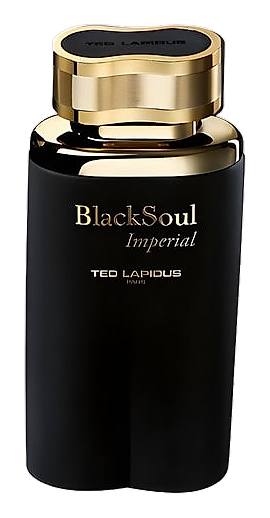
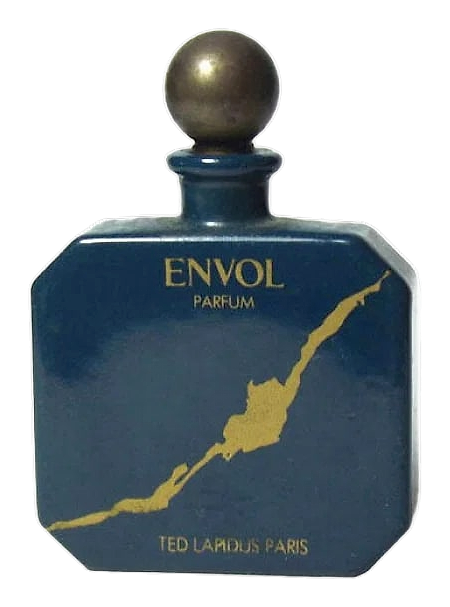
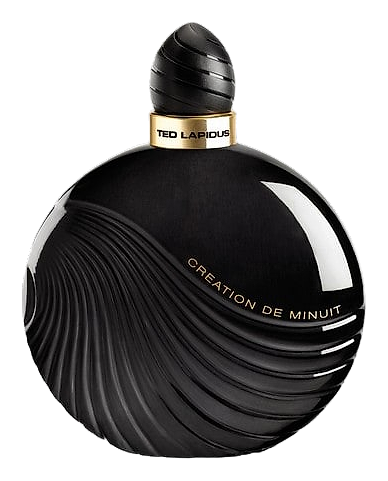
Ted LapidusTed Lapidus stands as a distinctive figure in French fashion and fragrance, having trained under Christian Dior before establishing his own house in 1951. The brand gained significant cultural traction in the 1960s, attracting a clientele of French celebrities. fragrance operations launched in partnership with l'Oréal in 1970, marking an expansion beyond ready-to-wear into the world of scented goods. The house maintains a portfolio spanning over four decades of fragrance creation, with notable releases including Vu par Ted Lapidus (1975), Pour Homme (1978), and more recent entries such as Oud Blanc (2014) and Orissima Divine (2019). The fragrance division eventually came under the ownership of The Bogart Group, a company recognized for its portfolio of scent brands. The house occupies a particular niche in the fragrance landscape, offering options that range from classic masculine orientals to contemporary interpretations involving oud and other noble materials. Ted Lapidus remains associated with a certain vision of masculine elegance that emerged from the Parisian fashion world of the mid-twentieth century.
The Creator
Leslie GauthierGauthier's signature lies in bold contrasts held together by structural precision. She gravitates toward materials that carry narrative weight—ingredients with stories, origins, or sensory signatures that anchor a composition.