The Story
Why it exists.
The beginning
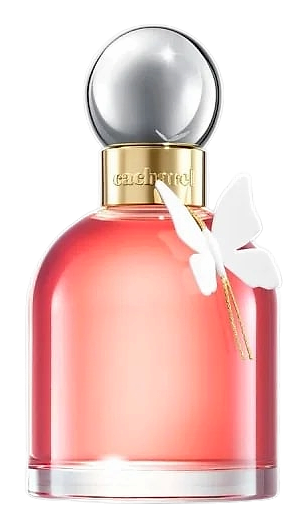
The name says everything and nothing. Ella. The Camargue. The butterfly. Cacharel has always been about lightness as a philosophy, femininity unbound, beauty that doesn't announce itself. This fragrance takes that impulse and gives it a specific landscape: the marshlands of southern France, where wild horses wade through shallow water and pink flamingos trace the horizon. The butterfly is the symbol because butterflies are the only thing that makes sense here. Transformation is the point. A caterpillar doesn't become something else by accident, it decides to. Ella Ella Flora Azura is that decision, bottled. The perfumer understood that you don't need complexity to achieve transformation. You need contrast. Citrus brightness meeting lavender's herbal cool. Orange blossom against neroli's bitter bloom. Then the warm collapse into vanilla and benzoin, the moment when all that airiness finally lands on skin and stays there.
What makes this composition interesting isn't any single note, it's the structure. Lavender typically appears in masculine fragrances as a bridge between citrus and woods. Here, it's been pulled into a feminine context and given white florals as company instead of cedar. Orange blossom and neroli don't soften lavender so much as argue with it. The neroli brings a bitter, almost green edge. The orange blossom brings sunshine and sweetness. The lavender sits in the middle, refusing to commit. Then vanilla enters and everything reconciliates. The benzoin adds resinous depth, a sticky, almost honeyed quality that prevents the vanilla from becoming dessert-flat.
The evolution
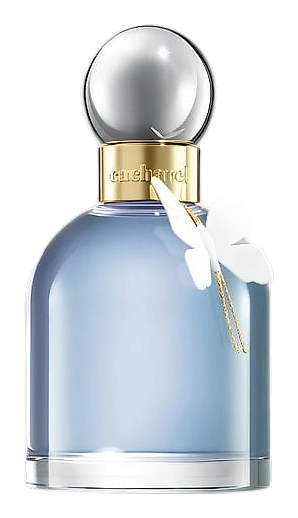
The opening arrives fast, citrus brightness that reads more like lemon zest than orange, with the lavender slipping in almost immediately as a cool, slightly medicinal counterbalance. Ten minutes in, the citrus fades and the heart opens: lavender becomes the loudest voice, but orange blossom and neroli are pulling at its edges. There's a tension here that feels almost green. Twenty minutes after that, the florals begin to quiet and the base starts to build. Vanilla appears first, warm, sweet, almost gourmand, then the benzoin swells underneath, adding a resinous weight that keeps the sweetness from floating away. By the third hour, you're in the drydown. This is where it lives. Vanilla and benzoin, skin-close, intimate, the kind of warmth that someone standing close to you will notice but strangers won't. The butterfly motif on the bottle is accurate: by the end, you've become something softer than you started.
Cultural impact
Ella Ella Flora Azura joins a Cacharel lineage built on the idea that femininity should feel effortless. Where other French houses chase haute couture grandeur, Cacharel celebrates the girl on her scooter, the student finding her footing, the young woman who hasn't figured out everything yet but isn't worried about it. This fragrance fits that philosophy precisely. The butterfly motif on the bottle is more than decoration, it's a statement about lightness and transformation, which is exactly what Cacharel has always understood about young femininity. The lavender-vanilla pairing gives it an aromatic edge that separates it from the brand's sweeter offerings, appealing to someone who wants warmth without sacrificing freshness.