
The Story
Why it exists.
The beginning
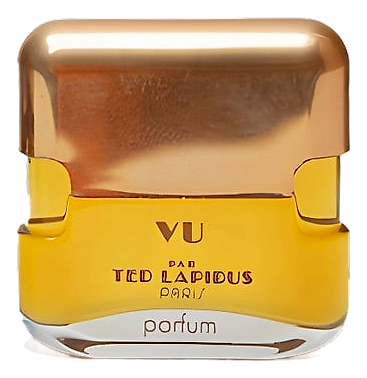
Michel Hy composed Vu par Ted Lapidus in 1975, the year the fashion house entered fragrance creation in partnership with L'Oréal. It was the house's first scent, a statement piece for a label stepping into a new medium. Hy reached for the chypre structure: cool citrus opening, warm animalic base, a contrast that anchors the category. The citrus brings bergamot and neroli, bright and tart, lifting the green notes that follow. As the top recedes, the heart emerges with jasmine, rose, and iris, the floral body dense and powdery at once. Oakmoss and civet ground the base, their animalic depth lending the composition its character.
The composition leans heavily into the warm spicy and animalic registers. A top of green notes and citrus fruits gives way to an unusually dense heart: clove brings heat, jasmine and rose bring body, honey adds sweetness, and iris brings the powdery backbone that holds everything together. This heart, more crowded than most modern fragrances allow, is what gives Vu its character. The base layers oakmoss and patchouli (earthy, mossy, anchoring) with leather and civet (animalic, intimate, raw). Vanilla and sandalwood round the edges without sweetening the result. The result is a chypre that doesn't apologize for being one.
The evolution
On skin, Vu par Ted Lapidus opens bright and clean, citrus fruits lifting the green notes into something crisp and refreshing. The clove arrives as the citrus settles, its characteristic warmth threading through the heart. Jasmine and rose merge into a rich floral body, honey adding subtle sweetness that iris then rounds and powders, the combination preventing any single element from dominating. The drydown is where this fragrance earns its reputation. Oakmoss deepens into something damp and mossy, its green earthiness spreading across the skin. Leather surfaces, warm and intimate. Civet adds its characteristic animalic musk, musky, slightly feral, present without overwhelming. Patchouli grounds everything with its earthy bitterness. The final hours belong to sandalwood and vanilla, softened but never buried.
Cultural impact
Vu par Ted Lapidus occupies a specific corner of fragrance history: the bold chypre tradition, where animalic notes form the backbone rather than the afterthought. The civet and oakmoss are present, not hidden, their contributions integral to the composition rather than buried beneath sweetness. For collectors and enthusiasts who seek what chypre used to be, this fragrance demonstrates the category's potential. The combination of oakmoss depth, leather warmth, and civet intimacy creates something that reads differently than contemporary releases, a reference point for understanding the genre's foundations.