The Story
Why it exists.
The beginning
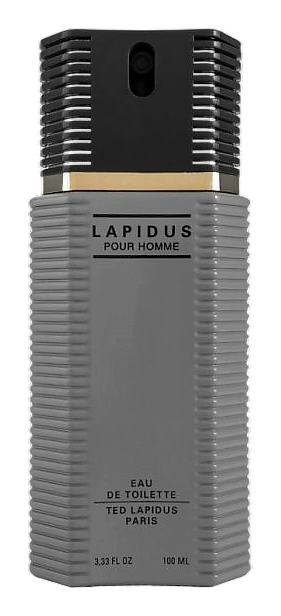
Pour Homme landed in 1987, the work of perfumer Martin Gras. The fragrance arrived after a period of fashion house activity, with the house having shifted its focus into scent making. Ted Lapidus came to fragrance with the same discipline he'd built elsewhere in his career, with structure, intention, and a refusal to do anything small. The composition is built to dress the wearer, not whisper at him, and every choice in the note pyramid reflects that confidence. It's a scent that announces itself rather than asking permission, carrying the kind of weight that turns a simple act of wearing cologne into something more deliberate and considered.
The note pyramid here is dense for a reason. Pour Homme doesn't lean on a single star ingredient. It stacks a generous top, a generous heart, and a generous base, each layer doing a different job. The lavender and pineapple handle the fresh-spicy opening, honey and caraway build the sweet warmth at the center, and the oakmoss-tobacco-amber base carries the depth and weight that gives the fragrance its lasting presence on skin. The interplay between layers is constant, with each tier folding into the next rather than disappearing.
The evolution
The first thirty minutes are a confident mess in the best way. Pineapple and lavender hit sharp and clean, then basil and tarragon drag the opening somewhere herbal and slightly unexpected. There's nothing shy about this top. Juniper adds a crisp, tonic-like freshness before honey starts pulling the heart into focus around the one-hour mark. The middle is where things get interesting. Caraway and orris root bring a powdery, almost soapy warmth that shifts the composition away from pure freshness. Rose and jasmine show up but bow quickly to pine, which keeps the composition from drifting too pretty. By hour three, the base takes over properly. Amber and tonka bean soften everything, lending a rounded sweetness that smooths the rougher edges. Tobacco and oakmoss settle in close, adding the kind of dry, smoky warmth that anchors the whole structure.
Cultural impact
Pour Homme has stayed in rotation because it wears its era without becoming a costume. Its sweeter, honeyed profile sets it apart from other bold masculine compositions, giving it a distinct identity that wearers recognize immediately. Loyalty runs deep with this one. Once someone finds it, they tend to return after years away, often discovering that the fragrance holds up to memory rather than fading against it. That kind of long-term attachment speaks to how well the composition was built, with enough depth to reward repeated wear and enough character to stay interesting across decades of changing tastes in men's fragrance.