Martin Gras
Martin Gras belongs to that rare breed of perfumers who built a career across fashion houses without ever needing to shout about it. Trained in chemistry before turning to perfumery, Gras moved through the great fragrance houses with the quiet confidence of someone who knows exactly what he wants a scent to say. His work spans decades and continents, from European fashion houses to American sportswear giants. Working primarily with one of the major fragrance suppliers, he found himself perfectly positioned to translate the visions of designers like Valentino, Tom Ford, Halston, and Cerruti into bottles. What sets Gras apart is his discretion. In an industry that rewards personality, he let his formulas speak, and those formulas built relationships that lasted decades. The Ralph Lauren Polo line alone kept him busy for years, each flank representing a different facet of American athletic elegance, translated through a Frenchman's nose.
The hits
Notable creations

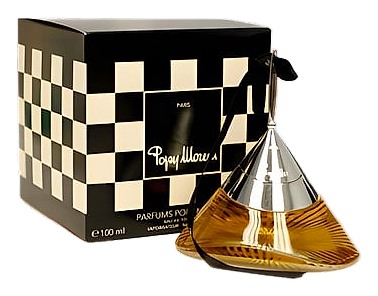
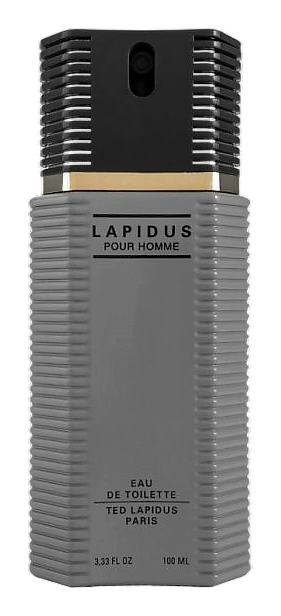
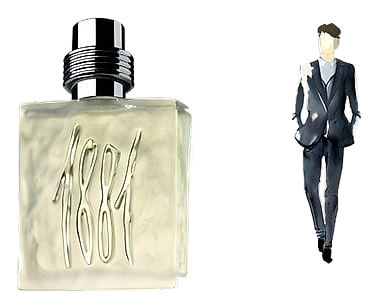
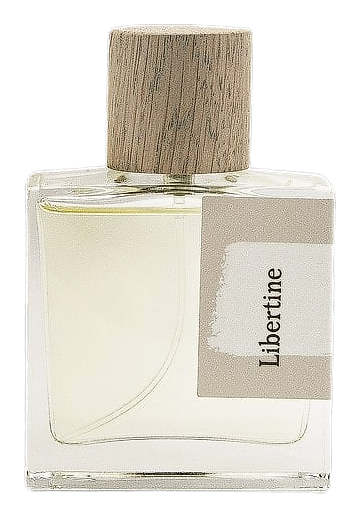


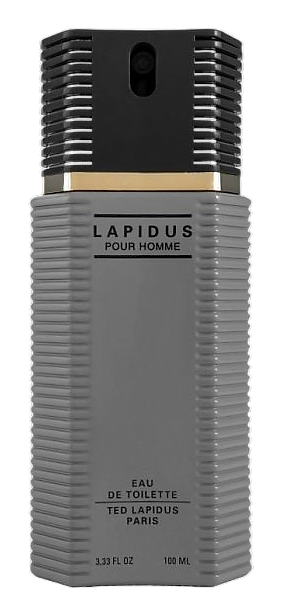
The signature
How Martin composes
Gras is known for clean lines and structured compositions. He favors natural materials but treats them with modern restraint, never overwhelming the wearer with sheer concentration or complexity for its own sake. His work tends toward the legible, the wearable, the quietly confident. Think precise调配 rather than maximalist layering. Aldehydes appear in his vocabulary with intention, not accident. Woods grounds his work without dragging it into heaviness. He has a particular skill for capturing the spirit of a fashion house without becoming a prisoner to its past, finding the thread that connects heritage to something a twenty-five-year-old wants to wear today.
Philosophy
What drives Martin
Gras approaches each brief as a conversation rather than a command. He listens to what the brand wants to say before he decides how to say it in scent. This collaborative instinct, honed over decades, means he rarely pushes his own ego into the room. He has spoken about the importance of restraint, of knowing when a formula is complete rather than continuing to add elements until the structure collapses under its own weight. For Gras, perfumery is architecture. You need strong foundations before you can think about ornamentation. He drives his teams hard on the technical fundamentals while remaining genuinely curious about emotion, about what makes someone reach for the same bottle every morning for twenty years.
The houses