    Brand Profile

    Chevignon began as a French ready‑to‑wear label famous for sturdy vests, denim and leather accessories. In the early 1990s the house extende…More

    France·Est. 1992·Site

    3.7

    Rating

    17
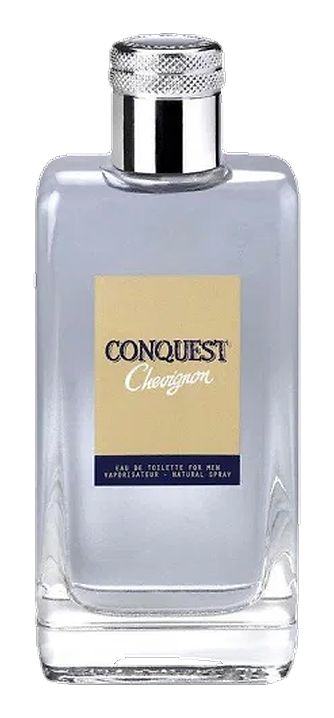
    Conquest by Chevignon
    3.7

    Conquest

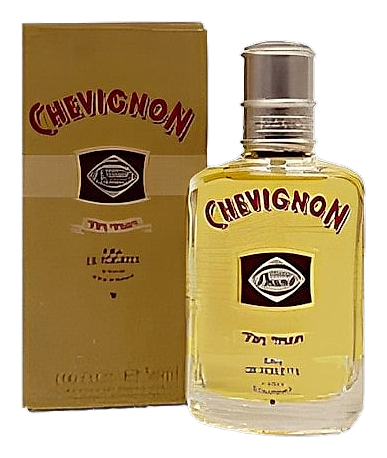
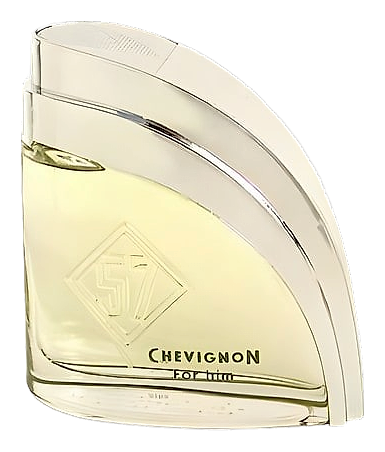
    Chevignon 57 for Him by Chevignon
    Best Seller
    4.2

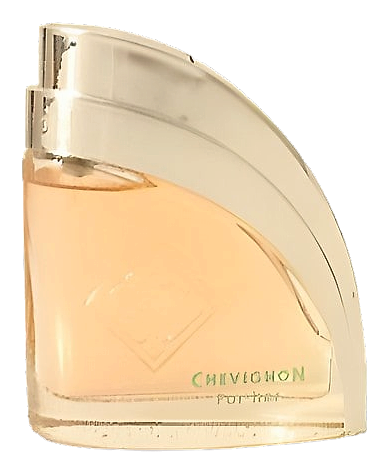
    Chevignon 57 for Him

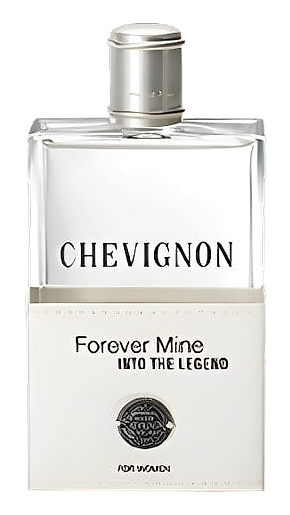
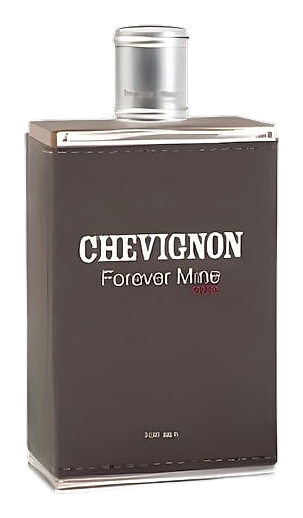
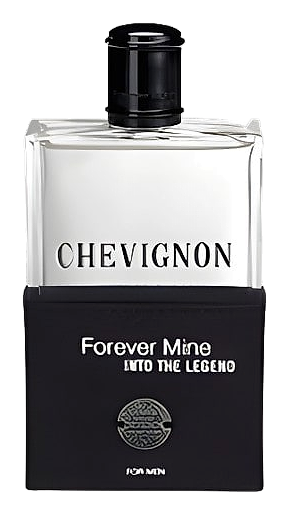
    Forever Mine Into The Legend for Men by Chevignon
    Best Seller
    4.2

    Forever Mine Into The Legend for Men

    Chevignon For Men by Chevignon
    Best Seller
    4.2

    Chevignon For Men

    Chevignon 57 for Her by Chevignon
    4.1

    Chevignon 57 for Her

    Best of Chevignon by Chevignon
    4.1

    Best of Chevignon

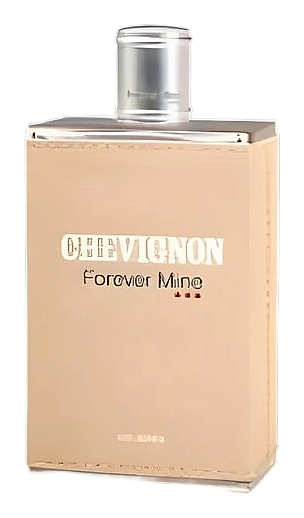
    Forever Mine Into The Legend for Women by Chevignon
    4.0

    Forever Mine Into The Legend for Women

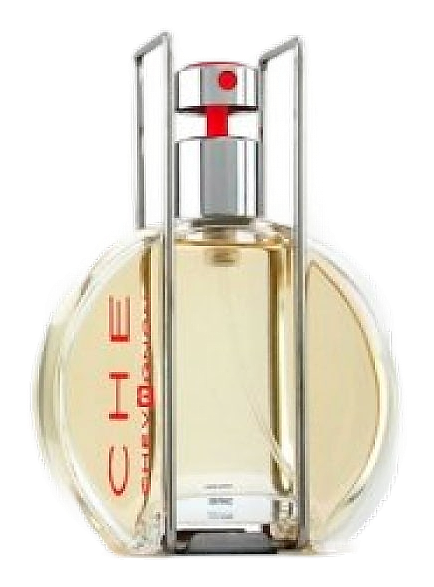
    Che by Chevignon by Chevignon
    4.0

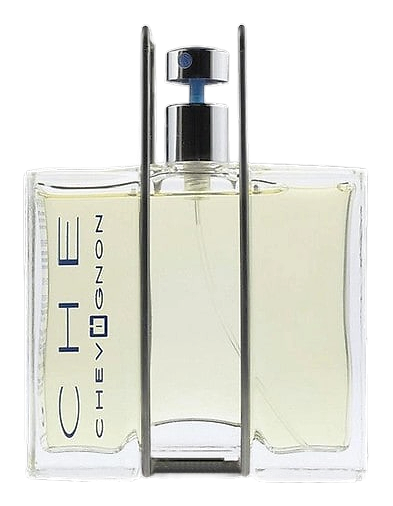
    Che by Chevignon

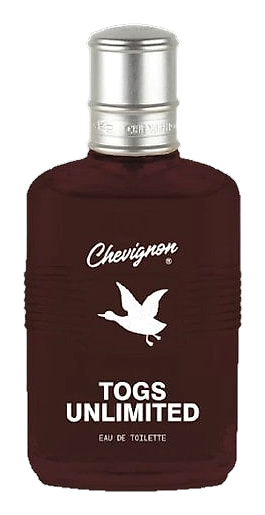
    Togs Unlimited by Chevignon
    3.9

    Togs Unlimited

    Chevignon Heritage for Men by Chevignon
    3.9

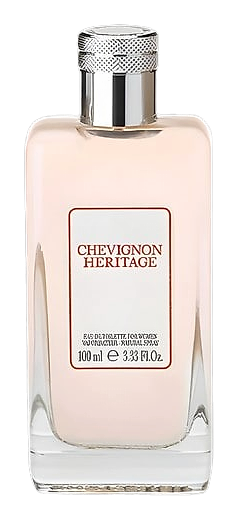
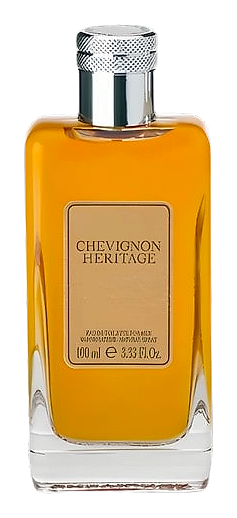
    Chevignon Heritage for Men

    Che pour Elle by Chevignon
    3.8

    Che pour Elle

    Togs Unlimited White by Chevignon
    3.8

    Togs Unlimited White

    1 of 2

    The Heritage

    The Story of Chevignon

    Chevignon began as a French ready‑to‑wear label famous for sturdy vests, denim and leather accessories. In the early 1990s the house extended its design DNA into fragrance, launching its first perfume in 1991. Since then the brand has built a modest catalogue of more than a dozen scents, each echoing the same rugged, street‑wise attitude that defines its clothing. The line includes Chevignon 57 for Him, Chevignon For Men (1992), the Heritage collection (2013) and the Forever Mine Into The Legend duos (2010). Chevignon’s fragrances sit at the crossroads of fashion and scent, offering a straightforward, masculine‑leaning profile that appeals to consumers who value authenticity over flash.

    Heritage

    The commercial entity behind Chevignon traces its roots to Les Établissements Charles Chevignon, a family‑run workshop that emerged in the mid‑20th century in the Paris region. In 1992 the brand was formalised as a ready‑to‑wear line under the direction of Guy Azoulay, who helped translate the label’s street‑wear sensibility into a broader product range. Early collections focused on denim jackets, leather belts and the iconic vest that became a staple of French urban fashion. By 1991 the company introduced its inaugural fragrance, a unisex scent that carried the same raw, leather‑infused character as its apparel. The following year, Chevignon For Men arrived, cementing the brand’s commitment to a parallel perfume line. Throughout the 1990s the house released limited editions such as Best of Chevignon (1995), a curated set that gathered the most popular notes from the early releases. The turn of the millennium saw a renewed focus on narrative‑driven scents; in 2010 the Forever Mine Into The Legend series launched simultaneously for men and women, each version telling a different chapter of a shared story. 2013 marked the debut of Chevignon Heritage for Men, a fragrance that referenced the brand’s own history while incorporating contemporary accords. Subsequent releases—Conquest (2015) and Togs Unlimited (2019)—demonstrated Chevignon’s willingness to experiment with new olfactory directions while staying true to its core aesthetic. Over three decades, Chevignon has maintained a consistent presence in French department stores and specialty boutiques, positioning its perfume line as an extension of its clothing ethos rather than a separate luxury venture. The brand’s evolution reflects a steady, incremental growth model, anchored in the original values of durability, simplicity and a subtle nod to West‑American cultural motifs that have long influenced its design language.

    Craftsmanship

    Chevignon’s perfume production follows the conventional French model of partnering with established fragrance houses for formulation and manufacturing. The brand supplies a creative brief that outlines the desired mood, key accords and target audience, after which the partner perfumer selects raw materials from both natural and synthetic sources. Natural extracts such as cedarwood, sandalwood and leather accord are sourced from suppliers that meet EU REACH standards, ensuring compliance with safety regulations. Synthetic aromachemicals are used to reinforce longevity and to balance the volatility of the natural notes. Once the formula is locked, the blend is transferred to a French laboratory for quality control, where it undergoes stability testing under varying temperature and light conditions. The final concentrate is then diluted with a high‑grade alcohol base, typically 95 % ethanol, before being filtered and bottled. Bottles are produced in a nearby glassworks facility, where the brand specifies a clear, sturdy container with a brushed‑metal cap that mirrors its apparel hardware. Labels are printed on matte paper using a limited colour palette—black, white and occasional metallic foil—to maintain visual consistency across the line. Each batch is signed off by a senior quality manager who checks for scent fidelity, concentration accuracy and packaging integrity before the product leaves the factory. While Chevignon does not disclose the exact perfumers behind its scents, the consistent performance and modest price point suggest a reliance on proven, cost‑effective production methods rather than experimental niche techniques.

    Design Language

    Visually, Chevignon translates its clothing DNA into a straightforward, industrial‑inspired bottle language. The glass vessels are typically clear or lightly tinted, allowing the perfume’s colour to show through, and are capped with a brushed aluminium or gunmetal finish that echoes the metal hardware found on its jackets and belts. The brand name appears in a bold, sans‑serif typeface that mimics the lettering used on its denim tags, and the label layout favours a clean hierarchy: a large brand logo at the top, the fragrance name centred below, and a concise list of notes in smaller print at the bottom. Some editions, such as the 57 series, incorporate a subtle numeric motif on the cap, referencing the year that inspired the scent’s concept. Packaging boxes are made from sturdy cardboard with a matte finish, often featuring a single colour band that matches the bottle’s accent. The overall visual strategy avoids ornate embellishments, favouring a utilitarian elegance that aligns with the brand’s reputation for durable, everyday wear. In retail displays, Chevignon fragrances are grouped with the clothing line, reinforcing the notion that scent is part of the broader style ecosystem rather than a standalone luxury item.

    Philosophy

    Chevignon approaches scent as an extension of clothing, treating a perfume like a wearable accessory that completes an outfit. The brand’s creative brief stresses practicality and honesty; each fragrance is meant to be identifiable at a glance, much like a well‑cut jacket. Rather than chasing fleeting trends, Chevignon draws on a limited palette of ingredients that echo its material heritage—leather, tobacco, cedar and subtle spices. The house works with external perfumers, providing them with a brief that highlights the brand’s urban‑industrial roots and its affinity for the open road. This collaborative model allows the scent creators to focus on balance and longevity, while Chevignon retains final approval to ensure the olfactory result aligns with its visual and tactile identity. The brand also emphasizes accessibility; fragrances are priced for everyday purchase, reinforcing the idea that scent should be as routine as slipping on a pair of jeans. Sustainability is addressed through selective sourcing of natural extracts and a preference for recyclable packaging, though the brand does not claim to be a leader in green perfumery. Overall, Chevignon’s philosophy is grounded in the belief that fragrance, like clothing, should serve a functional purpose while subtly expressing personal style.

    Key Milestones

    1991

    Launch of Chevignon's first perfume, a unisex scent that introduced the brand's leather‑infused olfactory signature.

    1992

    Release of Chevignon For Men, solidifying the fragrance line as a permanent extension of the fashion house.

    1995

    Best of Chevignon compilation issued, gathering the most popular notes from the early releases into a single collection.

    2010

    Forever Mine Into The Legend duos debut for both men and women, each telling a complementary narrative.

    2013

    Chevignon Heritage for Men arrives, referencing the brand's own history while adding contemporary accords.

    2015

    Conquest is introduced, marking a shift toward bolder, more adventurous scent profiles.

    At a Glance

    Brand profile snapshot

    Origin

    France

    Founded

    1992

    Heritage

    34

    Years active

    Collection

    1

    Fragrances released

    Avg Rating

    3.7

    Community sentiment

    Release Rhythm

    2019
    2
    2015
    1
    2013
    2
    2010
    2
    2009
    2
    2005
    1
    2004
    1
    1995
    1
    chevignon.com

    Did You Know?

    Interesting Facts

    Distinctive details and defining moments that shape the house personality.

    01

    Chevignon began as a denim and leather specialist before entering the perfume market, a rare reverse of the typical fashion‑to‑fragrance trajectory.

    02

    The 57 series name is believed to reference the year 1957, a formative period for the brand's founder, although the exact connection is not officially confirmed.

    03

    Chevignon's fragrance bottles share the same aluminium cap design across multiple releases, reinforcing brand cohesion while reducing manufacturing complexity.

    04

    Despite a modest marketing budget, Chevignon fragrances have maintained a presence in French department stores for over three decades, relying on the loyalty of the clothing customer base.

    The Artisans

    The Perfumers