


















    Brand Profile

    Cerruti bridges Italian tailoring heritage with Parisian sophistication. The house translates Nino Cerruti's revolutionary approach to mensw…More

    France·Est. 1967

    2

    Fragrances

    3.9

    Rating

    Just Landed

    New Arrivals

    The latest additions to the Cerruti collection.

    40
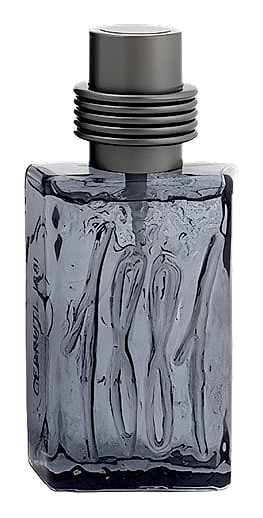
    1881 Men by Cerruti – Eau de Toilette
    4.0

    1881 Men

    Eau de Toilette

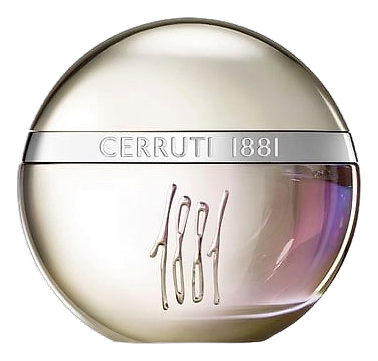
    1881 by Cerruti – Eau de Parfum
    3.9

    1881

    Eau de Parfum

    Nino Cerruti Pour Homme by Cerruti
    Best Seller
    4.5

    Nino Cerruti Pour Homme

    1881 Cerruti Eau d'Ete 2004 by Cerruti
    Best Seller
    4.4

    1881 Cerruti Eau d'Ete 2004

    Nino Cerruti Pour Femme by Cerruti
    Best Seller
    4.4

    Nino Cerruti Pour Femme

    CerrutiSi by Cerruti
    4.2

    CerrutiSi

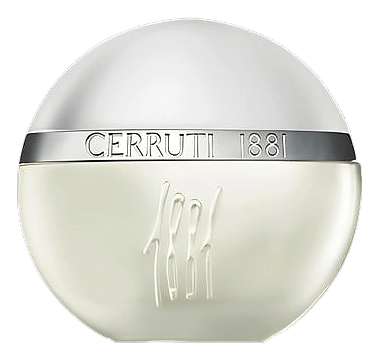
    Cerruti 1881 Eau d'Ete by Cerruti
    4.1

    Cerruti 1881 Eau d'Ete

    Cerruti pour Homme Couture Edition by Cerruti
    4.1

    Cerruti pour Homme Couture Edition

    Cerruti 1881 Summer Fragrance pour Homme by Cerruti
    4.1

    Cerruti 1881 Summer Fragrance pour Homme

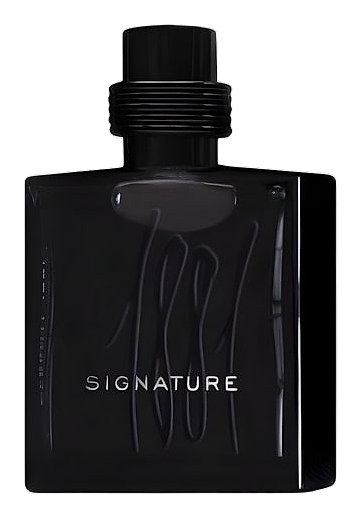
    1881 Signature by Cerruti
    4.1

    1881 Signature

    1881 Riviera by Cerruti
    4.1

    1881 Riviera

    1881 Bella Notte Man by Cerruti
    4.1

    1881 Bella Notte Man

    1 of 4

    The Heritage

    The Story of Cerruti

    Cerruti bridges Italian tailoring heritage with Parisian sophistication. The house translates Nino Cerruti's revolutionary approach to menswear—relaxed confidence, refined materials, architectural precision—into a fragrance collection spanning four decades. Each scent embodies the same philosophy that made the fashion house legendary: understated elegance that speaks louder than excess. The iconic 1881 fragrance line remains a touchstone for those who appreciate subtlety over spectacle.

    Heritage

    Nino Cerruti founded the fashion house in Paris in 1967, but the family's textile legacy stretches back to 1881, when the first Cerruti workshop opened in Biella, Italy. This deep-rooted expertise in fabrics became the foundation for Nino's approach to fashion design. His breakthrough came in 1976 when he became the first designer to present a runway show in New York, introducing the concept of relaxed, deconstructed elegance to menswear. This philosophy transformed how men approached dressing, emphasizing comfort without sacrificing sophistication. The house expanded into fragrances with its first scent in 1978, applying the same attention to proportion, balance, and quality materials that defined the clothing. The 1881 fragrance, named for the year of the original textile workshop, became the brand's signature. Over the following decades, Cerruti built a fragrance portfolio that echoed its fashion identity: confident, refined, never ostentatious. The house changed ownership and licensing arrangements over the years, with Designer Parfums acquiring fragrance rights, yet the collections maintained their connection to the original aesthetic vision that Nino established from his Paris atelier.

    Craftsmanship

    Cerruti applies the same principles to perfumery that guides its tailoring: careful construction, quality materials, and attention to how individual elements work together. The fragrance creation process treats each note as a designer would treat a garment component, considering how it contributes to the overall silhouette and feel. Perfumers working with the house balance classic ingredients with contemporary sensibilities, creating compositions that feel grounded yet current. The sourcing of materials reflects the brand's heritage in fine textiles, with an emphasis on raw materials that offer depth and refinement rather than novelty. Blending techniques emphasize clarity and the natural progression of notes over time, much like how quality tailoring considers how a garment moves and ages. The house approaches each fragrance as a complete composition, avoiding the temptation to overload with ingredients that might create initial impact but compromise harmony. This measured approach results in fragrances that reveal themselves gradually and maintain their character throughout wear.

    Design Language

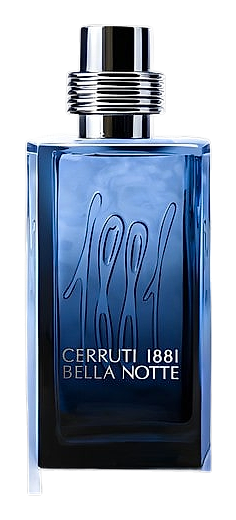
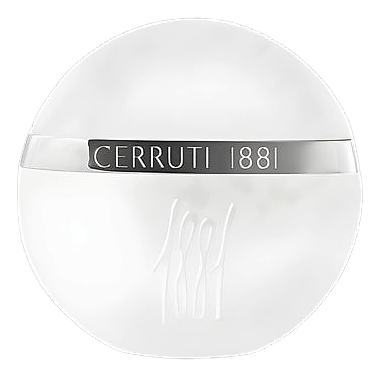
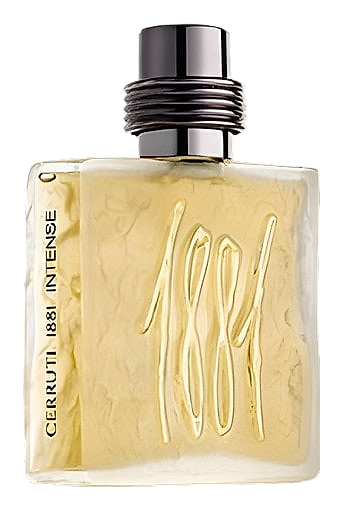
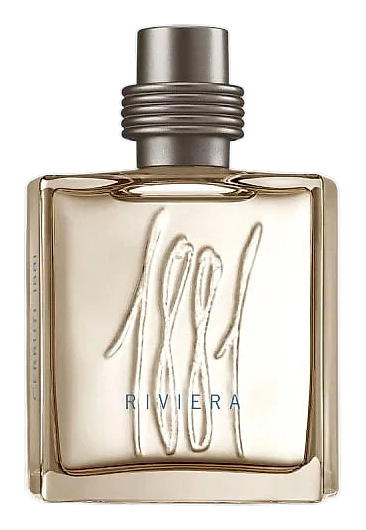
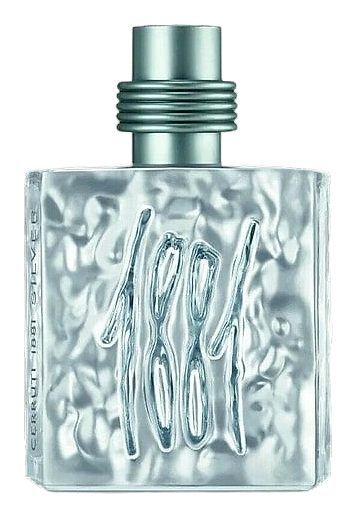
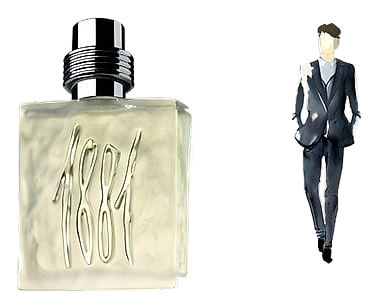
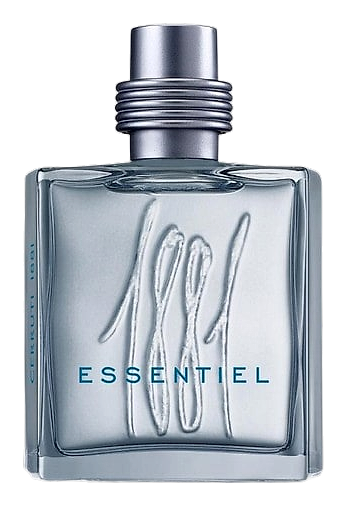
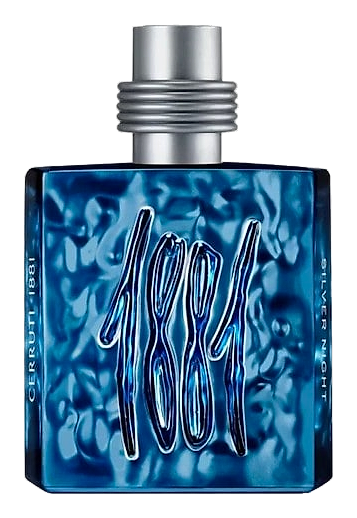
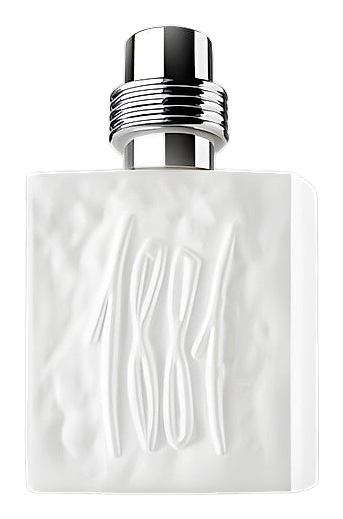
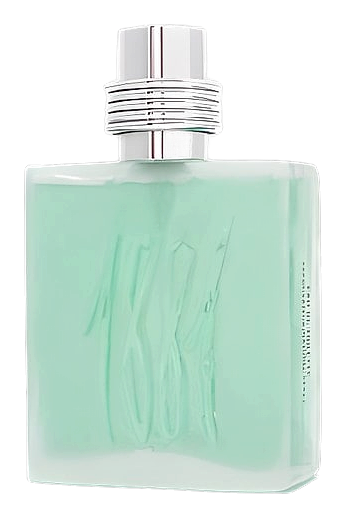
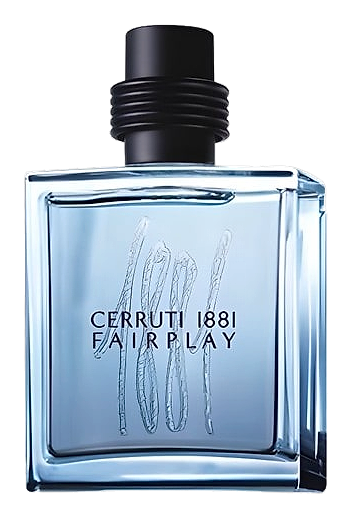
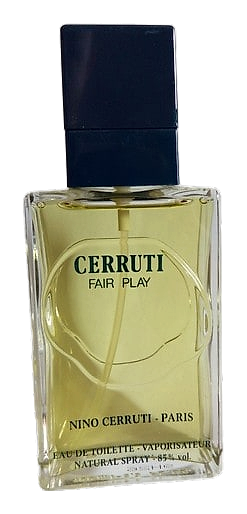
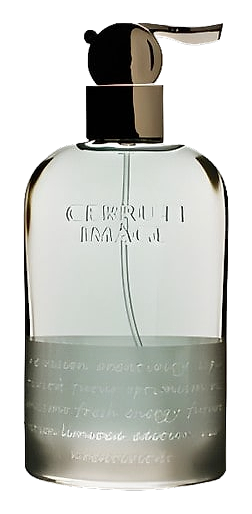
    The visual world of Cerruti fragrance aligns directly with the fashion house's minimalist aesthetic. Bottles feature architectural forms with clean geometry, communicating sophistication through proportion rather than ornamentation. The design language draws from the brand's fashion identity, where tailoring precision meets contemporary restraint. Materials and finishes receive careful consideration, with surfaces that suggest quality without relying on embellishment. Typography maintains a refined quality, balancing elegance with legibility in the brand's visual communications. The monochromatic color palette of whites, grays, and blacks carries through packaging, reinforcing the house's commitment to timelessness over trend-driven presentation. Each fragrance maintains visual consistency with the broader brand while allowing subtle differentiation that signals its particular character within the collection. The overall effect presents luxury through reduction, letting form and proportion carry the visual message that less becomes more when executed with precision.

    Philosophy

    Cerruti approaches fragrance the way it approaches fashion: through the lens of confident restraint. Where other houses chase trends or push boundaries through extremity, Cerruti creates scents that communicate through refinement and precision. The brand rejects the notion that luxury means abundance. Instead, it espouses a philosophy where quality speaks through its own voice, and the wearer's personality takes center stage. Nino Cerruti's vision for his fashion house centered on helping men feel naturally authoritative without appearing calculated. The fragrance collections extend this same principle. Each release demonstrates an understanding that sophistication is not about complexity for its own sake, but about the right elements in the right proportions. The house has maintained this approach even as the broader fragrance industry shifted toward bolder, more projection-focused compositions. Cerruti remains relevant because its philosophy resonates with those who equate taste with discretion.

    Key Milestones

    1881

    First Cerruti family textile workshop opens in Biella, Italy, establishing the heritage that would inspire the brand's iconic fragrance name

    1967

    Nino Cerruti founds his fashion house in Paris, introducing a revolutionary approach to menswear built on relaxed sophistication and deconstructed elegance

    1978

    Cerruti launches its first fragrance, extending the house's design philosophy into the world of perfumery

    1990

    1881 Men releases, becoming one of the most recognized expressions of the brand's aromatic identity

    2003

    CerrutiSi launches, marking a contemporary chapter in the fragrance portfolio with a distinctly modern sensibility

    At a Glance

    Brand profile snapshot

    Origin

    France

    Founded

    1967

    Heritage

    59

    Years active

    Collection

    2

    Fragrances released

    Avg Rating

    3.9

    Community sentiment

    Release Rhythm

    2026
    1
    2024
    1
    2023
    1
    2022
    1
    2020
    1
    2019
    1
    2018
    1
    2017
    1

    Did You Know?

    Interesting Facts

    Distinctive details and defining moments that shape the house personality.

    01

    The 1881 fragrance name directly references the year Nino Cerruti's family established their first textile workshop in Biella

    02

    Nino Cerruti earned international recognition as one of the best-dressed men in the world, lending personal authenticity to the brand's style positioning

    03

    Cerruti became the first fashion designer to present a runway show in New York in 1976, a milestone that reflected the brand's pioneering spirit

    04

    The house applies its tailoring principles of proportion and balance directly to fragrance composition

    05

    Italian heritage and Parisian headquarters create a distinctive cultural duality that influences both the fashion and fragrance aesthetic