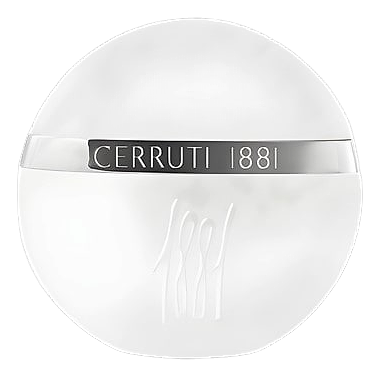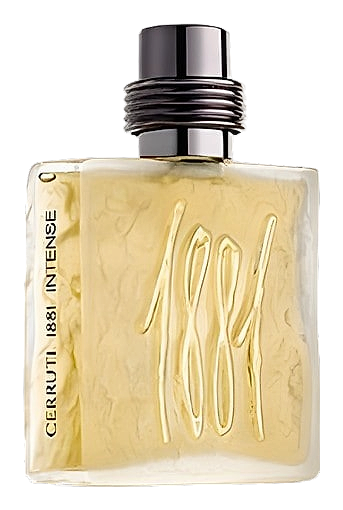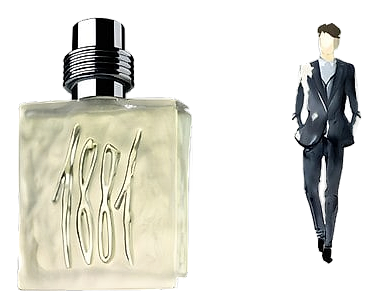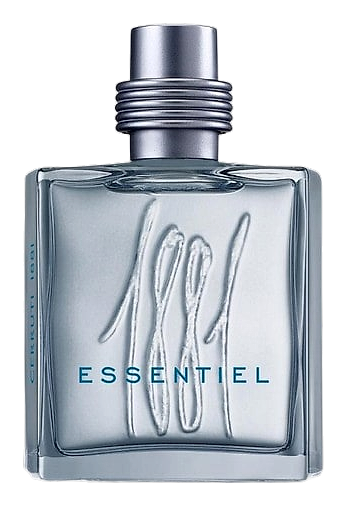


The Story
Why it exists.
The beginning
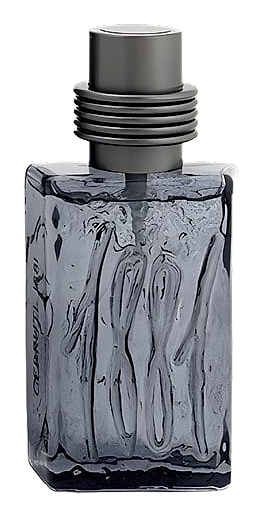
Cerruti translated Nino Cerruti's vision of menswear confidence into scent. The 1881 line became the house's signature. Perfumer Ursula Wandel was tasked with creating a fragrance that embodied the same understated elegance, a woody aromatic built for warmth. The composition carries the house's philosophy through every layer: restraint isn't the absence of confidence. It's the point of it. The fragrance opens with crisp citrus and spice, the cedar providing a clean, assured foundation. As it develops, the woody and aromatic elements intertwine, creating a sensation of quiet authority. The blend breathes easily on the skin, with a natural quality that feels neither heavy nor overwhelming. There is a meditative quality to how it unfolds, each note arriving with purpose but without urgency.
What makes this composition work is the balance Wandel struck between freshness and warmth. Bergamot and cardamom open bright and clean, a citrus-spice combination that reads as immediate without being sharp. The cedar arrives quickly, giving the opening architectural weight, a reminder this is still a Cerruti fragrance, even when it's at its airiest. The heart is where things get interesting. Cypress brings a green, almost Mediterranean quality, while jasmine adds unexpected florality. It's a soft choice for a masculine scent from 2004, when the market leaned heavier. The nutmeg bridges the gap, keeping the florals grounded in warmth.
The evolution
The opening hits bright. Citrus, spice, cedar, clean and confident. The composition then shifts, revealing a green heart where cypress and jasmine work together with a natural quality. Nutmeg keeps it warm, stops the florals from getting soft. As the fragrance continues to develop, the drydown arrives with vetiver taking over while cedar lingers underneath, and musk smooths everything into a powdery warmth that stays close to the skin. The evolution isn't dramatic, it doesn't transform. It softens. Fades. Becomes intimate rather than present. The cedar provides a steady presence throughout, anchoring the more fleeting top notes and creating a cohesive narrative that moves from freshness to warmth. There is a graceful quality to how the scent evolves, each phase revealing something the previous one only hinted at.
Cultural impact
This fragrance found its audience among men who wanted the Cerruti aesthetic without the weight. The jasmine heart was an unusual choice, softening the composition in a way that made it distinctive rather than safe. It occupies a space where masculine fragrance often doesn't venture, finding its natural companions among those who appreciate nuance over declaration. The tension between presence and restraint is what keeps it interesting. There is something genuinely compelling about a scent that doesn't announce itself but instead rewards those who encounter it.
The House
CerrutiCerruti bridges Italian tailoring heritage with Parisian sophistication. The house translates Nino Cerruti's revolutionary approach to menswear—relaxed confidence, refined materials, architectural precision—into a fragrance collection spanning four decades. Each scent embodies the same philosophy that made the fashion house legendary: understated elegance that speaks louder than excess. The iconic 1881 fragrance line remains a touchstone for those who appreciate subtlety over spectacle.
The Creator
Ursula WandelUria’s signature technique weaves a clear top accord with a sustained heart and a lingering base, often beginning with bright citrus or green notes that dissolve into jasmine, rose, or violet. She favors amber, patchouli, and soft woods to anchor the dry‑down, adding subtle mi…