
The Story
Why it exists.
The beginning
Image Woman arrived in 2000, a fragrance built around the idea of a woman who inhabits the city on her own terms. The name speaks to identity, to how a woman carries herself through urban spaces. Cerruti understood that restraint reads as authority. Nothing unnecessary. Everything intentional. The composition opens with citrus, cools with mint, and grounds with leather. Each element serves a purpose, contributing to a scent that feels considered from first spray to final moments on the skin.
What makes Image Woman interesting is the tension baked into its structure. Water mint against mineral carbon. Birch bark against leather. It should be contradictory, watery freshness paired with bark and hide, but instead it reads as unified. Modern. The freshness never feels fleeting because the base anchors it with something almost tactile. Cedar and amber create warmth without sweetness, which is rarer than it sounds. The fragrance holds together, its elements working in concert rather than competing for attention.
The evolution
The opening announces itself immediately, grapefruit, green notes, a hint of pimento. The citrus doesn't linger. Within minutes, water mint takes over, clear and confident. The mint hangs for a while before the leather finally arrives. Cedar and amber layer underneath, creating warmth and depth. By the end, it's intimate. Personal. The kind of scent that someone standing beside you might notice before you do. There's a quiet assertion to the drydown that rewards patience.
Cultural impact
Image Woman arrived in 2000, a fragrance that offered something different from the sweet florals that dominated women's scents at the time. Its citrus-aromatic profile with leather and mint gave it character, an androgynous edge that appealed to women who wanted something more than pleasant. Not a groundbreaking cultural moment, but a scent with a distinct point of view for those seeking something outside the mainstream.
The House
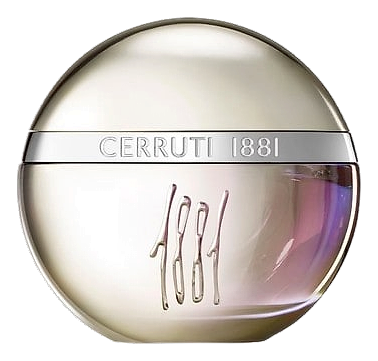
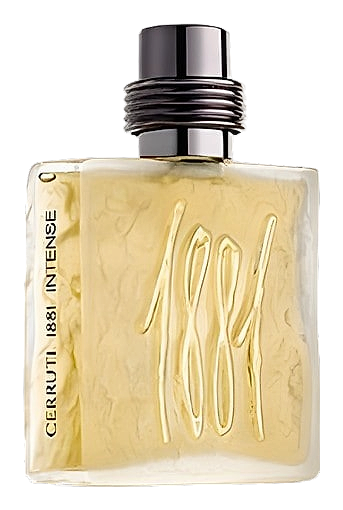
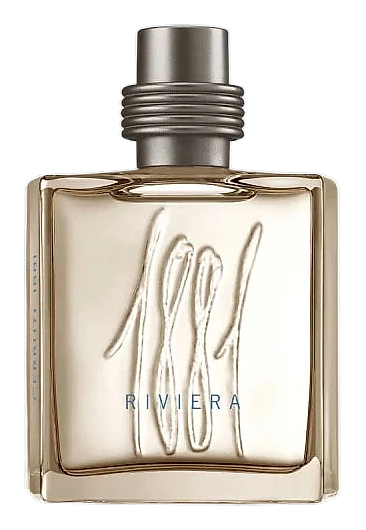
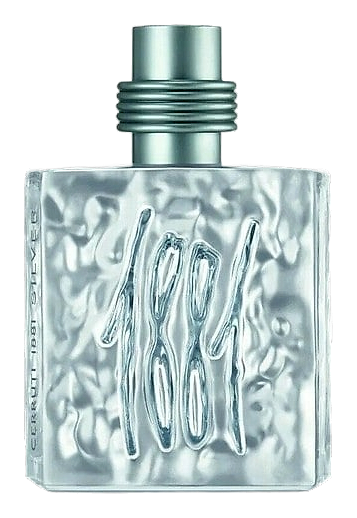
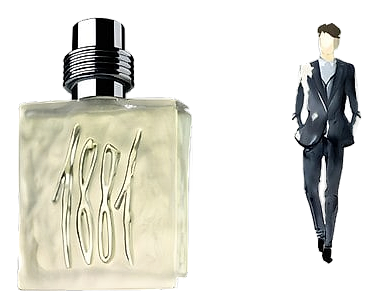
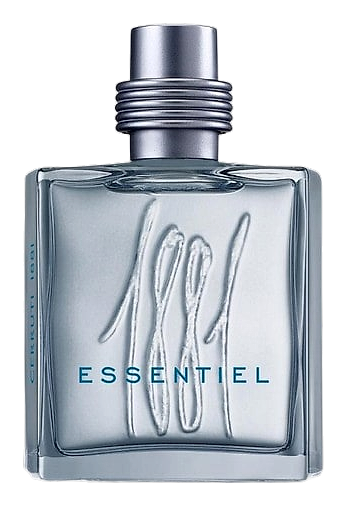
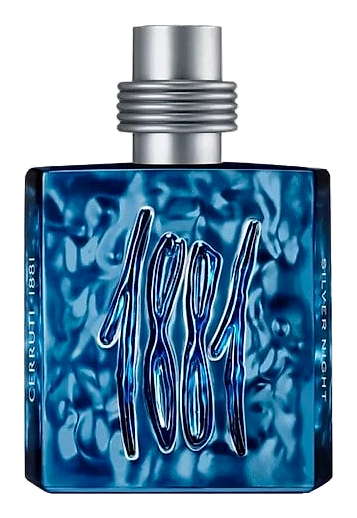
CerrutiCerruti bridges Italian tailoring heritage with Parisian sophistication. The house translates Nino Cerruti's revolutionary approach to menswear—relaxed confidence, refined materials, architectural precision—into a fragrance collection spanning four decades. Each scent embodies the same philosophy that made the fashion house legendary: understated elegance that speaks louder than excess. The iconic 1881 fragrance line remains a touchstone for those who appreciate subtlety over spectacle.
The Creator
Harry FrémontFrémont's style resists easy categorization. He works fluently across woody, floral, amber, and leather territories, with an especially strong command of vetiver and musks that has become something of a signature.