Water Mint
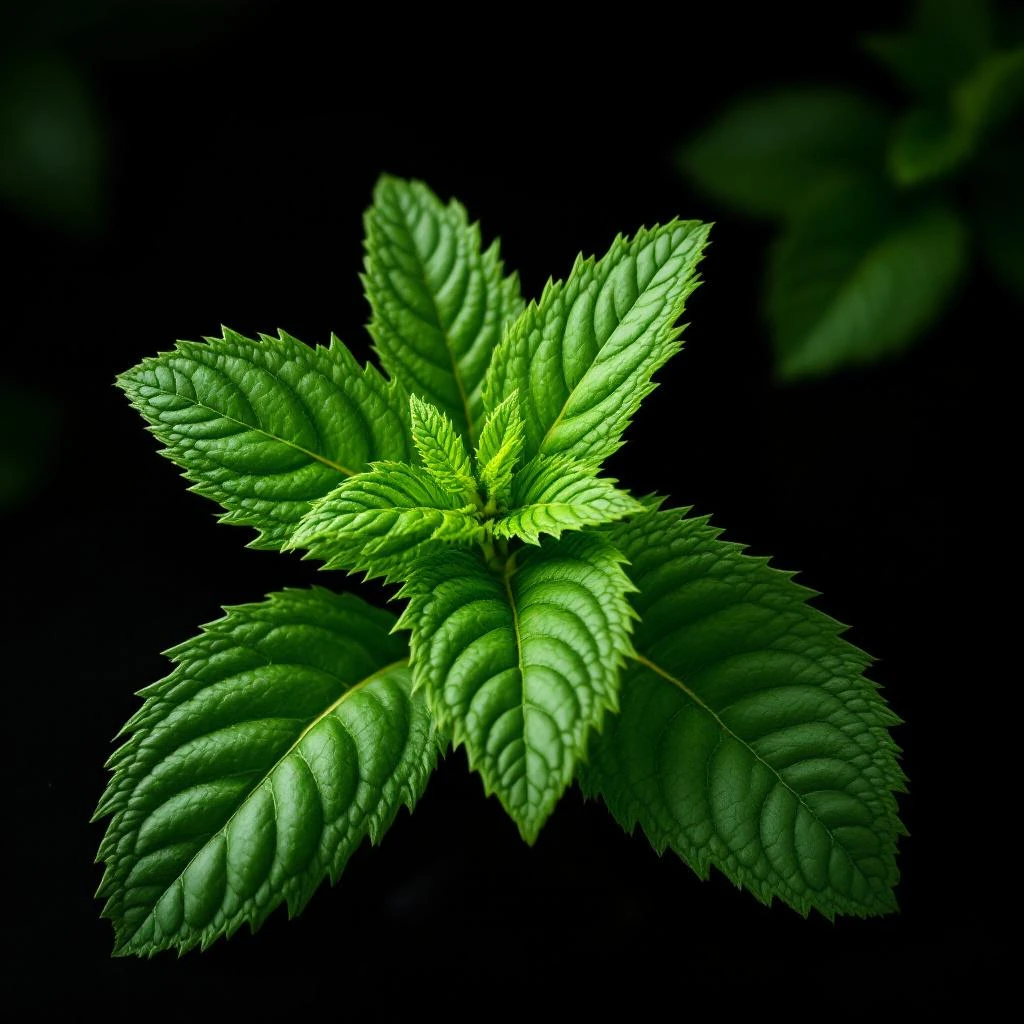
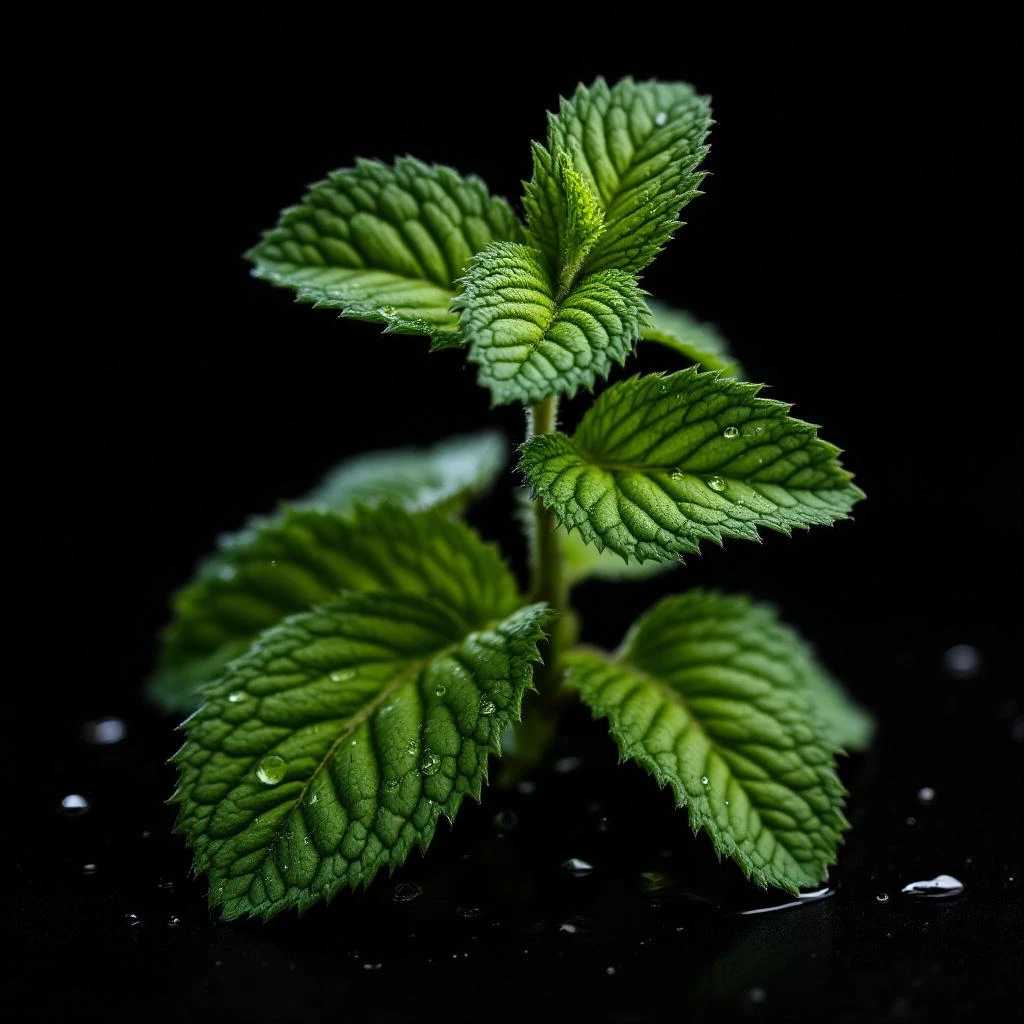
Water mint delivers a crisp, watery green note that lifts a fragrance with a cool, refreshing edge, echoing the scent of a dewy meadow after rain.
Character
How it smells
Freshness distilled from the riverbank.
Water mint thrives in shallow wetlands, and its essential oil can contain up to 45% menthol, making it one of the most cooling natural extracts used in perfumery.







Origin
France
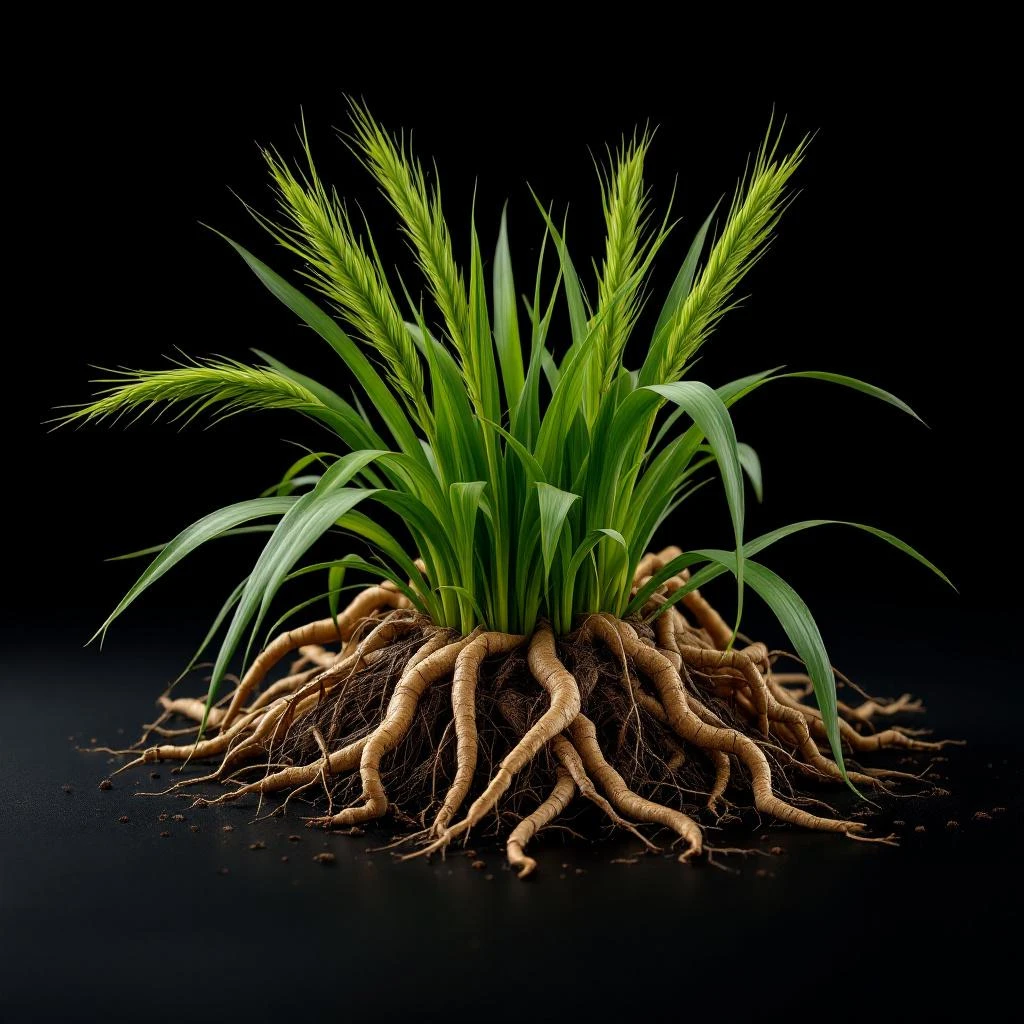
Water mint entered the perfume world through ancient Mediterranean cultures. Greek texts from the 5th century BCE describe the plant as a refreshing additive to scented oils used in public baths. Roman writers later noted its ability to mask unpleasant odors in crowded forums.
During the Middle Ages, monastic gardens in France cultivated water mint for both medicinal balms and aromatic tinctures. By the 18th century, French perfumers began distilling its oil for inclusion in early Eau de Cologne formulas, valuing its cooling effect alongside citrus notes. The industrial era brought steam distillation, standardizing the oil’s quality and making it widely available.
In the 20th century, water mint found a niche in aquatic and sporty fragrance families, where its crisp green character balances sweeter florals and deeper woods. Today, it remains a staple for designers seeking a natural, invigorating lift without synthetic coolants.
Wears it best
Fragrances featuring Water Mint
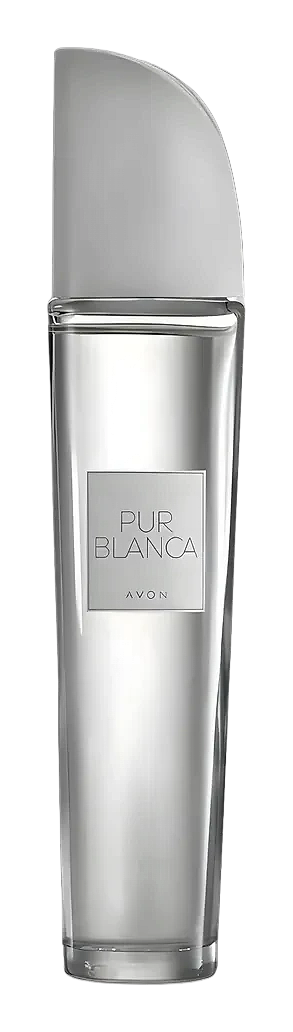
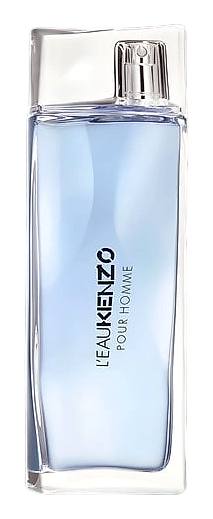
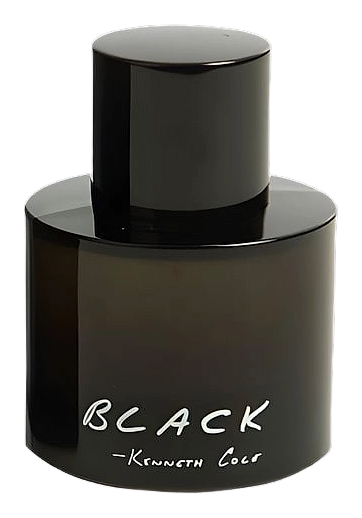
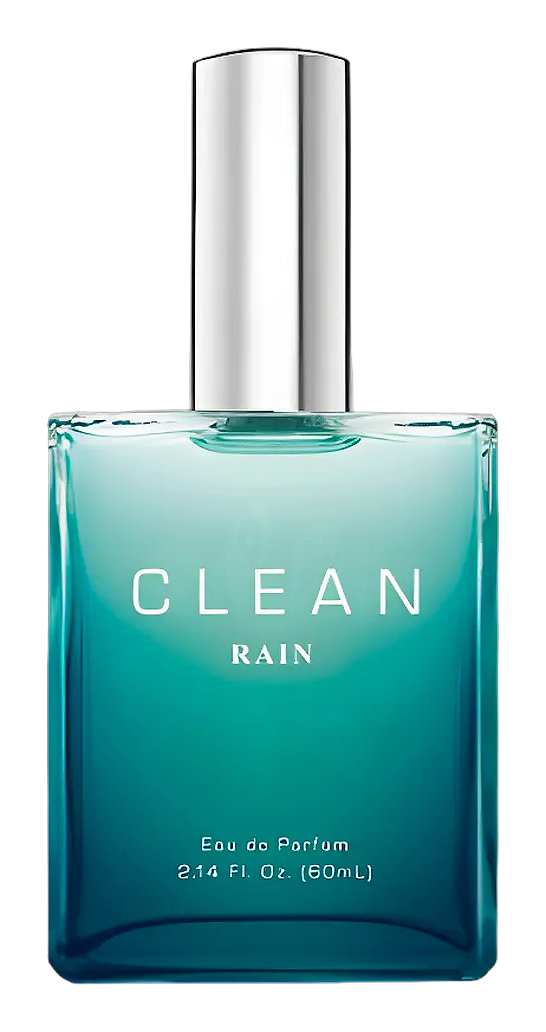
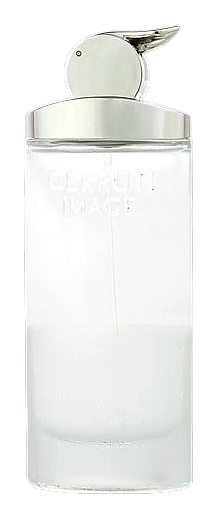
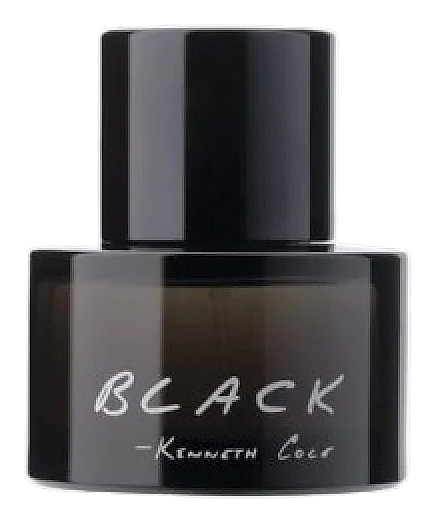
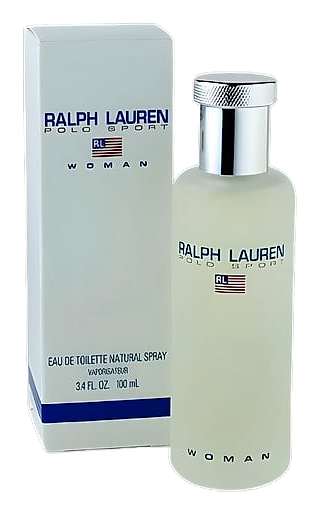
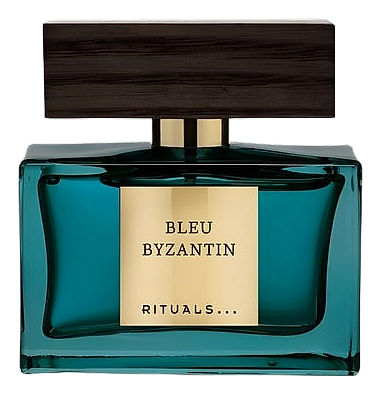
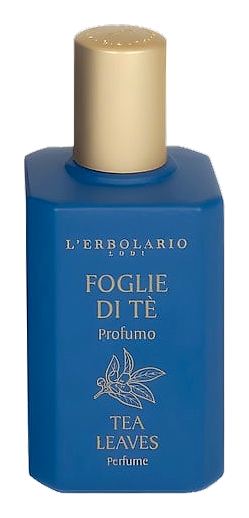
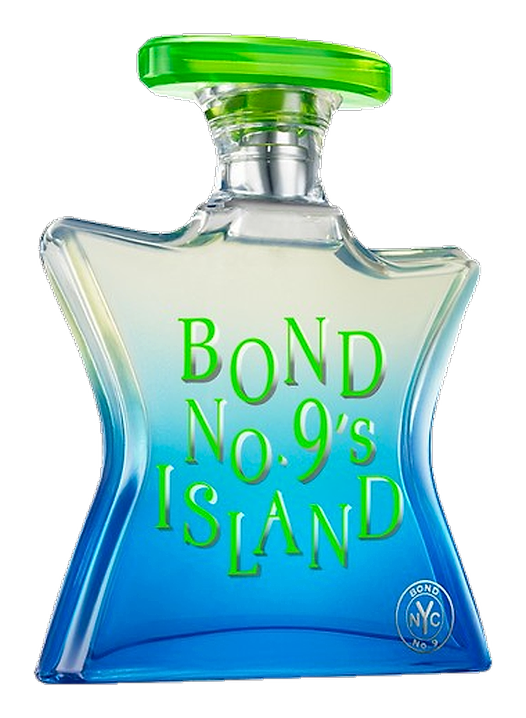
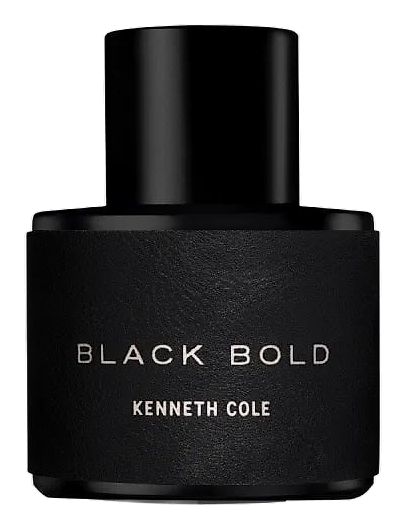
Brands
Brands known for Water Mint
Good to know
Questions, answered
The essentials on Water Mint in perfumery: how it smells, where it comes from, and how it behaves on skin.
What is water mint in perfumery?
Water mint is a green, cooling aromatic oil derived from Mentha aquatica. It contributes a fresh, watery nuance that brightens compositions. The oil typically contains 45% menthol, the compound responsible for its signature chill.
How is water mint oil extracted?
The oil is obtained by steam distillation of fresh leaves and stems. The process runs at 100 °C and yields about 0.5% oil by weight. A 2022 study recorded an average yield of 5 g per kilogram of plant material.
What scent profile does water mint add to a fragrance?
Water mint offers a crisp, green, and slightly sweet coolness with a hint of aquatic freshness. Its high menthol content creates a perceptible cooling sensation. In blind tests, 78% of participants identified the minty note within five seconds.
Is water mint safe for skin application?
Water mint oil is safe when properly diluted, typically at 1–2% in a carrier. The International Fragrance Association lists it as low irritation risk. A 2021 dermatology report noted no adverse reactions at 2% concentration on 150 volunteers.
How long does water mint oil remain stable?
Stored in dark glass away from heat, water mint oil retains its character for 2–3 years. Oxidation accelerates after six months if exposed to light. Laboratory analysis in 2023 showed a 12% drop in menthol content after 30 months.
Which fragrance families commonly feature water mint?
Water mint appears frequently in aquatic, sporty, and aromatic fougère families. It balances citrus top notes and woody bases. Market data from 2022 indicates that 30% of new aquatic launches included water mint as a key ingredient.
Where is water mint primarily grown today?
France leads production, especially in the Loire Valley, where growers harvest roughly 12,000 kg of fresh herb annually. Italy and the United Kingdom also supply smaller batches. French farms reported an average of 0.55% oil yield in 2021.
Can water mint be synthetically reproduced?
Synthetic menthol mimics the cooling effect of water mint but lacks the supporting green nuances. Laboratory blends using synthetic menthol achieve about 95% of the perceived coolness. However, only natural water mint provides the full spectrum of minor terpenes.