
The Story
Why it exists.
The beginning
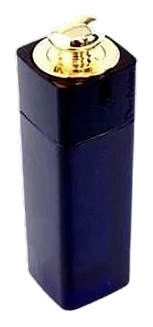
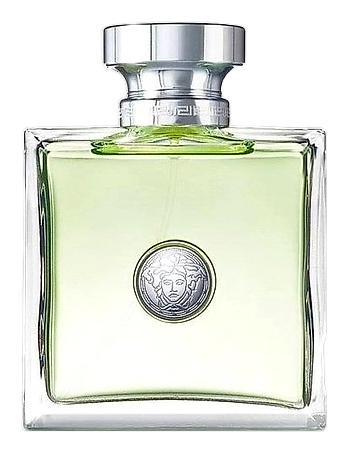
Eau d'Été, summer water. The name alone carries the season's lightness, its refusal to try too hard. Released as a limited edition in 2004, this fragrance exists because even the most restrained houses need to breathe sometimes. The composition draws you in with a bright citrus opening that feels like morning light through sheer curtains. There is a clear intention here, a precision that honors the house's approach while opening itself to warmth. Bergamot and mandarin orange arrive first, they don't compete, they introduce. The citrus is clean but never aggressive, never trying to announce itself. As the fragrance develops, the heart notes emerge with quiet confidence, florals that suggest rather than shout, a softness that acknowledges the season without becoming a caricature of it.
The olive blossom is the tell. Nestled between citrus and vanilla, two of summer's most obvious choices, it adds a green, almost bitter thread that keeps the composition from floating away. Rose and jasmine could have gone sweet, but the nutmeg and cypress ground them. The real craft is in the transparency: every layer present, none competing. Vetiver and sandalwood form the base not to add weight but to ensure the fragrance wears close, intimate, the kind of warmth that requires proximity to notice. It's summer complexity without the chaos.
The evolution
The opening arrives confident, bergamot and lime cutting bright without sharpness. Mandarin orange rounds it, gives it somewhere to land. Around 20 minutes in, the floral heart softens the edges. Not a takeover, more a conversation. Rose and jasmine don't overpower; they cushion. The olive blossom becomes apparent around the 45-minute mark, that green, slightly bitter note threading through the sweetness, unexpected and welcome. By hour two, the citrus fades to memory and the warm base begins its slow reveal. Vanilla and musk arrive first, then vetiver and sandalwood. The drydown is skin-warm, intimate. The scent offers moderate longevity, settling close to the skin as it develops. The fragrance never disappears, it becomes part of you.
Cultural impact
A 2004 limited edition summer fragrance, 1881 Eau d'Été arrived with a different sensibility. The composition prioritized warmth and complexity over the aquatic notes dominating that period. Rather than following the prevailing direction, it offered a path less traveled. The fragrance spoke in softer tones, inviting those who encountered it to lean in rather than step back. Its approach felt intentional, a deliberate choice to explore what summer could smell like beyond the expected.