Olive Blossom
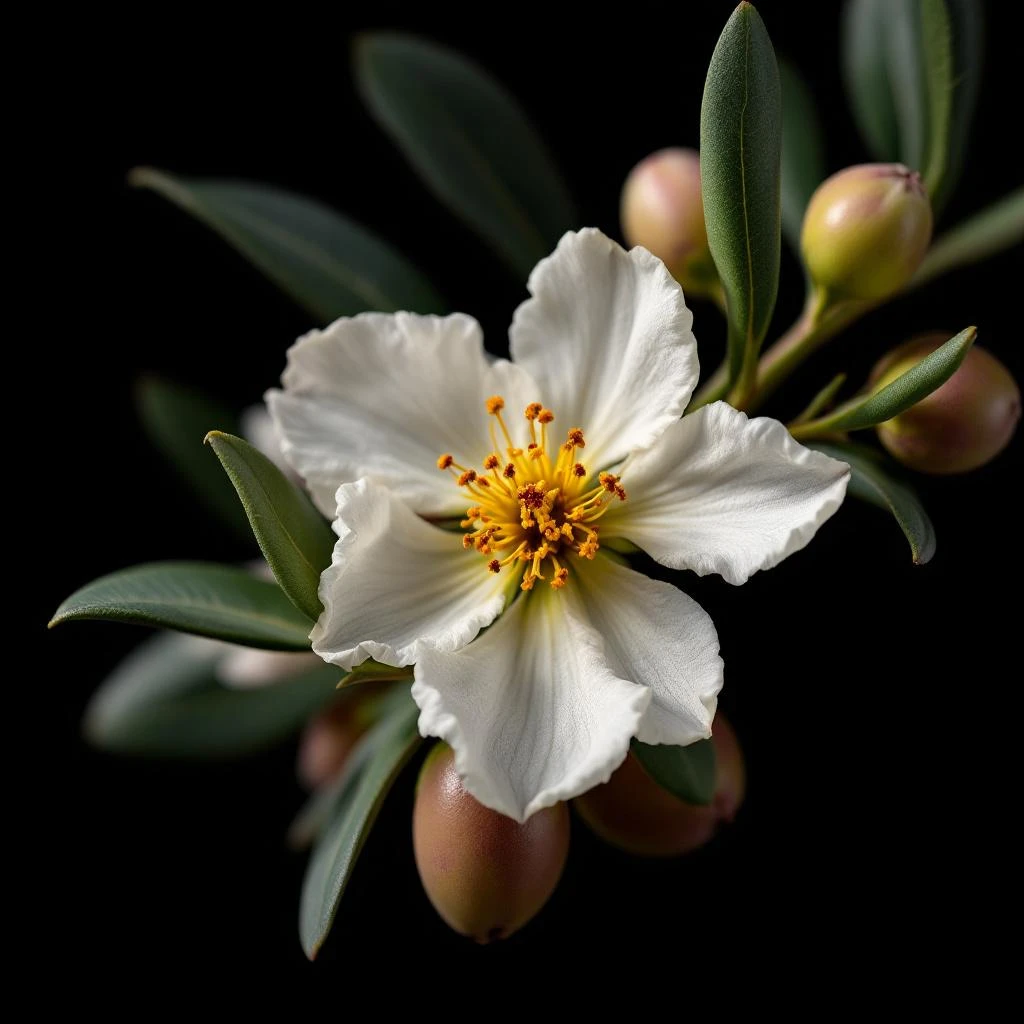
A quiet masterpiece of Mediterranean perfumery. Olive blossom carries the white floral essence of ancient groves—green, slightly bitter, and unexpectedly sweet—woven into the story of perfumery since antiquity.
Character
How it smells
The overlooked white flower of eternal groves.
A single olive tree can produce up to 50,000 flowers in a single season, yet olive blossom absolute requires millions of blossoms to produce just one kilogram.







Origin
Greece
While olive oil anchored ancient perfumery as a base medium, the olive tree's blossoms themselves remained largely unnoticed until recent centuries. Greek perfumers of the classical period worked extensively with olive oil as a carrier, selecting specific olive varieties known as 'raw' and 'coarse' for their minimal greasiness—these were the preferred grades for blending with aromatic extracts.
Archaeological discoveries at the Cyprus perfumery site (1850 BC) revealed that ancient practitioners combined botanical extracts with olive oil to create their fragrances, establishing practices that would shape Mediterranean perfumery for millennia. The Arabs and Persians later refined extraction techniques, introducing steam distillation and new materials to the region, though olive blossom remained primarily associated with its oil rather than its flowers.
True isolation of the blossom's scent became possible only with the advent of modern solvent extraction in the late 19th century, when houses like Antoine Chiris pioneered the techniques needed to capture these delicate aromatics. Today, olive blossom remains a niche ingredient, appearing in only a handful of prestigious fragrances each year.
Wears it best
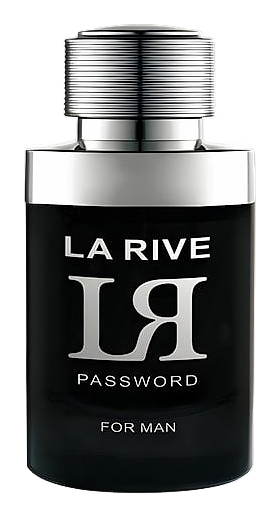
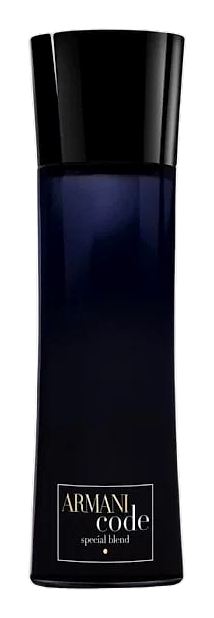
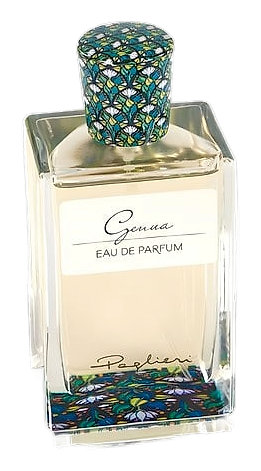
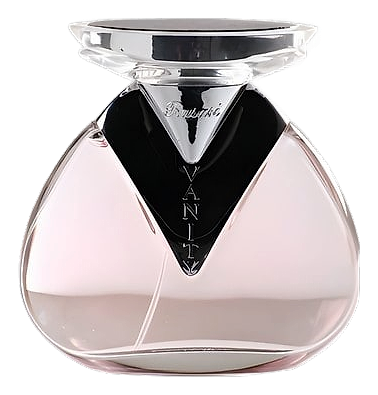
Fragrances featuring Olive Blossom

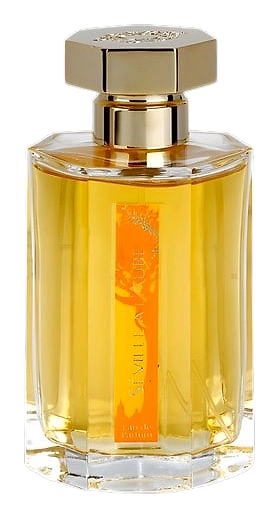
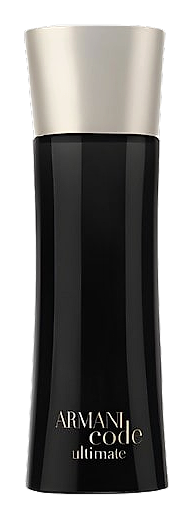
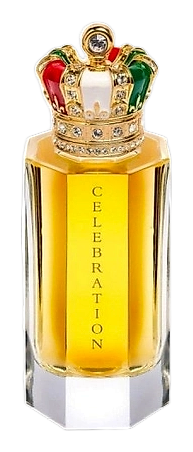

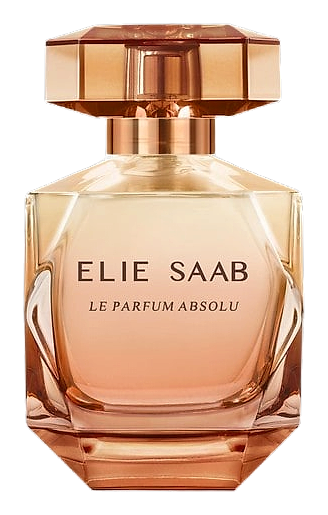

Brands
Brands known for Olive Blossom
Good to know
Questions, answered
The essentials on Olive Blossom in perfumery: how it smells, where it comes from, and how it behaves on skin.
What does olive blossom smell like?
Olive blossom absolute presents as a green, slightly bitter white floral with waxy undertones and a subtle sweet note reminiscent of fresh olive oil. Its character is understated yet distinctive—less linear than jasmine, with an almost vegetative freshness that evokes Mediterranean mornings in the grove.
Is olive blossom a common fragrance ingredient?
No, it is exceptionally rare. Olive blossom absolute appears in fewer than ten commercial fragrances globally, primarily because production is limited and costs are high. Most perfumers work with olive leaf or synthetic reconstructions instead.
Where does olive blossom absolute originate?
The primary source is the Mediterranean basin—Greece, Italy, Spain, and Morocco produce the majority of material, with French Grasse playing a key role in processing. Greek production is particularly regarded for its quality.
Why is olive blossom so expensive?
Yield is extremely low: approximately 200-300 flowers produce just one gram of absolute. Additionally, flowers must be harvested by hand during a narrow two-to-three-week blooming window, making labor costs substantial relative to output.
How is olive blossom different from olive leaf or olive oil?
Each produces a distinct aromatic profile. Blossom absolute yields delicate white floral-green notes; olive leaf absolute is more bitter, herbaceous, and aquatic; olive oil itself carries rich, fatty, buttery characteristics. They rarely substitute for one another.
What perfume families use olive blossom?
It appears most often in green, chypre, and fougère compositions where it adds natural depth to the top notes. Niche houses like L'Artisan Parfumeur and Diptyque have used it for its authentic Mediterranean character.
Can olive blossom be synthesized?
Partially. Chemistry has identified key constituents like phenylacetic acid and linalool found in the absolute, allowing perfumers to create approximate reconstructions. However, these lack the complexity and natural variance of the genuine material.
When does the olive tree bloom for perfumery?
Flowering occurs in late May through June across the Mediterranean, lasting only two to three weeks. Timing varies by region and climate—southern Greece blooms earlier than northern Italy—creating a narrow annual window for harvest.




