The Story
Why it exists.
The beginning
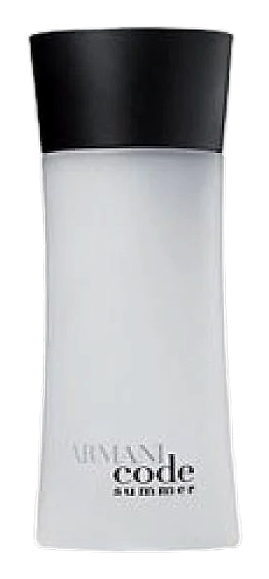
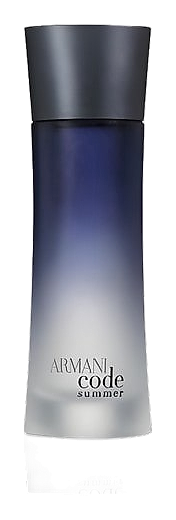
Armani Code Summer Pour Homme 2010 arrived as a limited edition meant to capture one specific season, the height of a Mediterranean summer. Launched in February 2010, it was designed around the sensory memory of warm coastal afternoons: the light turns golden before it fades and the air carries the unmistakable warmth of late afternoon sun. Rather than a reinterpretation, this was a standalone composition built to feel like summer air, bright, aquatic, and unapologetically warm. The choice of notes like olive blossom and tarragon was deliberate, anchoring the scent in a Mediterranean vocabulary. It came in a 75 ml collector's bottle, part of Armani's seasonal releases.
Code Summer 2010 presents a different character from much of the Armani Code family. The aquatic and citrus opening is genuinely cool, the floral heart adds unexpected dimension without weight, and the base of guaiac wood and amber grounds everything without heating it up. The tarragon in the heart is the most unusual note: green, slightly anise-scented, it keeps the rose and olive blossom from reading too sweet. It's a composition that earns its warmth rather than announcing it.
The evolution
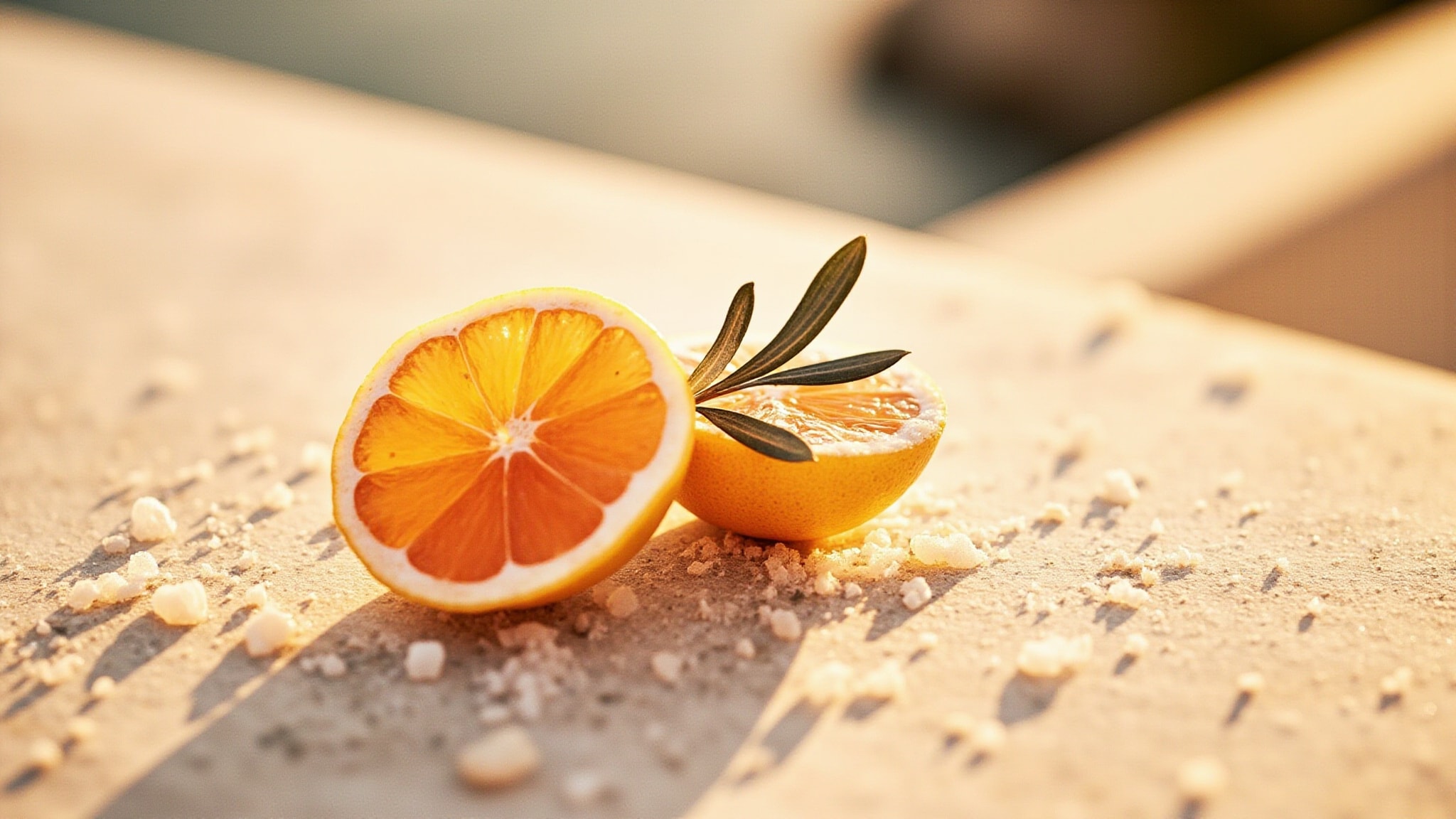
The opening arrives fast, bergamot, neroli, and grapefruit burst through, lifted immediately by marine notes that read more like sea salt. The grapefruit is the sharpest element in the first minutes, keeping the top bright and energized. As the citrus settles, the heart opens up. Olive blossom appears first, slightly bitter, distinctly Mediterranean, followed by a rose note that is quiet but persistent. The tarragon is the surprise: green, herbaceous, it pushes back against the sweetness of everything around it and keeps the heart feeling fresh rather than floral. The drydown takes its time arriving. Cedarwood begins to assert itself, dry and woody, giving the scent structure it didn't have before. Musks appear next, soft, clean, skin-like, and the amber warmth begins to build underneath.
Cultural impact
Armani Code Summer 2010 was released as part of the house's seasonal limited editions, designed as a discrete chapter rather than a permanent addition. Its Mediterranean botanical vocabulary, olive blossom, tarragon, guaiac wood, gave it a specificity of place. The combination of these ingredients created something that felt rooted in a particular geography and climate, drawing on the herbs and woods commonly found around the Mediterranean basin. The fragrance stood apart from more conventional summer releases through its use of these botanical materials, creating depth and complexity that rewarded closer attention.