
The Story
Why it exists.
The beginning
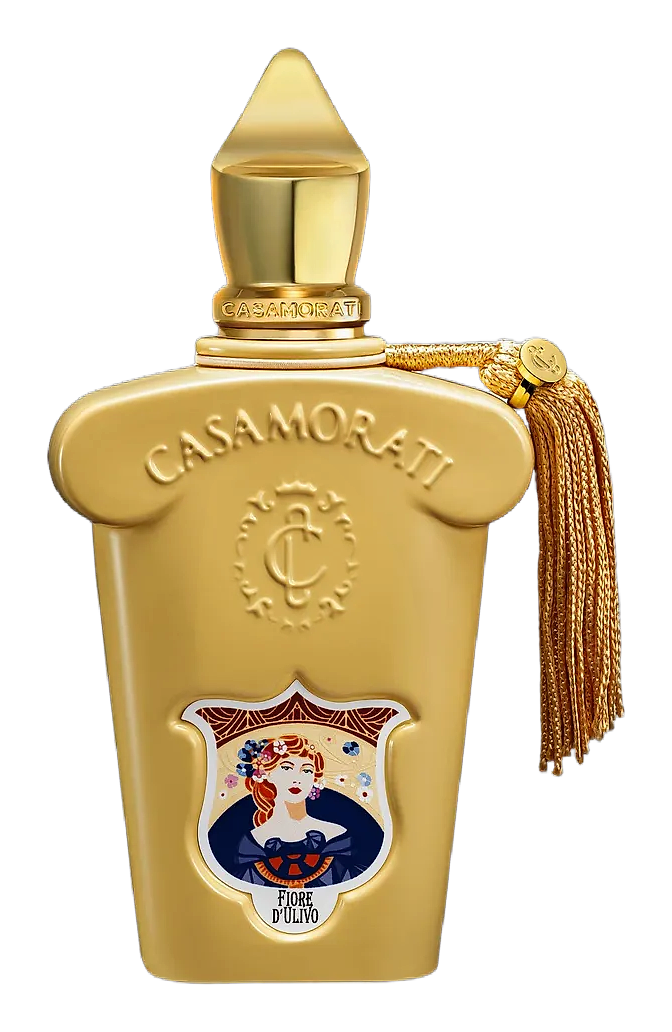
Fiore d'Ulivo means 'olive blossom,' and that's the whole point. Angéline Leporini built this fragrance around the flower of the olea europaea, the small, white, intensely fragrant bloom that appears on Mediterranean olive trees each spring, turning whole hillside groves into something luminous and fleeting. The fragrance translates that moment: the silvers and greens of an olive grove under morning light, the blossom's clean sweetness, the warmth that builds as the sun rises. It was Leporini's ode to the Mediterranean landscape in its most specific, identifiable form.
What makes Fiore d'Ulivo unusual is the olive blossom itself, a note that can drift between green, soapy, and indolic depending on conditions. Here, it anchors the heart between jasmine and magnolia, both present and contributing their own character, while keeping the overall effect clean and Mediterranean rather than heavy or heady. The jasmine brings a creamy white floral warmth while the magnolia adds a lemony, slightly green edge that plays against it. The ambrette in the opening is musky but airy, bridging the citrus and the floral without adding weight.
The evolution
The opening arrives crisp and immediate: lemon zest and lotus, clean and aquatic. The basil lingers longer than most aromatic materials, settling gradually into the background as the composition evolves. The olive blossom takes over the heart without fanfare, sliding in quietly as the citrus fades, and the transition feels natural rather than abrupt. Jasmine and magnolia round out the floral middle without overwhelming it. By the time the drydown arrives, ambrette, amber, and benzoin create a shift from bright morning to afternoon warmth, intimate and close. The progression shows how each layer builds on the last, with the final accord feeling like a natural evolution rather than a collection of separate parts.
Cultural impact
Fiore d'Ulivo marks a revival of an Italian perfumery heritage that dates back to 1888. When Xerjoff brought Casamorati back to market in 2009, the olive blossom became the signature material for this revival. The olive tree carries deep cultural weight in Mediterranean civilization, representing longevity, peace, and the agricultural identity of the region. Making olive blossom the centerpiece anchors the fragrance in something specific and regional. The scent itself embodies this heritage, with a clean Mediterranean character that feels rooted in tradition without feeling dated.
The House
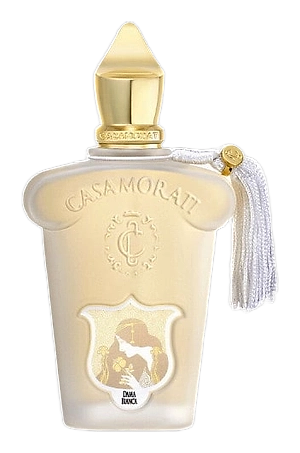
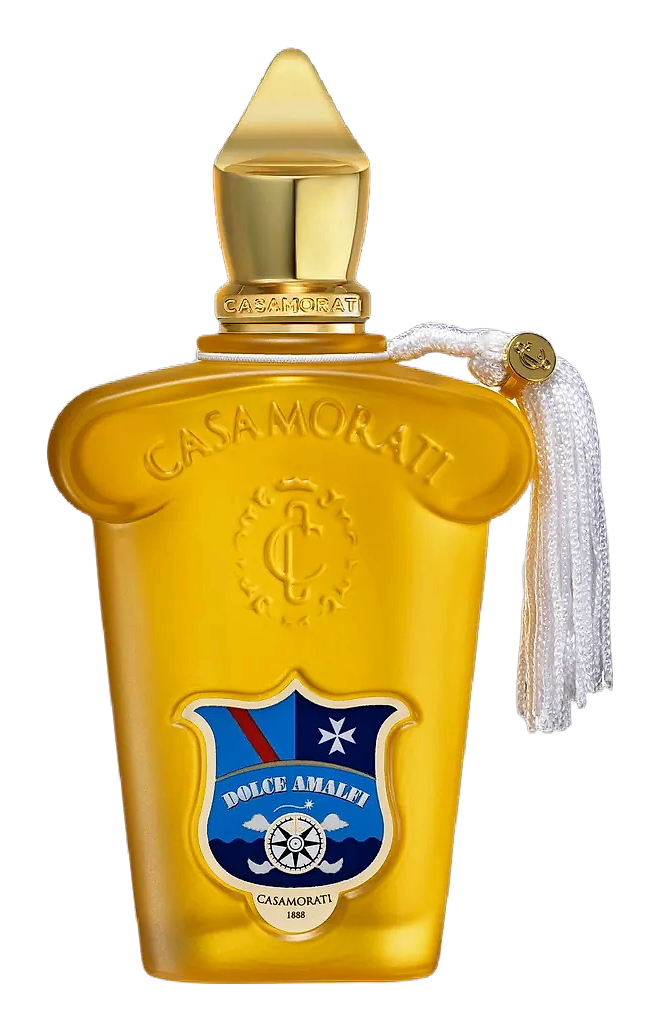
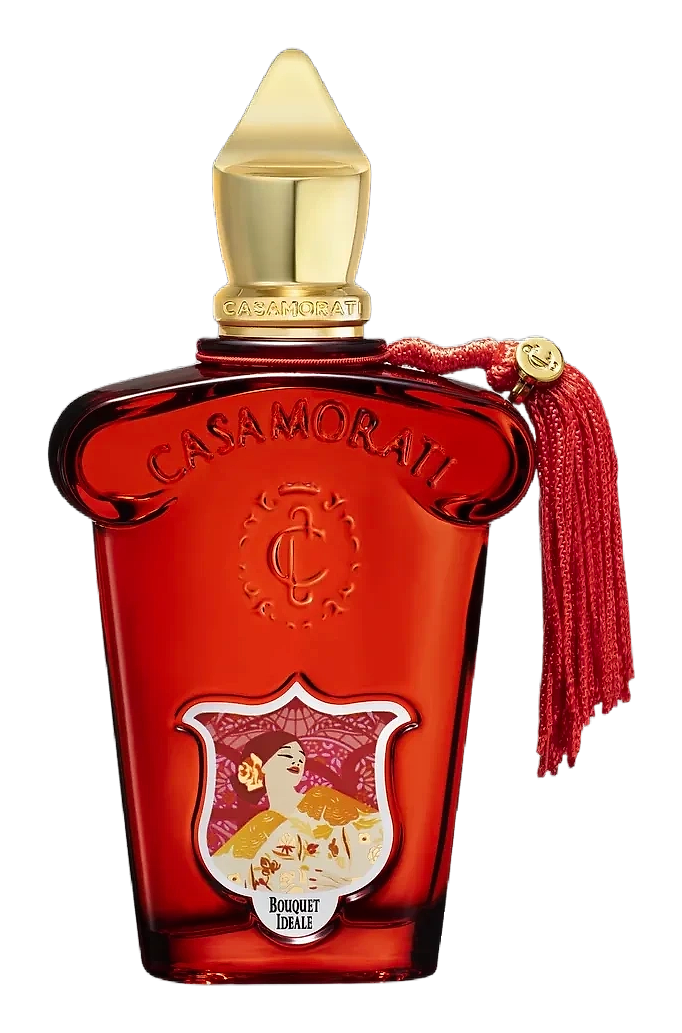
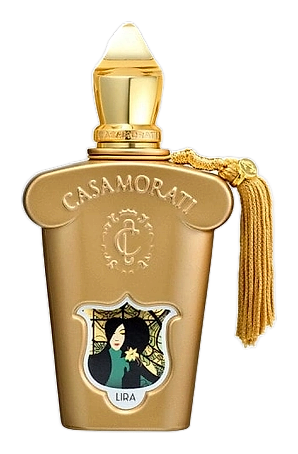
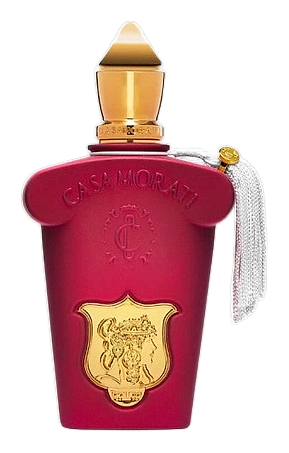
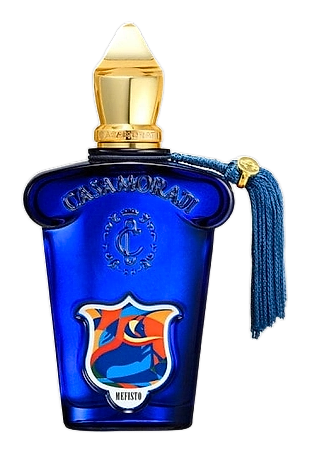
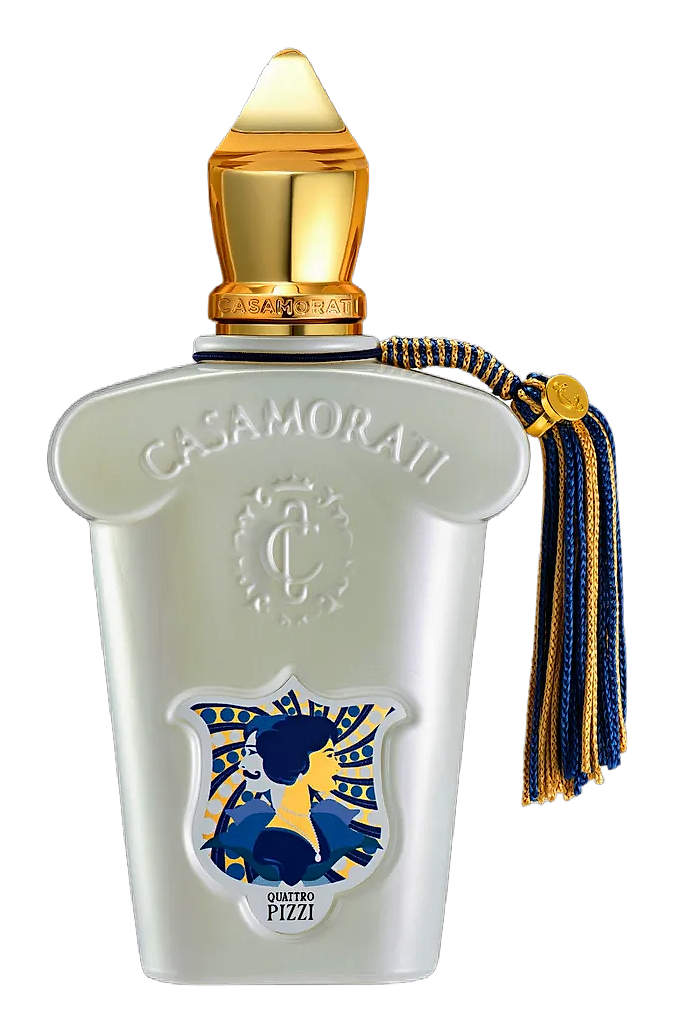
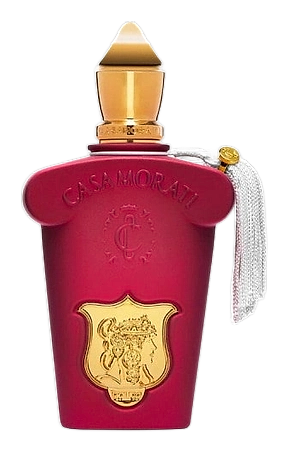
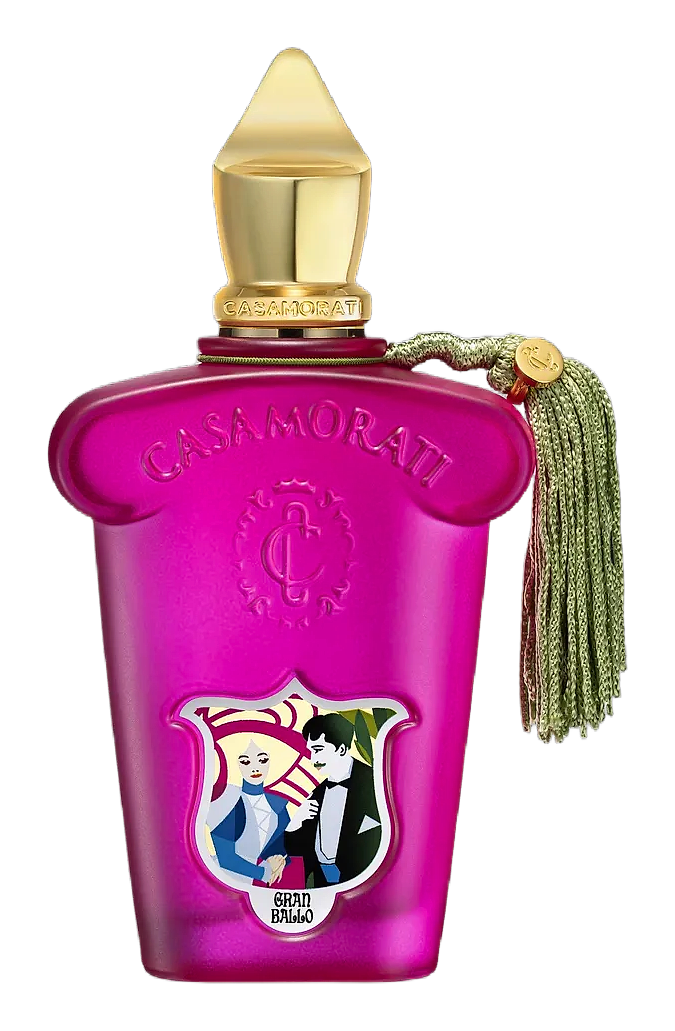
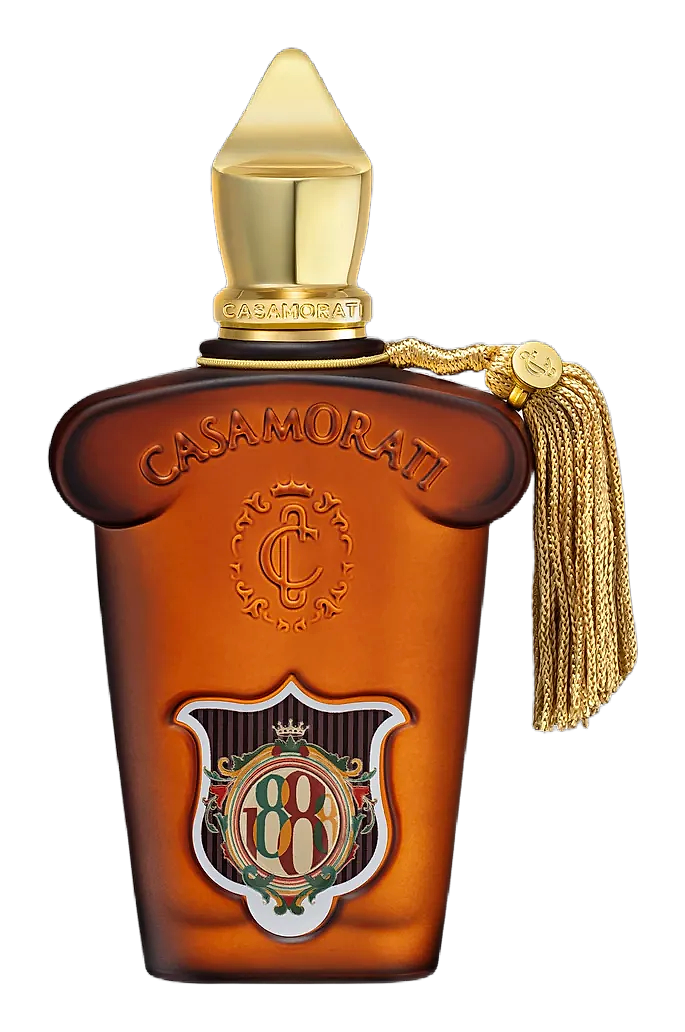
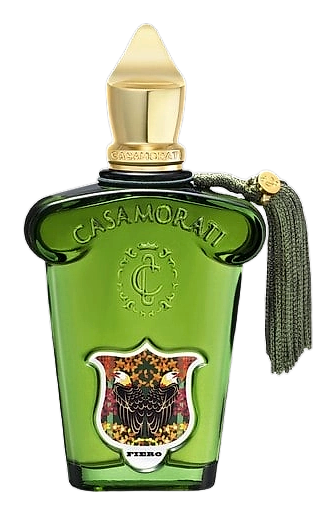
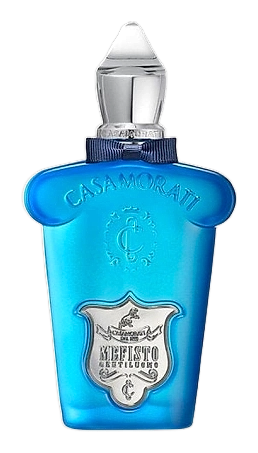
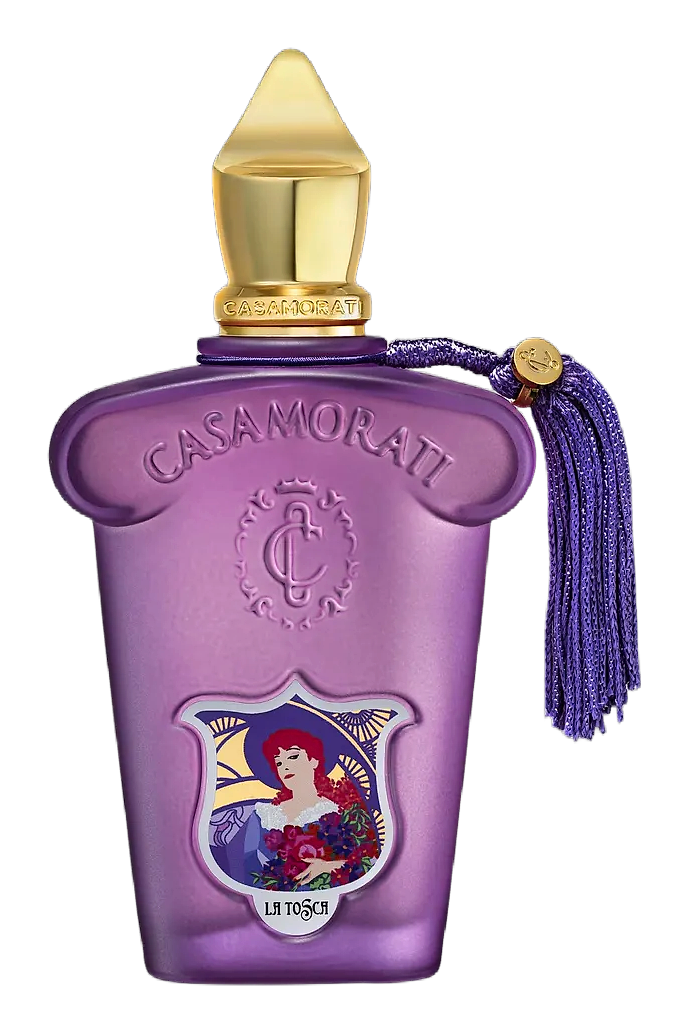
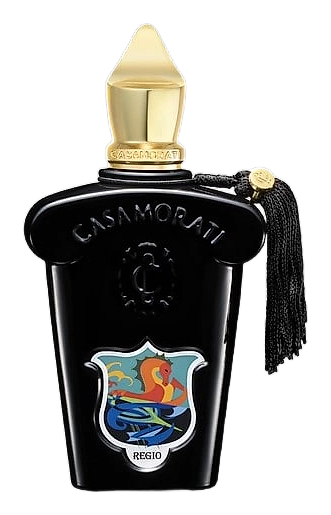
Casamorati 1888Casamorati traces its roots to 19th-century Bologna, where Claudio Casamorati established his perfume factory and registered the iconic double-C trademark on 17 April 1888. The house gained international recognition for its scented soaps and fine fragrances before disappearing from the market for over six decades. Xerjoff acquired the rights in 2009, reviving the collection under the direction of founder Sergio Momo. The brand draws inspiration from Art Nouveau aesthetics and the golden age of Italian perfumery, presenting fragrances that evoke a classical, oriental sensibility through warm spices, florals, and precious woods. Each scent carries the visual identity of the original house, with flacons and insignia preserved from the 1888 foundation. Notable releases include Lira (2011), a gourmand composition built around vanilla and caramel, and Dama Bianca (2012), a white floral with kumquat and vanilla. The brand maintains a curated collection that spans aromatic, oriental, and floral olfactory directions, reflecting its commitment to historical Italian craft.
The Creator
Angéline LeporiniAngéline’s studio reads like a laboratory of botanicals. Rose absolute, freshly cut jasmine and wild orange blossom sit beside transparent musks and subtle ambergris analogues.