The Story
Why it exists.
The beginning
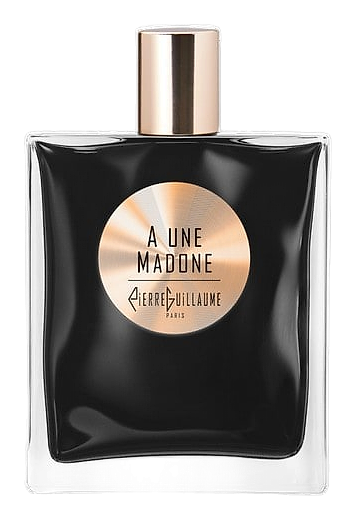
The name comes from Baudelaire's poem "À une Madone" in Les Fleurs du Mal, a meditation on devotion and desire, saints and sinners. Pierre Guillaume took that duality as his brief: vanilla as sacred and profane at once. Released in 2021 as part of the Collection Confidentiel, the fragrance translates the poem's tension into scent. Ugandan vanilla anchors the composition, but it's the animalic presence, castoreum, civet, styrax, that earns the name.
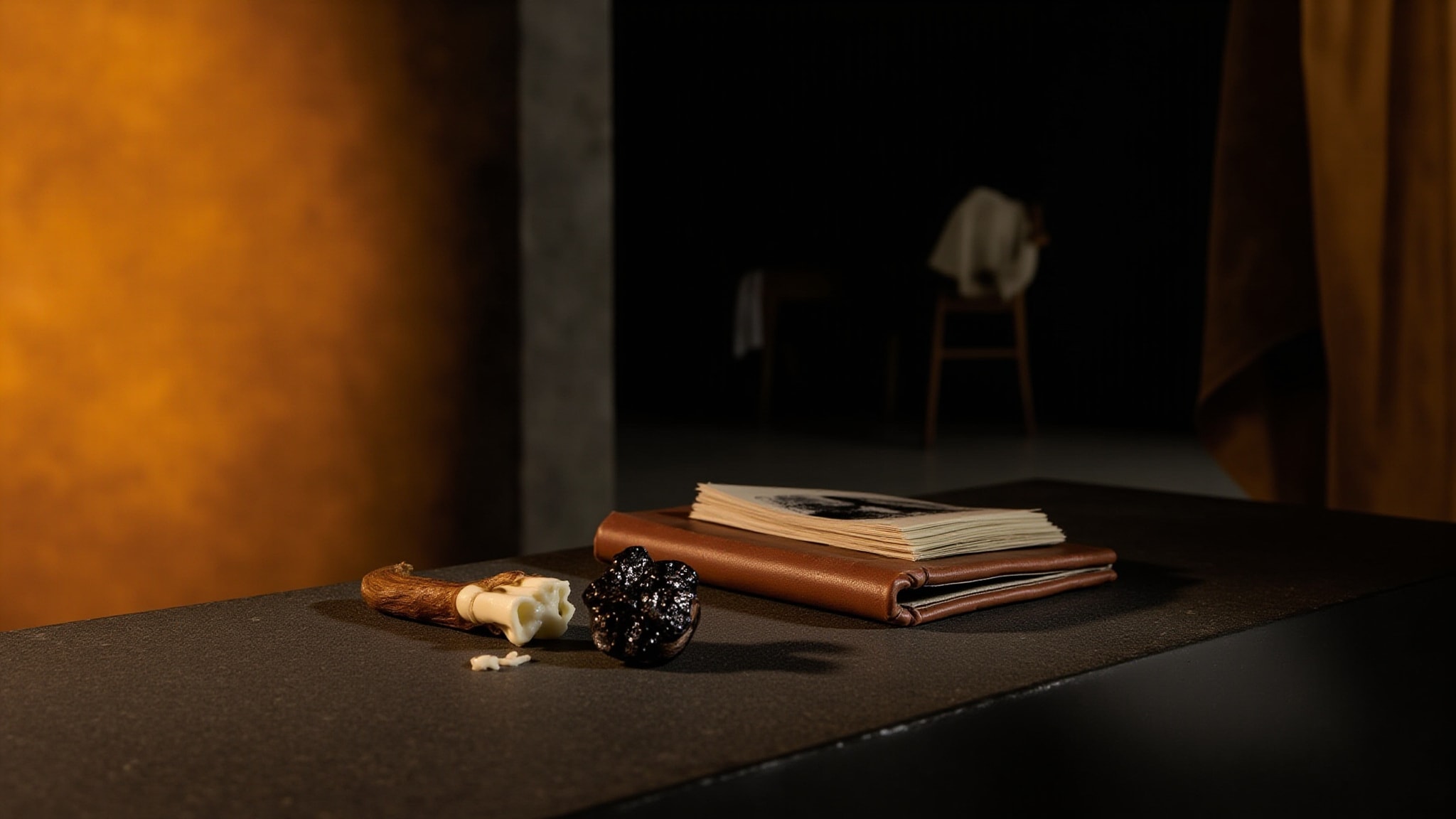
Ugandan vanilla differs from its Bourbon or Tahitian cousins. It's earthier, more primal, the vanilla of a pod that grew hot and slow under equatorial sun. Pierre Guillaume paired it with animalic materials typically kept in supporting roles, letting castoreum and civet take center stage alongside the sweetness. The result is a vanilla fragrance that refuses to be polite. Gaiac wood and sandalwood provide the structure, but the character belongs to the raw materials underneath.
The evolution
Cardamom opens bright and sharp, green, almost medicinal heat that wakes you up. Within minutes, the vanilla arrives, and with it, the animalic layer that defines this fragrance. The castoreum doesn't hide behind the sweetness; it pushes through, creating a warm, musky tension that lasts for hours. The civet adds a feral edge, the styrax a balsamic depth. By the drydown, the sweetness has receded and what remains is resinous, intimate, and close to the skin. This fragrance doesn't announce itself. It waits.
Cultural impact
A Une Madone occupies a specific niche: vanilla for people who've exhausted polite options. The animalic notes, castoreum, civet, divide opinion, which is precisely the point. Where most vanilla fragrances aim for universal appeal, this one aims for depth. Wearers describe it as the fragrance of someone who's done searching for something that works and has settled into a signature that actually means something.