Ugandan Vanilla
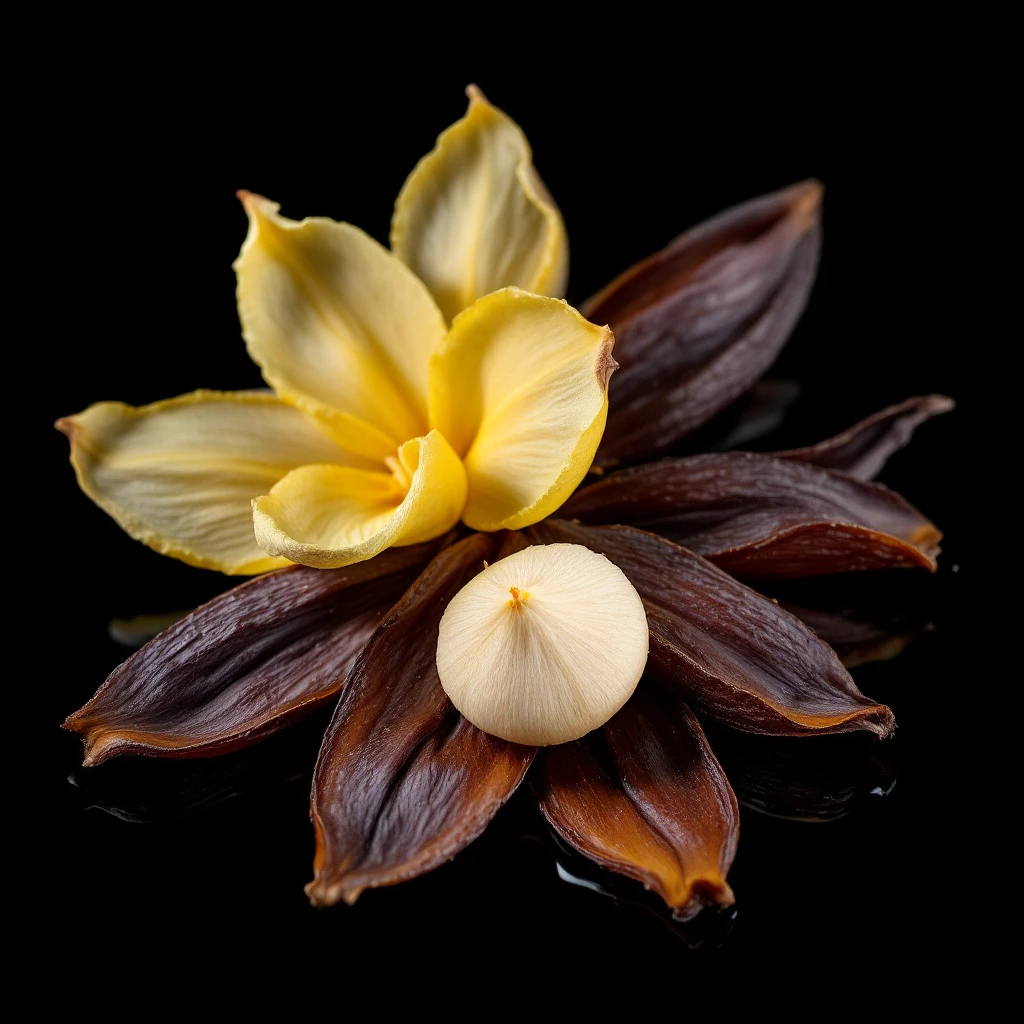
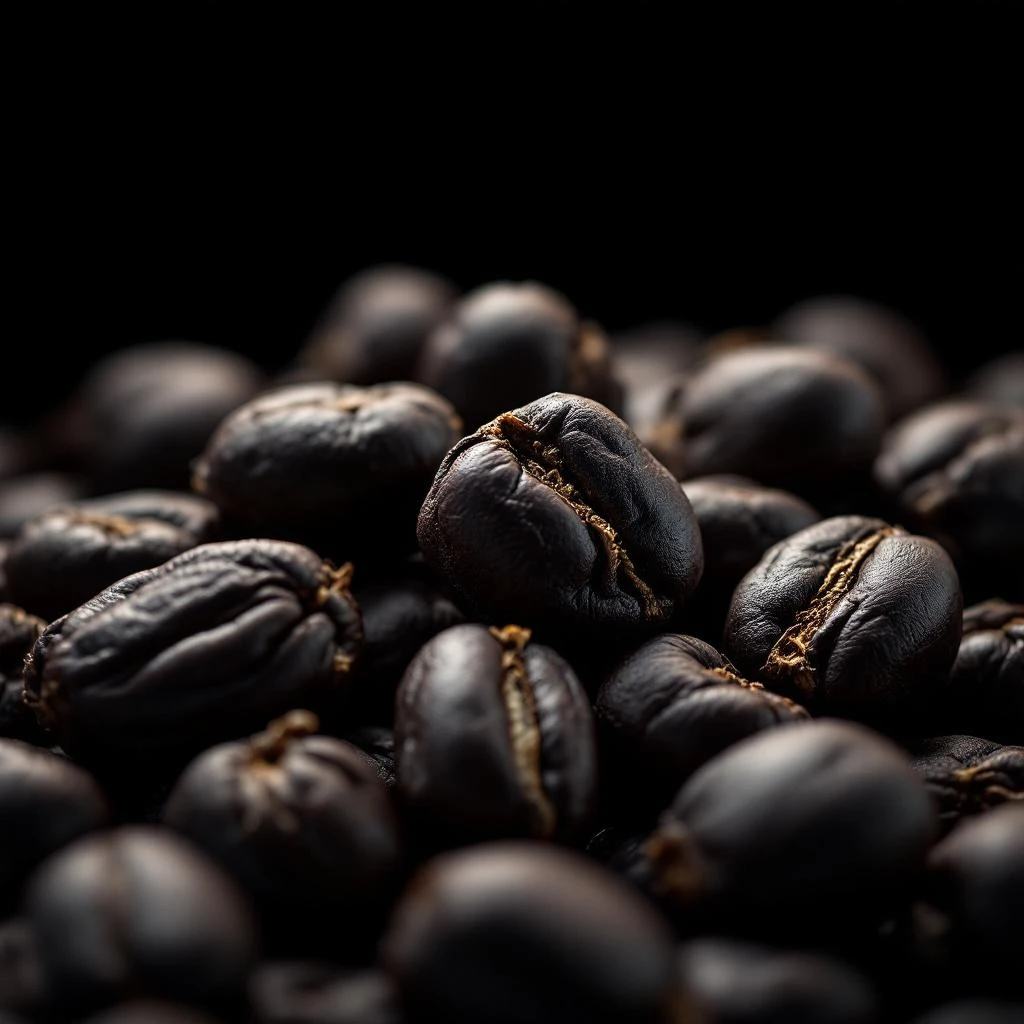
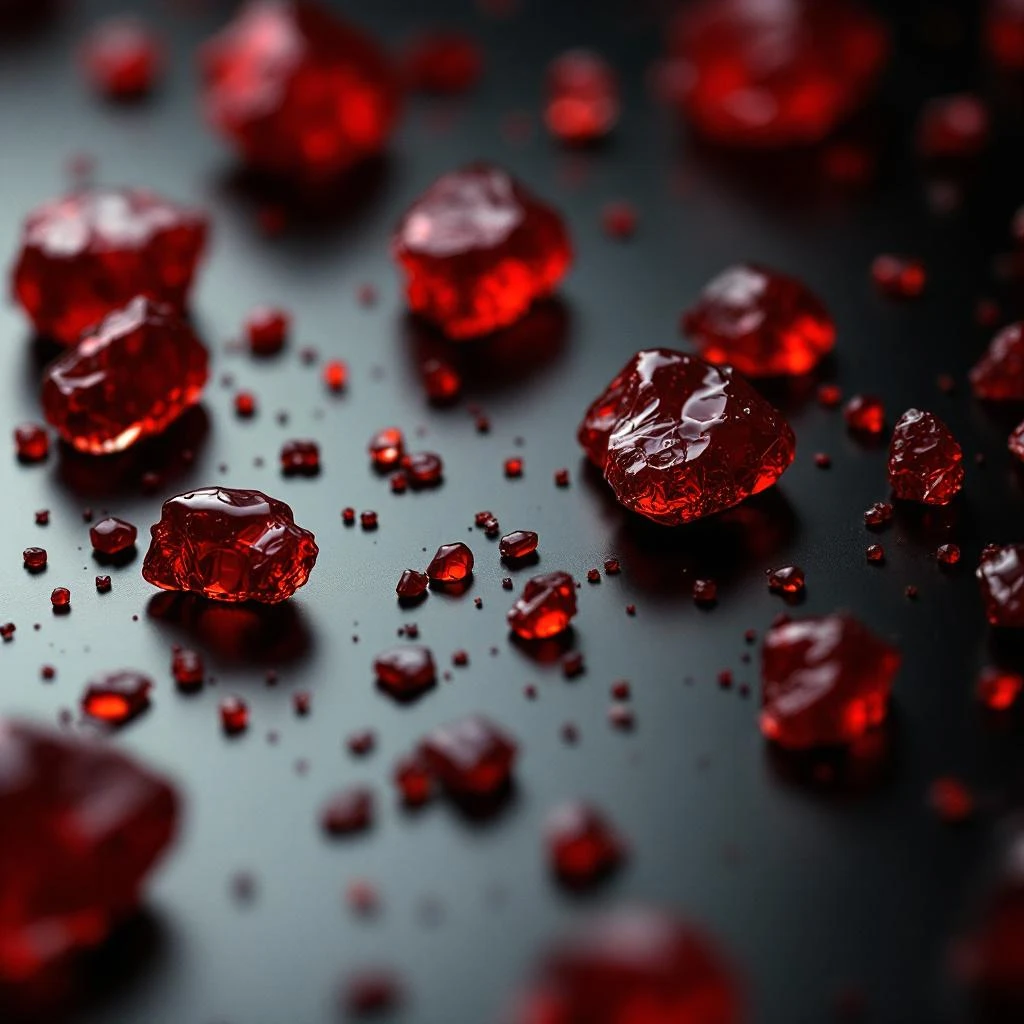
Ugandan vanilla grows in highland regions near the Rwenzori Mountains, producing a darker, smokier bean with bold chocolate and dried fruit notes. This African origin adds dimension to fragrances that standard Madagascar vanilla cannot achieve.
Character
How it smells
Africa's answer to vanilla's most coveted note.
Ugandan vanilla beans cure for up to nine months before reaching their full aromatic potential, developing notes that Madagascar beans simply cannot match.



Origin
Uganda
Vanilla traces its roots to ancient Mesoamerica, where the Totonac civilization first cultivated the orchid they called tlilxochitl, or black flower. Spanish conquistadors encountered vanilla when they conquered the Aztec Empire in the 1500s, bringing the spice to European courts where it flavored cacao drinks reserved for royalty. Vanilla remained confined to its American origins for two centuries because the plants would not fruit elsewhere.
In 1836, a Belgian botanist discovered the pollination secret: vanilla orchids require hand-pollination since their native Melipona bees do not exist outside Mexico. This breakthrough enabled cultivation in French Indian Ocean colonies and eventually Uganda, where equatorial warmth and highland altitudes proved ideal. By the late 20th century, Uganda had emerged as a major producer, with the Rwenzori foothills producing beans prized for their intensity and complexity.
In perfumery, vanillin entered compositions in 1889 when Aimé Guerlain created Jicky, blending synthetic vanillin with natural extract. Uganda's beans now supply fragrance houses seeking deeper, more complex vanilla character.
Wears it best
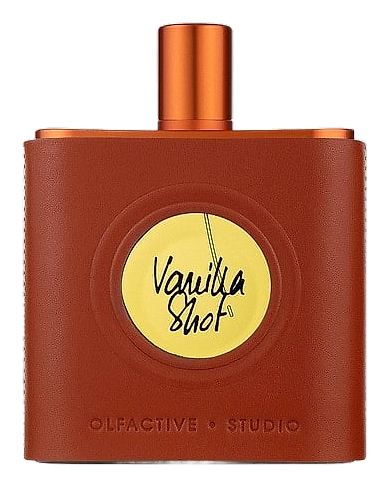
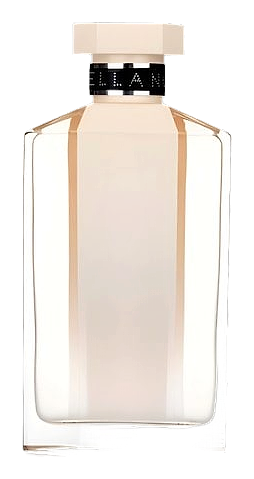
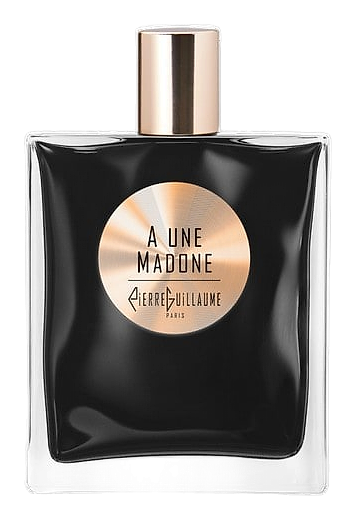
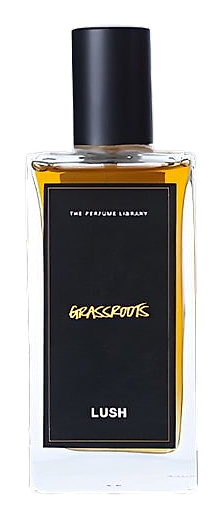
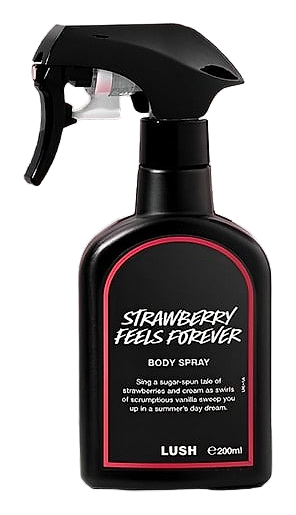
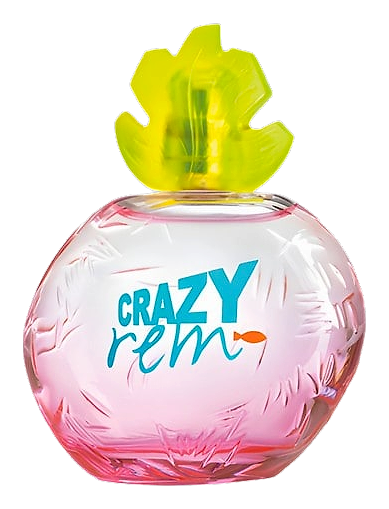
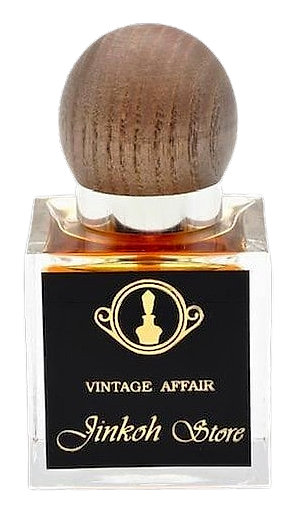
Fragrances featuring Ugandan Vanilla
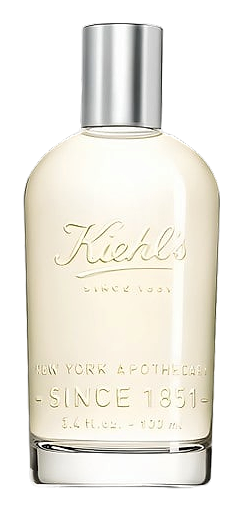
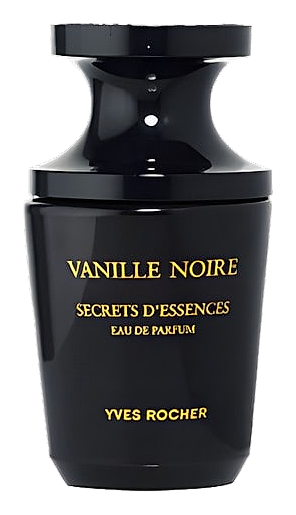
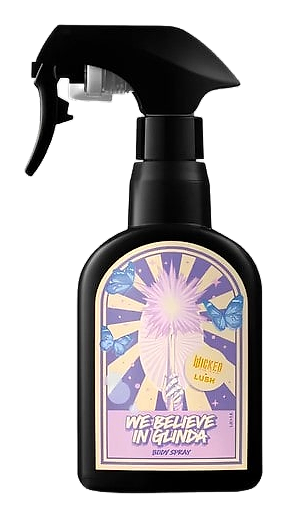
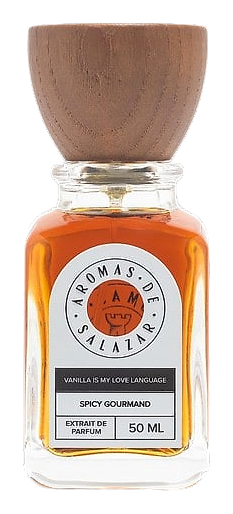
Brands
Brands known for Ugandan Vanilla
Good to know
Questions, answered
The essentials on Ugandan Vanilla in perfumery: how it smells, where it comes from, and how it behaves on skin.
What makes Ugandan vanilla different from Madagascar vanilla?
Ugandan vanilla develops darker, smokier characteristics with chocolate and dried fruit undertones. The highland growing conditions and extended curing process produce beans with higher aromatic intensity compared to standard Madagascar varieties.
Why is vanilla so expensive?
Vanilla requires hand-pollination of every flower since Melipona bees exist only in Mexico. Combined with a curing process taking six to nine months, production demands exceptional manual labor at every stage.
What does vanillin mean in perfumery?
Vanillin is the primary aromatic compound in natural vanilla. Perfumers also use synthetic vanillin and ethylvanillin, a more potent derivative synthesized in 1894, to create consistent gourmand vanilla effects.
How does Uganda's geography affect vanilla quality?
The Rwenzori highlands provide ideal conditions with equatorial warmth and altitude between 900 and 1,500 meters. These factors contribute unique terroir notes that distinguish Ugandan vanilla from other origins.
What fragrance families pair well with Ugandan vanilla?
Oriental fragrances showcase Ugandan vanilla best, where its smoky depth complements amber, resins, and spices. Gourmand compositions also benefit from its bold, food-like character.
Is vanilla a natural or synthetic ingredient in most fragrances?
Most modern fragrances rely primarily on synthetic vanillin for cost and consistency. Natural vanilla extract remains expensive but appears in luxury and niche compositions seeking authentic complexity.
Why does vanilla require such long curing?
Fresh vanilla pods are scentless. The months-long sweating and drying process activates enzymes that convert precursors into vanillin and hundreds of other aromatic compounds, creating the characteristic flavor.
What role did vanilla play in perfumery history?
Vanilla entered modern perfumery in 1889 when Aimé Guerlain created Jicky, combining natural vanilla with synthetic vanillin. This pioneering blend established vanilla as a foundational perfumery material.