The Story
Why it exists.
The beginning
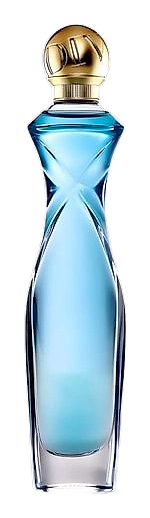
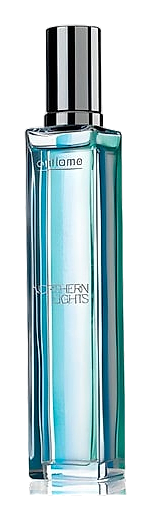
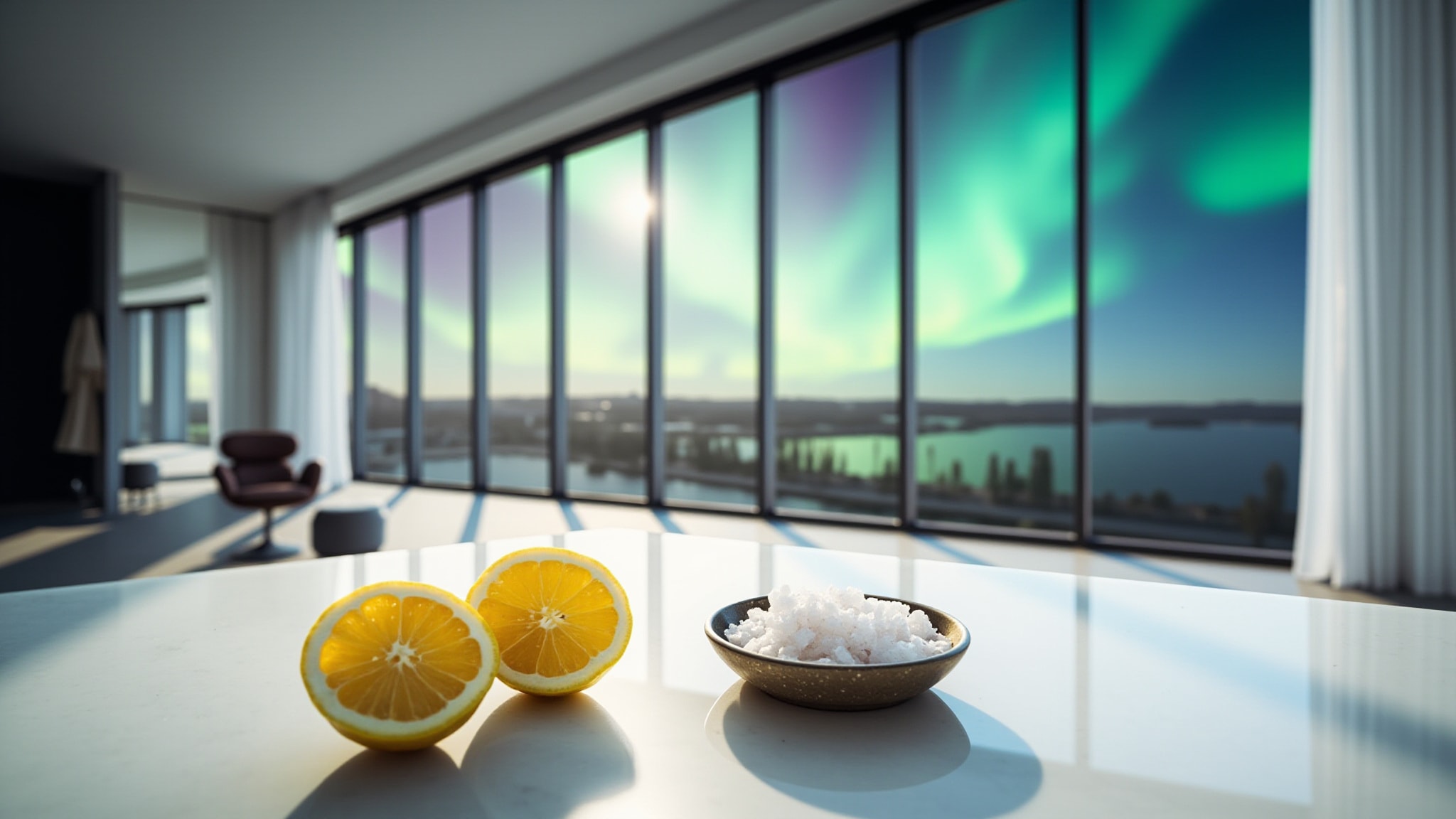
The aurora borealis. That cold shimmer across a Swedish sky in winter, ionized air catching light, colors shifting between green and blue and violet. Gilbert Apollon wanted to bottle that phenomenon in 2007: not the spectacle, but the feeling. The crispness of air that bites. The vastness overhead. The sense that something enormous is happening above you while the world stays quiet below.
What makes Northern Lights interesting is its structure, a sharp aquatic opening that could belong to any seaside scent, handing off to a fruity-floral heart that feels almost domestic by comparison. Apricot and jasmine soften what lemon and sea water start. The transition isn't dramatic. It just gets warmer, rounder, more human. Like sunlight breaking through cloud.
The evolution
The first thirty minutes are all cold brightness, lemon zest, a mist of salt water, blackcurrant providing a faint berry tartness underneath. Then the marine notes begin to recede, and the heart arrives: jasmine and lily, apricot sweetness, a touch of violet leaf. It softens without becoming delicate. By hour three, patchouli and white musk have settled close to the skin. The raspberry in the base is subtle, more suggestion than statement. Lasts six to eight hours on most skin, moderate sillage throughout.
Cultural impact
Northern Lights arrived in 2007, a moment when aquatic fragrances dominated popular scent culture. It holds its own in Oriflame's Scandinavian lineup alongside Serene Blue and Deep Woods, all grounded in Sweden's coastal and forest landscapes. The fragrance speaks to a particular kind of confidence: self-assured without being loud, present without demanding attention.