The Story
Why it exists.
The beginning
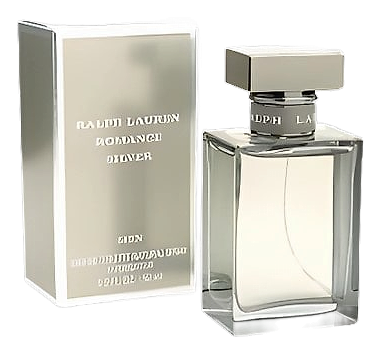
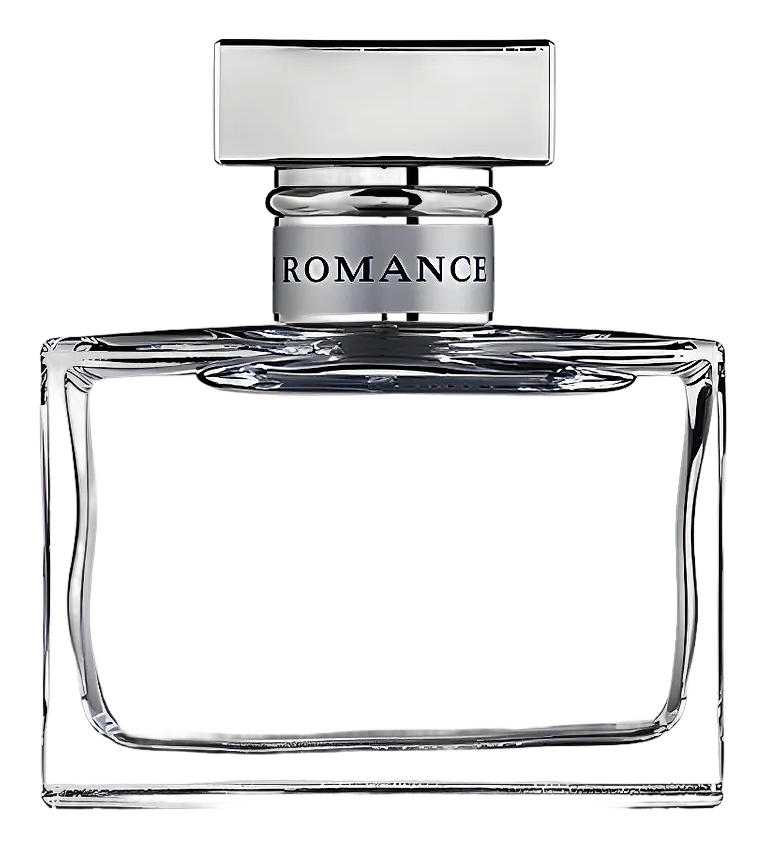
Ralph Lauren launched Romance in 1998, pursuing something quieter in a market crowded with bolder scents. The name says it all: romantic love, intimate moments, joy. Not grand passion. Harry Frémont built the composition around rose as a beginning rather than an ending, the petals open, then something warmer follows. Chamomile and ginger add an herbal complexity that keeps the rose from feeling predictable, while white florals and white musk create closeness without loudness. The rose itself carries a soft, fresh quality at the opening, its petals still holding a dewy brightness before the warmer notes arrive. As the scent develops, the herbal elements interweave with the florals, creating a layered effect where chamomile's subtle bitterness balances the rose's natural sweetness.
The chamomile and ginger pairing defines Romance's opening. Chamomile brings an herbal quality that softens the rose without sweetening it, creating a balance between the familiar and the unexpected. The ginger adds a clean spice that lifts the composition without making it sharp or aggressive. Together, they keep the rose from becoming the kind of soft, powdery note that can weigh a fragrance down. The white florals, lotus, lily, white violet, carry the heart with restraint, never overwhelming the structure.
The evolution
The opening announces rose and citrus together. Chamomile arrives almost immediately, herbal and calming, unexpected in how well it pairs with the florals. Lemon and ginger add brightness. For the first part of the wear, Romance presents rose and citrus alongside these herbal accents, the combination feeling fresh and well-considered. The rose deepens as the citrus fades, becoming warmer as it settles into the heart. Lily and lotus emerge quietly, white violet adding a powdery softness that stays restrained rather than overwhelming. Carnation adds a subtle spice that keeps the florals grounded, preventing them from going flat. As the composition moves toward its base, white musk becomes more prominent, soft and close to the skin. Oakmoss adds an earthy green undertone that gives the drydown some structural interest.
Cultural impact
Romance arrived in 1998 with a specific point of view: a rose fragrance that didn't rely on powder or heavy sweetness to make its case. The chamomile-ginger pairing at the opening gave it a distinctive herbal quality that set it apart from many of the florals that dominated the market at the time. Rather than leaning into the sweetness and projection that characterized much of the decade's women's fragrance, Romance stayed close to the skin, intimate and understated. The white florals in the heart, lily and lotus alongside white violet, kept the composition restrained without ever feeling thin or one-dimensional.