White Violet
White violet is a delicate floral note prized for its luminous softness and airy green nuances. Less powdery than traditional violet, it brings a pure, transparent quality to modern fragrance compositions.
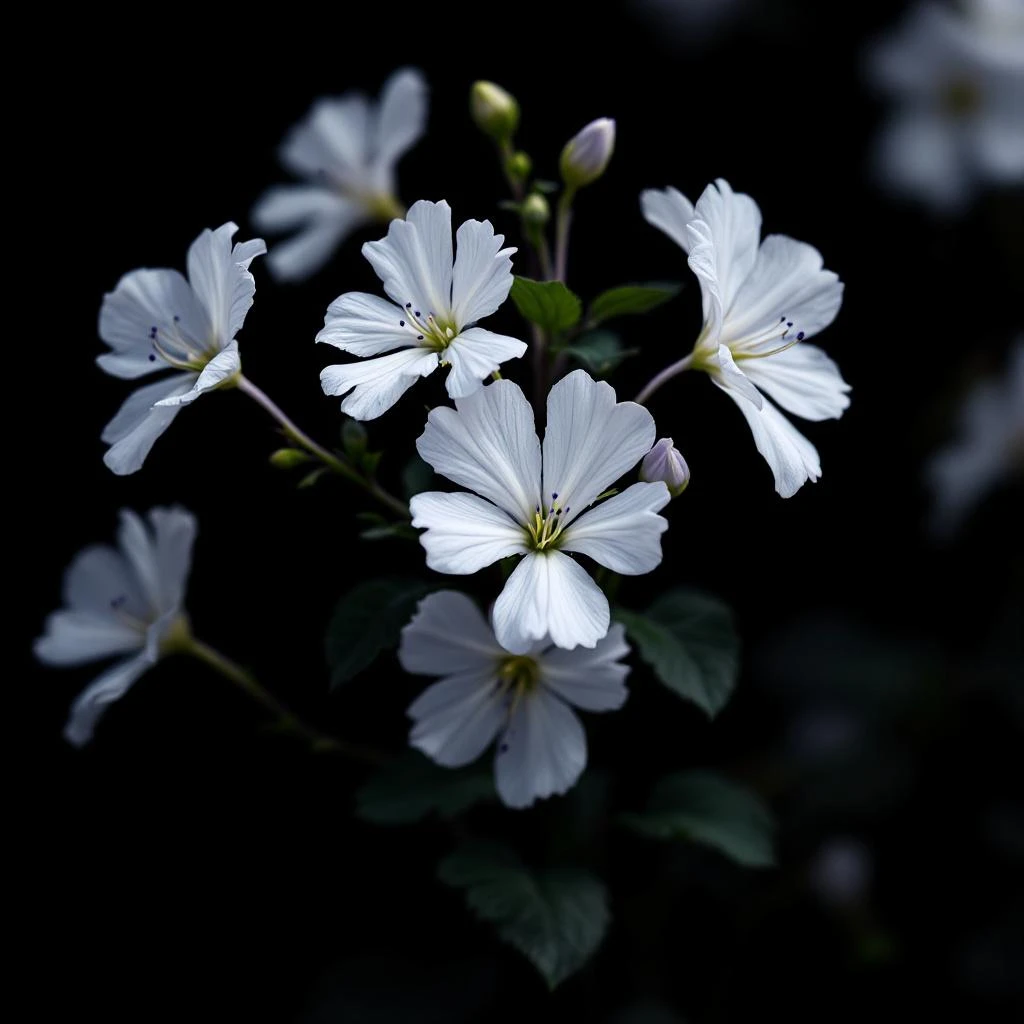
Character
How it smells
A luminous floral with ethereal softness.
Extracting 1 kg of natural violet oil once required over 33,000 kg of flowers, making violet one of the most precious materials in 19th-century perfumery.






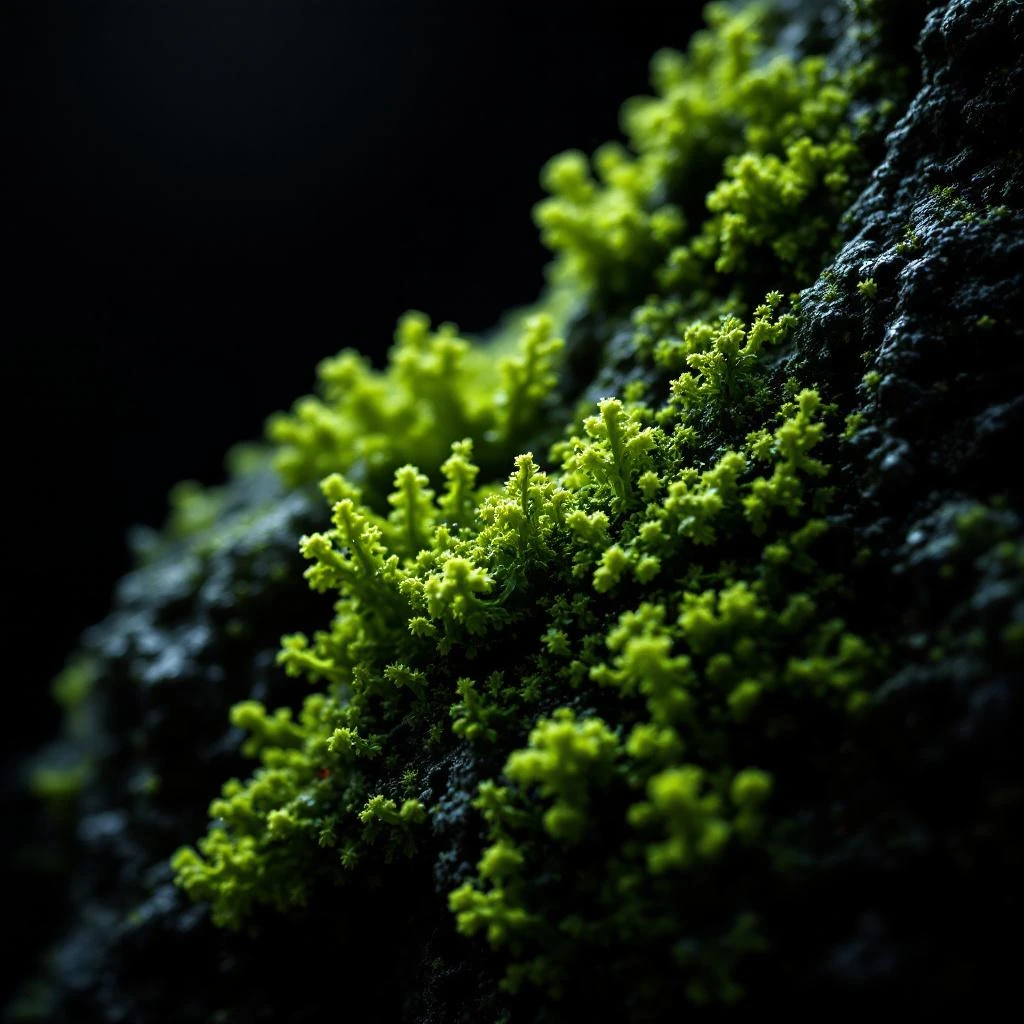


Origin
France
The late 19th century through early 20th century earned the name 'violet era' for good reason. Violet fragrances adorned royalty, with the Duchess of Parma, Maria Louise of Austria (Napoleon's second wife), driving demand for violet perfume in the early 1800s. Perfumers in Grasse, France pioneered extraction techniques, initially using warm enfleurage before solvent extraction.
The first commercial ionone-based violet perfume, Vera Violetta by Roger et Gallet, launched in 1895 and revolutionized the industry. This chemical breakthrough transformed violet from an expensive luxury into an accessible note found across modern perfumery.
Wears it best
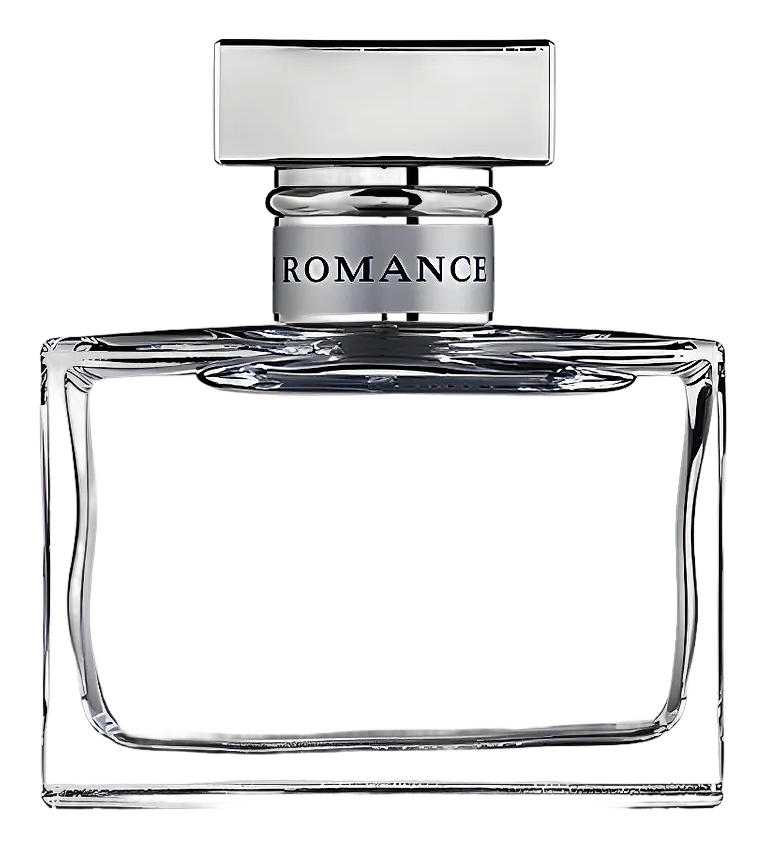
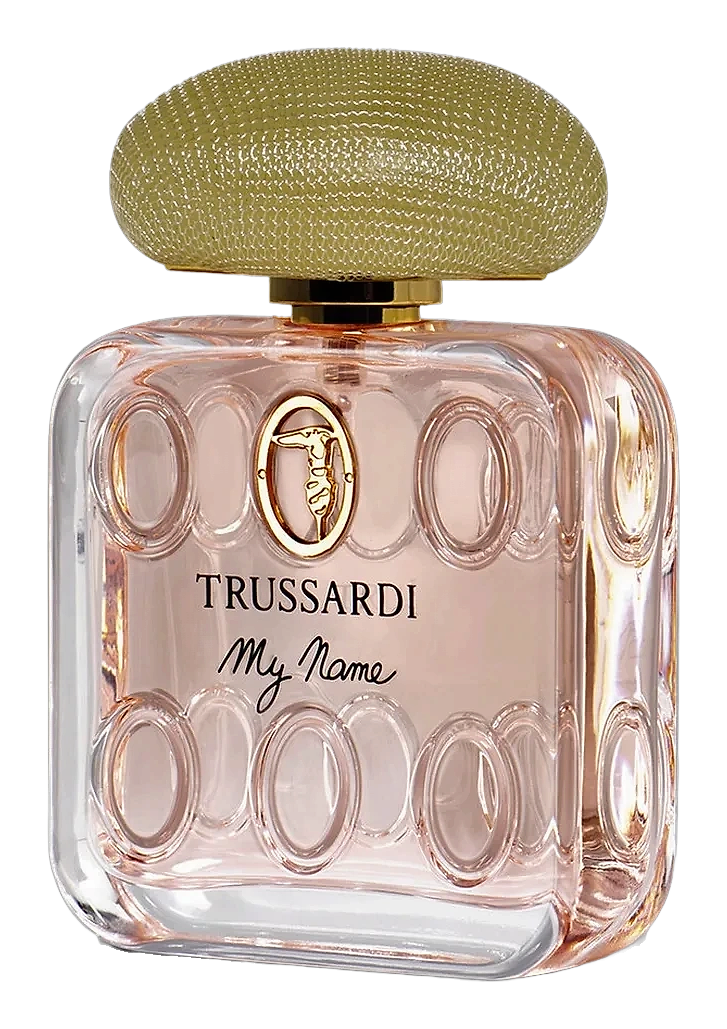
Fragrances featuring White Violet
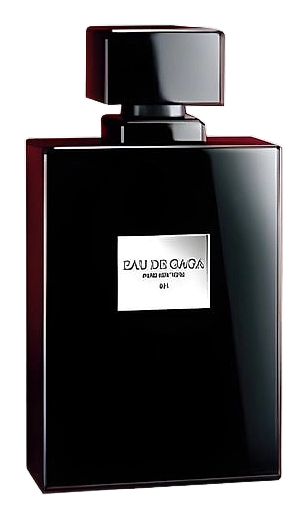
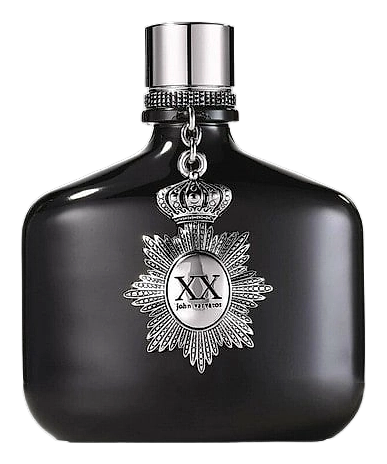
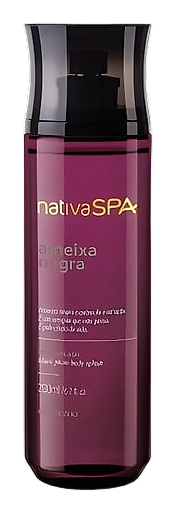
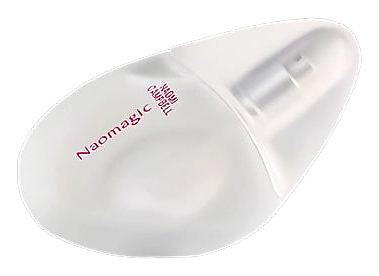
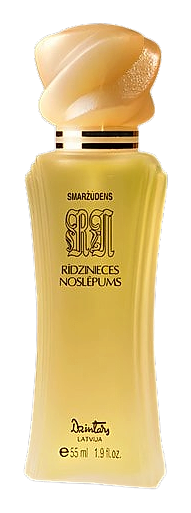
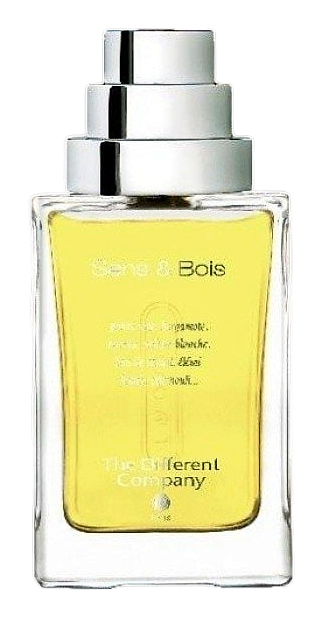
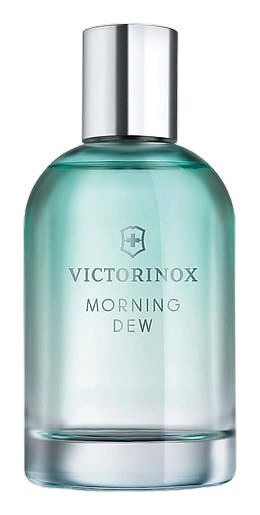
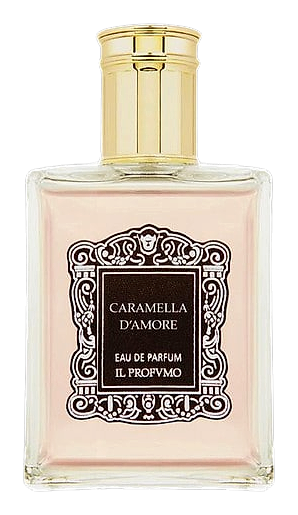
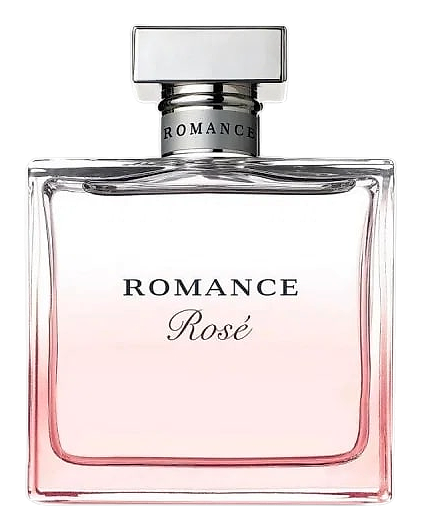
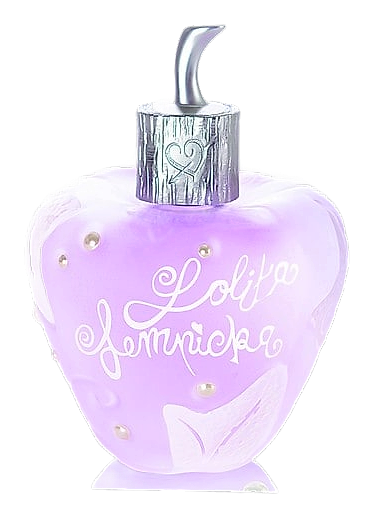
Brands
Brands known for White Violet
Good to know
Questions, answered
The essentials on White Violet in perfumery: how it smells, where it comes from, and how it behaves on skin.
What does white violet smell like?
White violet has a gentle, luminous floral scent with airy green nuances and subtle creamy freshness. It is less powdery than traditional violet, offering a clean, transparent sweetness that evokes delicate white petals.
Is white violet a natural or synthetic ingredient?
White violet is primarily synthetic. Natural violet extraction yields minimal material, requiring over 33,000 kg of flowers to produce 1 kg of oil. Modern perfumers construct the note using ionones, which capture violet's character reliably and sustainably.
What are ionones in perfumery?
Ionones are aromatic chemicals that provide violet's characteristic scent. The term derives from Greek 'iona' (violet) and 'ketone.' Beta ionone most closely mimics true violet, while alpha ionone adds depth and methyl ionones contribute woody, orris-like facets.
What blends well with white violet?
White violet pairs naturally with soft florals like iris and rose, green notes including galbanum, and musks for warmth. It also complements aquatic and transparent fragrance structures where its lightness adds brightness without weight.
When was violet fragrance first synthesized?
Chemists Tiemann and Kruger first described and produced ionones in 1893 using lemongrass and acetone. The following year, 1895, saw the launch of Vera Violetta by Roger et Gallet, the first commercial perfume built on synthetic ionones.
Which classic perfumes feature white violet?
Notable fragrances using ionones include Guerlain L'Heure Bleue, Chanel No. 19, and Frédéric Malle's Lipstick Rose. These compositions demonstrate violet's versatility from powdery romantic scents to modern transparent florals.
Why was violet perfume historically so expensive?
Violet was once prohibitively costly because Viola odorata yields minimal fragrance oil. Extracting 1 kg required processing over 33,000 kg of flowers, making natural violet perfume a status symbol associated with royalty before synthetic alternatives emerged.
What is the origin of white violet in perfumery?
White violet traces to Viola odorata, native to Eurasia and extensively cultivated in Grasse, France. The region became the center of violet perfumery in the 19th century, though modern white violet notes rely on synthetic ionones developed in Germany in 1893.



