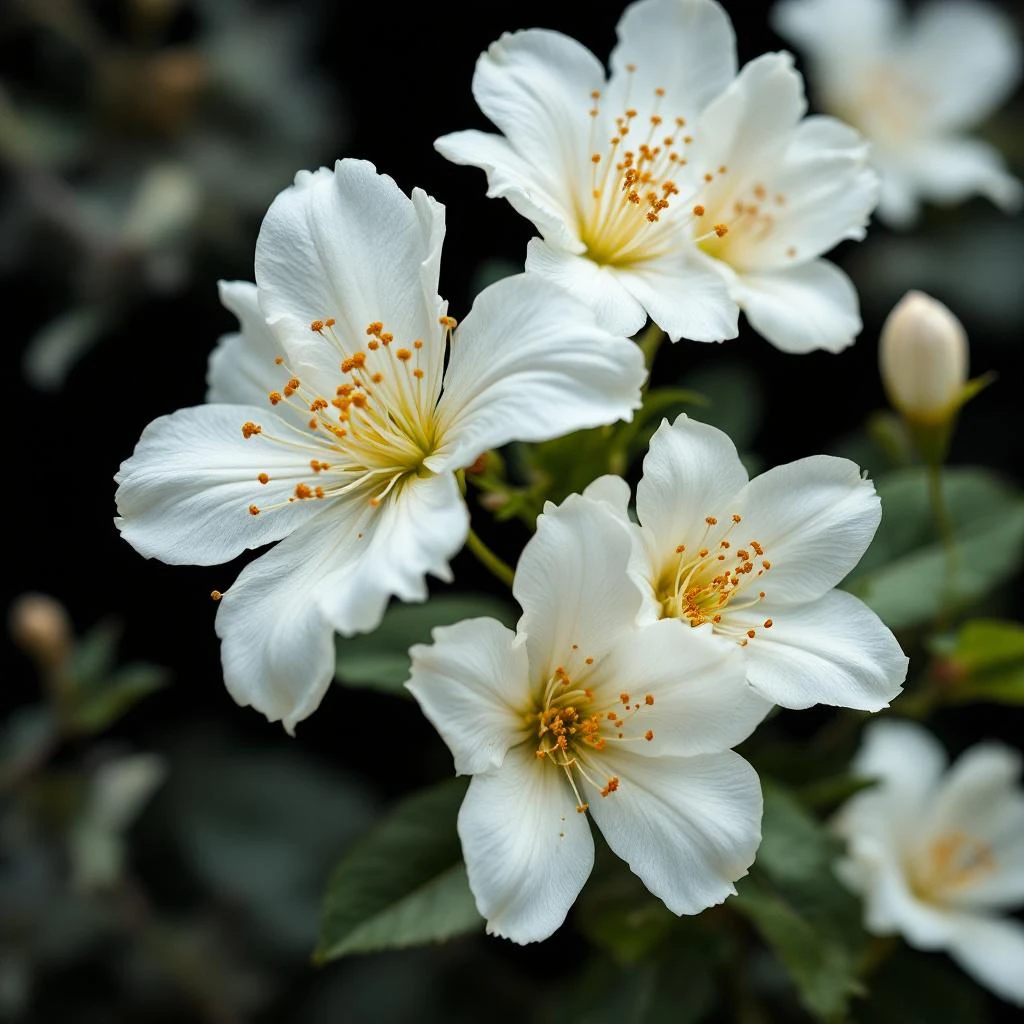
Yellow Freesia
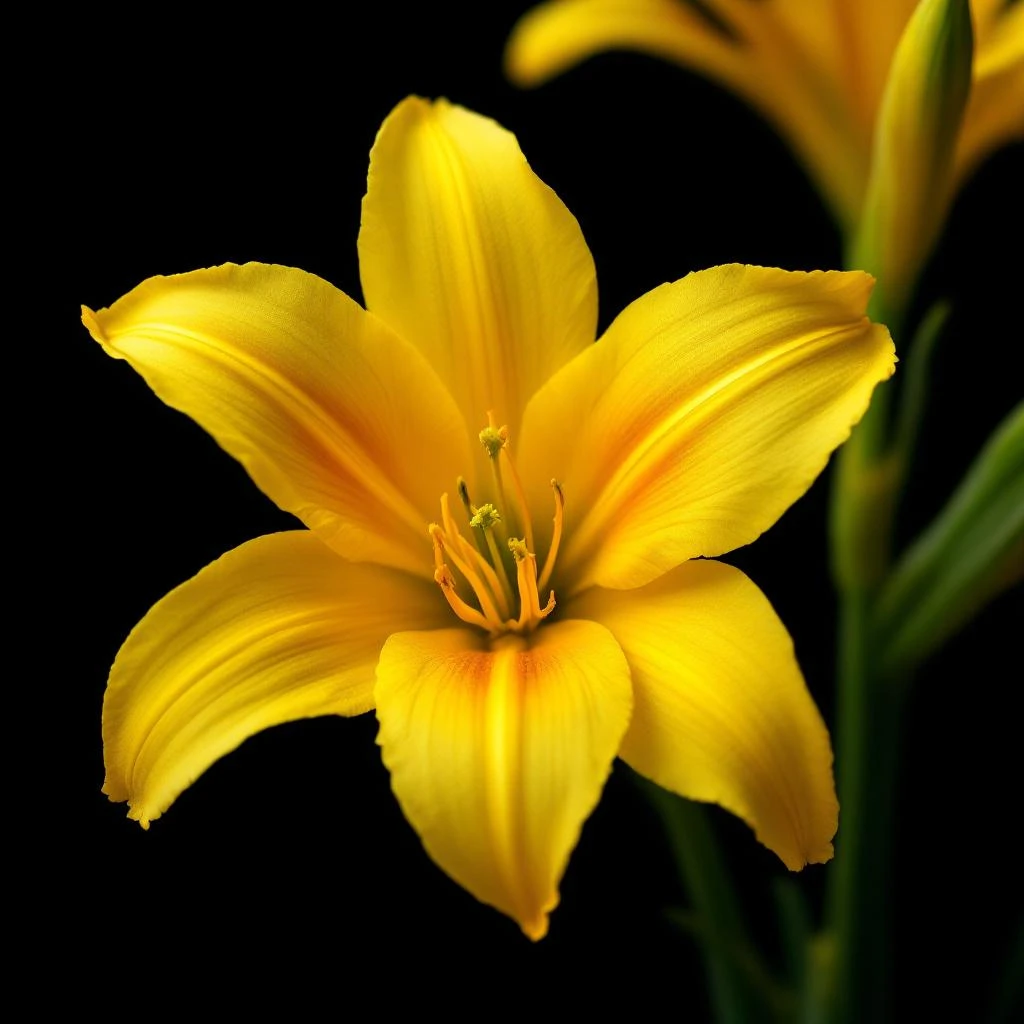
Yellow Freesia refracta offers a gentle, light, peppery sweetness with a vernal freshness that has captivated perfumers for centuries—yet this beloved note exists only as a synthetic reconstruction, never naturally extracted.
Character
How it smells
The flower that never was, except in a chemist's imagination.
Christian Friedrich Ecklon named freesia in 1866 to honor his friend Friedrich Heinrich Theodor Freese, a German doctor from Kiel.






Origin
South Africa
Freesia refracta arrived in Europe around 1766, gracing French and Italian court gardens where it became a symbol of youth and tenderness. The flower traces its roots to South Africa's Cape Floral Region, specifically the Western Cape Province, where botanist Christian Friedrich Ecklon discovered and named it in 1866 after his friend, German physician Friedrich Heinrich Theodor Freese. Despite two centuries of cultivation across European estates, perfumers never successfully incorporated freesia into compositions.
The breakthrough came with Antonia's Flowers, whose freesia-focused fragrances demonstrated the note's commercial viability. Today, yellow freesia remains the most popular variety, its gentle peppery sweetness evoking March air and spring renewal alongside muguet and mimosa.
Wears it best
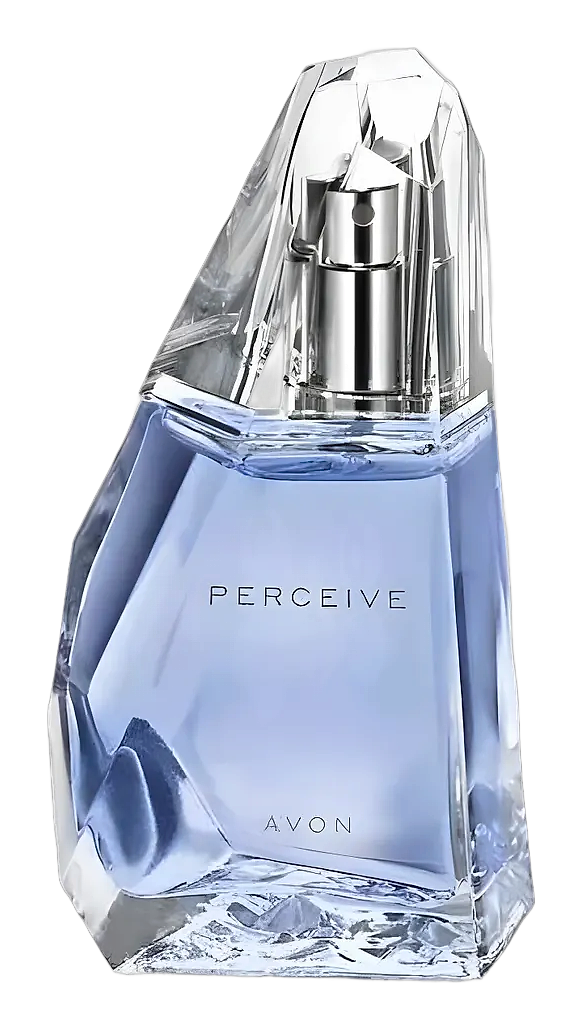
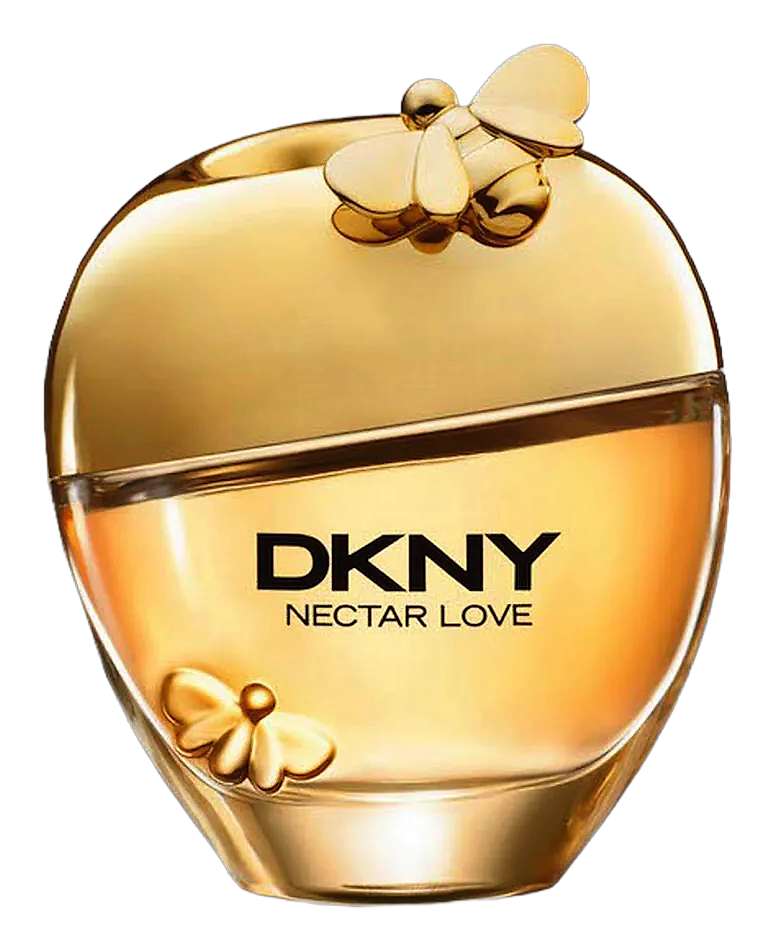
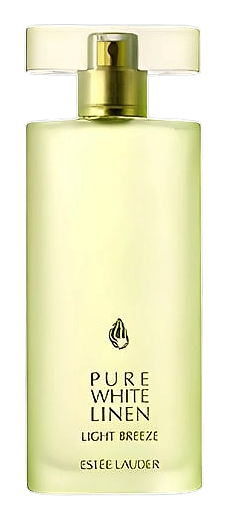
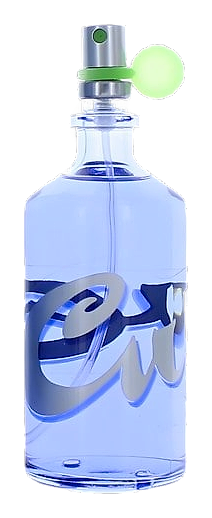
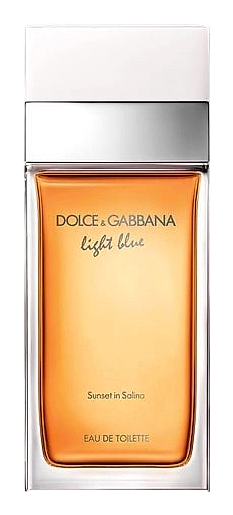
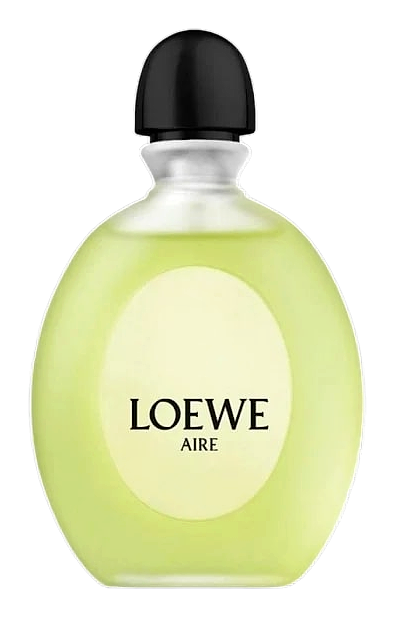
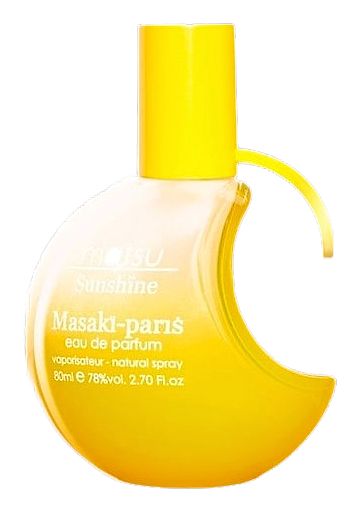
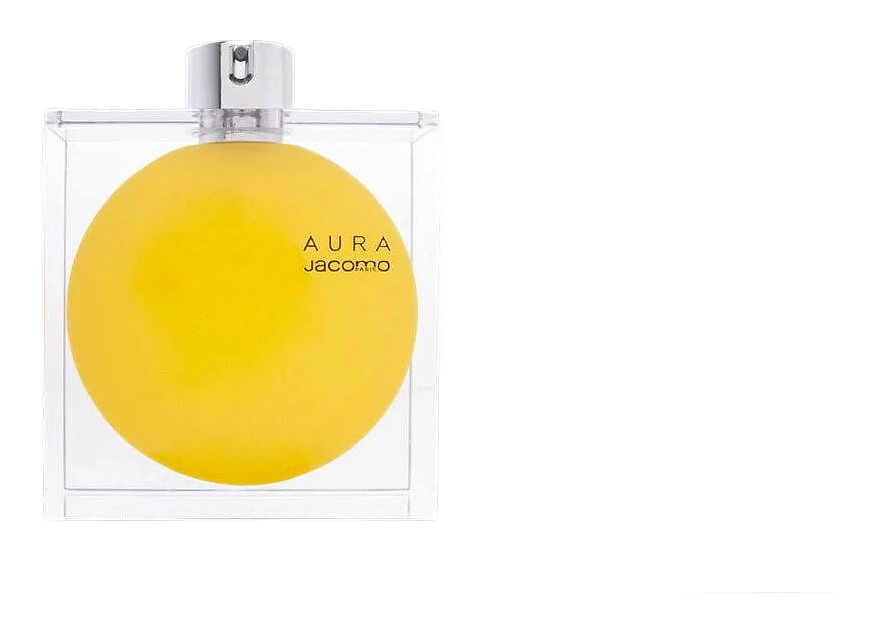
Fragrances featuring Yellow Freesia

Brands
Brands known for Yellow Freesia
Good to know
Questions, answered
The essentials on Yellow Freesia in perfumery: how it smells, where it comes from, and how it behaves on skin.
Is there natural freesia extract used in perfumery?
No. Freesia fragrance cannot be extracted naturally on an industrial scale. All freesia notes in perfume are synthetic reconstructions created from other aromatic molecules.
What does Yellow Freesia smell like?
Yellow Freesia refracta delivers a gentle, light, peppery sweetness with a characteristic nose-tingling freshness. Perfumer Alienor Massenet describes it as having green sweetness and airy floralcy reminiscent of jasmine and orange blossom.
Why did perfumers wait 200 years to use freesia?
Freesia appeared in European gardens in 1766 but resisted natural extraction. Without a viable source material, perfumers could not incorporate the note. Synthetic reconstitution technology eventually solved this problem.
What flower family does freesia belong to?
Freesia refracta belongs to the Iridaceae family, making it a relative of iris and crocus. It grows as a perennial bulb native to South Africa's Cape Floral Region.
Which fragrances feature notable freesia accords?
For women: Alaïa Paris and Alien Acqua Chic showcase freesia prominently. For men: Acqua Di Giò by Armani and Allure pour Homme by Chanel incorporate the note for freshness and brightness.
What is headspace technology and how does it relate to freesia?
Developed in the 1980s, headspace technology captures odor compounds present in the air surrounding an object. Researchers used it to analyze fresh freesias and identify the molecules perfumers needed to recreate the scent synthetically.
Is Yellow Freesia the most popular freesia variety?
Yes. Yellow Freesia refracta is considered the most popular variety among the white, yellow, pink, red, and purple shades available. Its scent carries that distinctive vernal, almost peppery freshness.
Can I grow Yellow Freesia for its scent?
Fresh-cut Yellow Freesia emits a radiant, sweet, and citrus-tinged fragrance that fills rooms. However, that living garden scent cannot be captured and used in perfumery—only synthetic reconstruction serves that purpose.