The Story
Why it exists.
The beginning
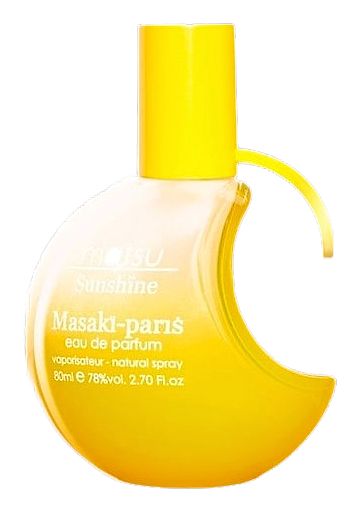
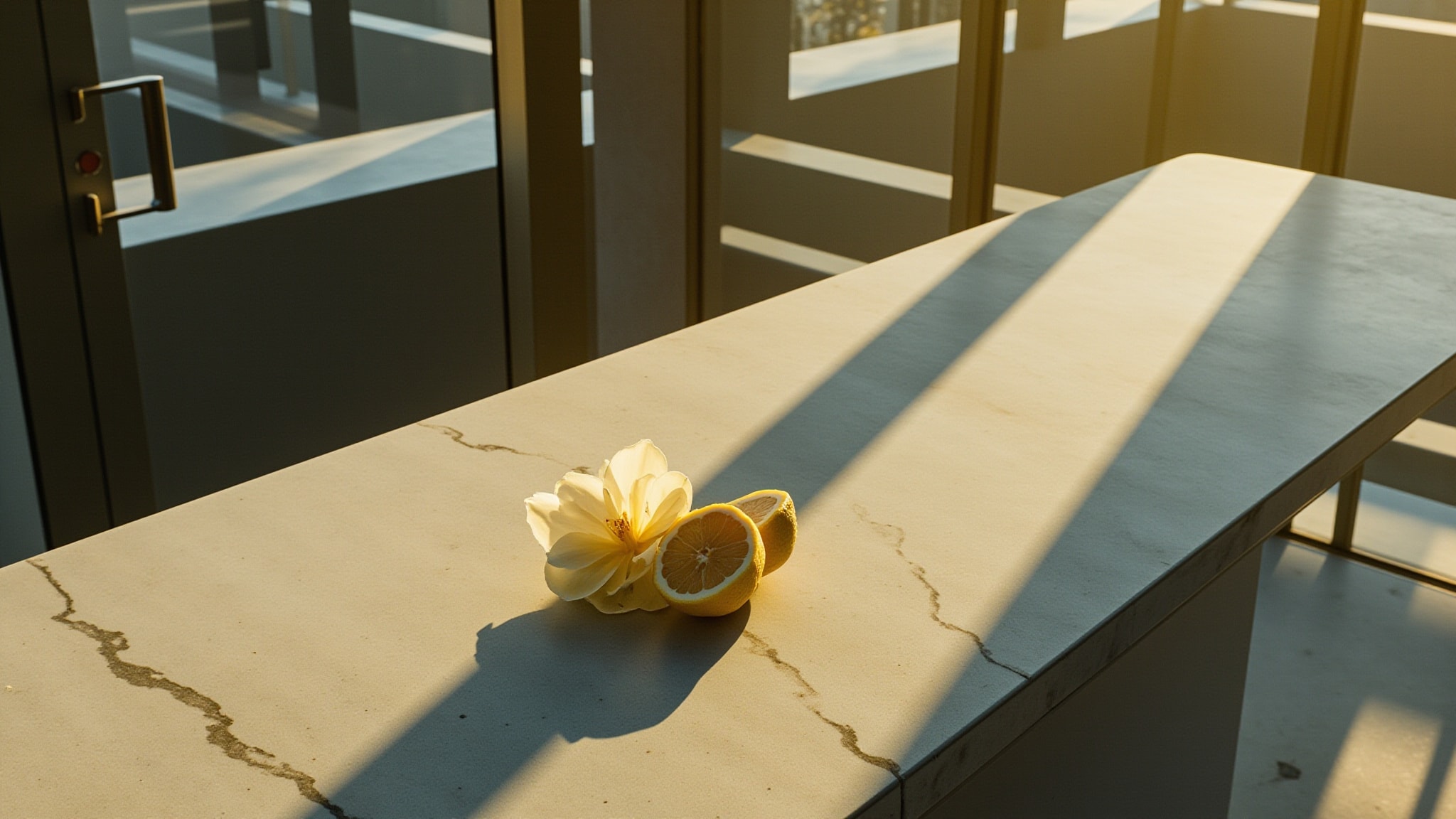
Matsu Sunshïne arrived in 2021 as part of a fragrance line built on restraint and visual logic. The brand assigns each scent a hue, a single colour that anchors the entire concept, and lets that guide the olfactory story. For Sunshïne, the cue was light: the saturated warmth of a Japanese summer sun pressing against glass. The perfumers, Jérôme Di Marino and Jean Jacques, translated that into a composition that opens with the immediacy of citrus fruit in a bright kitchen, fig adding its green milk, davana grounding the top with a faint herbal edge. The florals follow, not as decoration but as the main event.
The heart is where this fragrance earns its name. Frangipani and ylang-ylang form a creamy, almost intoxicating bloom, tropical in the way a greenhouse is tropical, humid and alive. Yellow freesia adds a cooler note, an airy lift that stops the richness from becoming heavy. Jasmine binds everything together with its familiar white-floral warmth. The base, musk, sandalwood, ambroxan, doesn't project so much as settle. It's the warmth that stays after the florals fade: skin-like, mineral, intimate. This is the part people come back to.
The evolution
The opening hits within seconds. Lemon zest, fig milk, a davana note that adds herbal complexity beneath the fruit. The citrus doesn't hang around long, 15 minutes at most, before the florals take over. What arrives is creamy and tropical: frangipani leading, ylang-ylang following close, jasmine tying the heart together. This is the fragrance's sun-drenched middle act, and it's where most people decide whether they love it. The drydown shifts the register entirely. Sandalwood and ambroxan arrive quiet, musky, mineral, that moment when the light turns golden and the air gets cooler. The florals fade. The warmth stays. Several hours in, it reads as skin, not perfume. The kind of scent someone leans in to find.
Cultural impact
Matsu Sunshïne arrived in 2021 during a period when Japanese fragrance houses were reasserting their identity in a global market dominated by niche European brands. Masaki Matsushima, established in 1992, positioned this release as part of a return to the brand's core philosophy of colour-coded, minimal compositions. The timing coincided with growing consumer interest in East Asian fragrance traditions, particularly the Japanese concept of 'ma', the beauty of negative space and subtle presence. The 2021 launch reflected a broader cultural moment when Western audiences were developing appreciation for restraint over sillage, clean textures over complexity, and the specific brightness of summer florals associated with Japanese perfumery.