
The Story
Why it exists.
The beginning
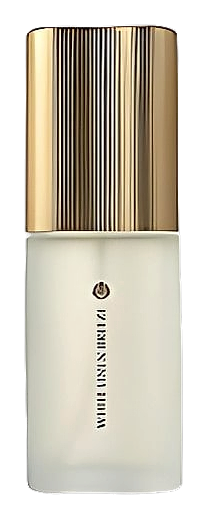
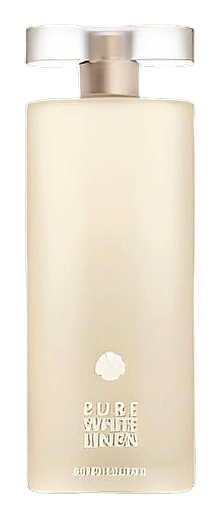
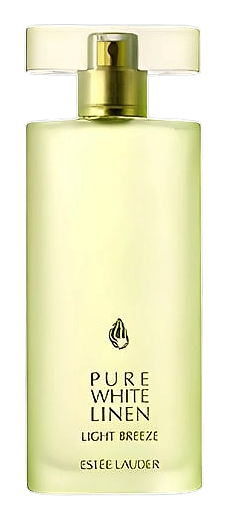
Pure White Linen arrived in 1992 as Estée Lauder's modern interpretation of the classic aldehydic floral. Light Breeze, launched in 2007, extended that lineage with a focus on the sensory experience of fresh laundry. The concept was simple: capture the feeling of sun-warmed linen, white fabric dried in open air. The perfumer's intent was clear, bottle the sensation of clean, sun-kissed fabric, not just its scent. Pure White Linen Light Breeze is the olfactory equivalent of sheets hung on a line at noon, the slight warmth they carry when brought inside, the way they smell like nothing and everything at once.
Most summer fragrances are forgettable. Light Breeze isn't. While the 2007 market overflowed with fresh aquatics and citrus florals, this one found its own space through honeyed florals and tea. The Darjeeling tea note is the quiet differentiator, it adds a sophistication that prevents the composition from reading as purely seasonal. The acacia honey in the base gives the drydown real depth, making this more than a passing breeze. It's the kind of fragrance that earns its place in a rotation precisely because it doesn't try too hard.
The evolution
The opening is a burst of sparkling citrus, white grapefruit, orange zest, kumquat, that immediately recalls the hiss of a just-opened can of soda. It's bright, it's immediate, and it reads as genuinely effervescent. The bergamot arrives within minutes, softening the edges slightly while keeping the lift. Then the tea shows up, and that's when things get interesting. The citrus doesn't disappear. It softens. Becomes the background hum of a composition that keeps unfolding. On some skin, this fragrance does something unexpected, the tea note strengthens, becoming more present as the florals fade. It's the same bottle, but it reads differently. That's the mark of a well-constructed fragrance. Hours later, on fabric, there's still something there. A faint warmth. Honey and cedar, close to the thread.
Cultural impact
Light Breeze found its audience among women who wanted sophistication without loudness. Released in 2007, it carved its own space in a crowded summer market through honeyed florals and tea rather than the prevailing aquatics. The fragrance has earned solid community ratings, 6.8 for scent, 6.6 for longevity, though user reviews split more decisively. Many praise its fresh, elegant character and quality ingredients. Others note the citruses can turn cheap after a few hours, and a few report it smells antiseptic on certain skin types. The neroli and osmanthus pairing is the real draw, worth exploring before committing to a full bottle.