Acacia Honey
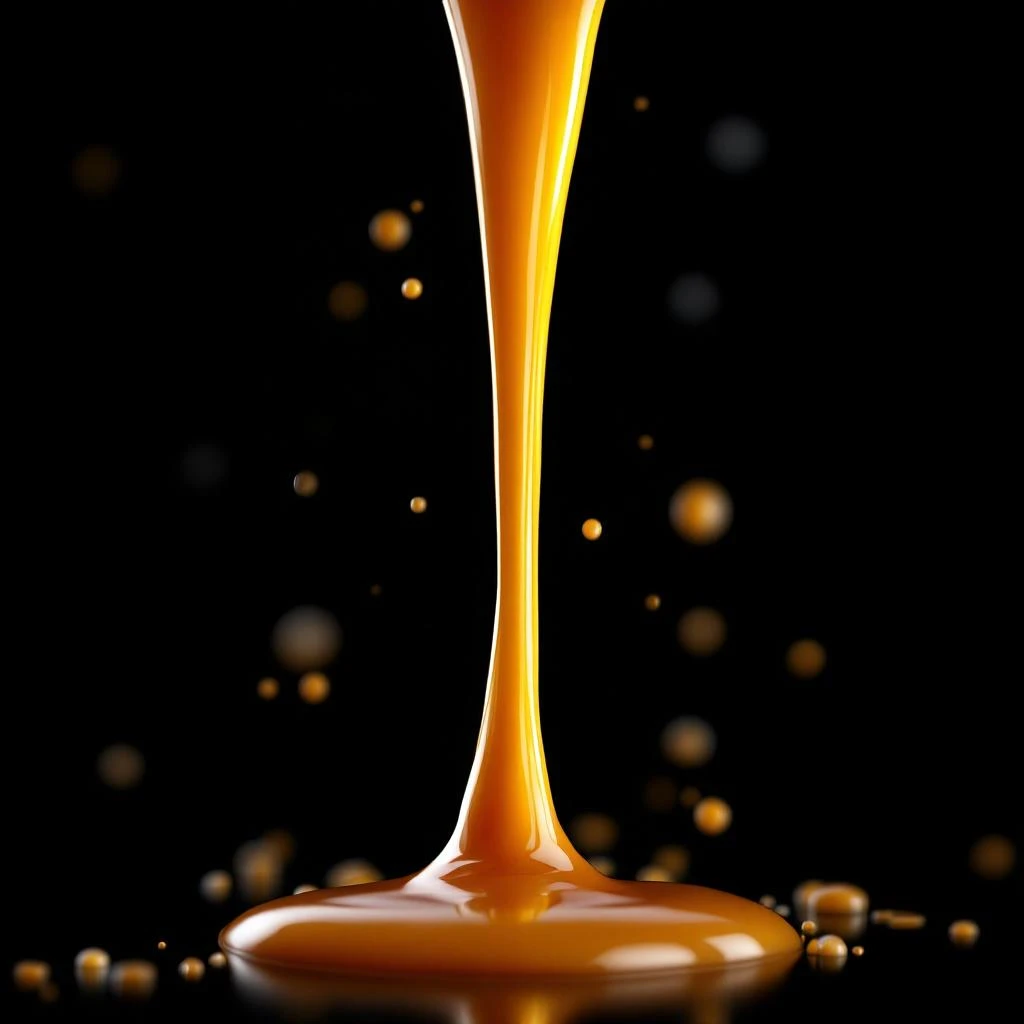
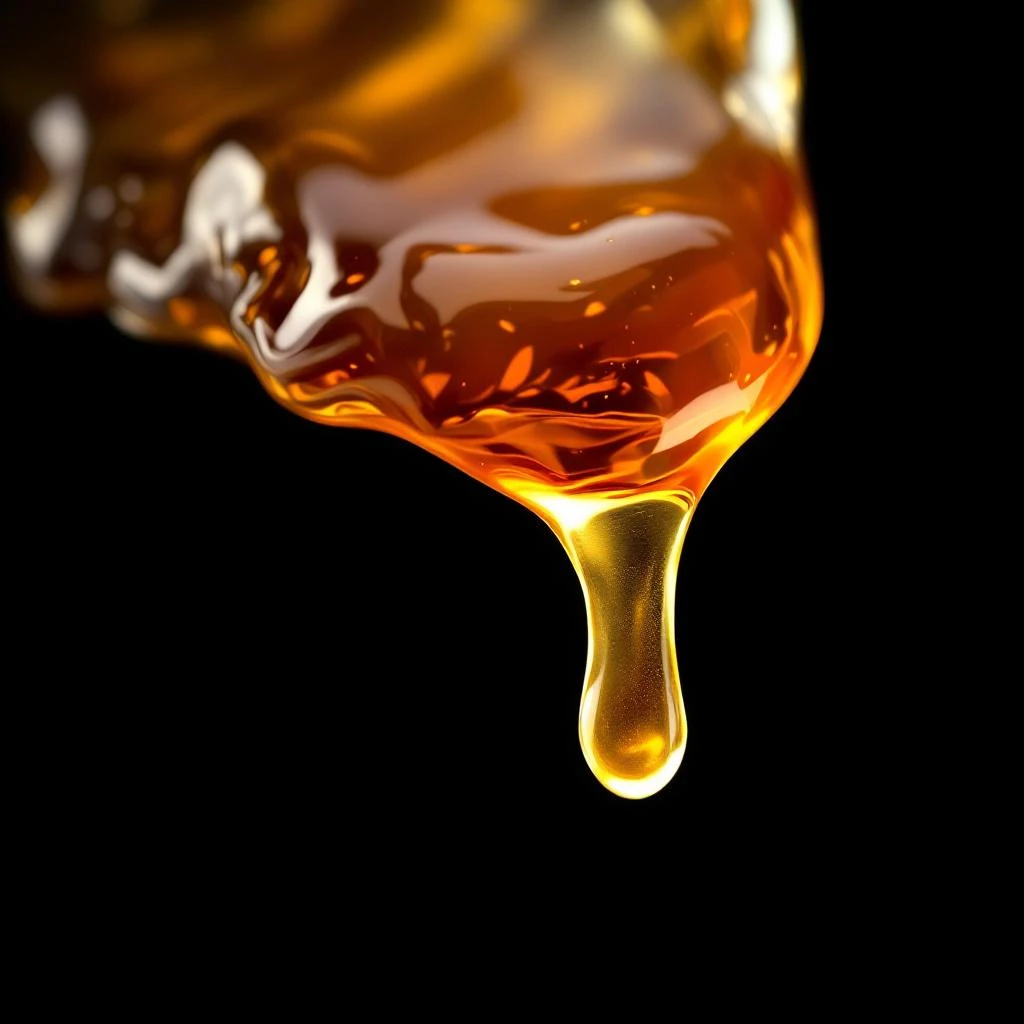
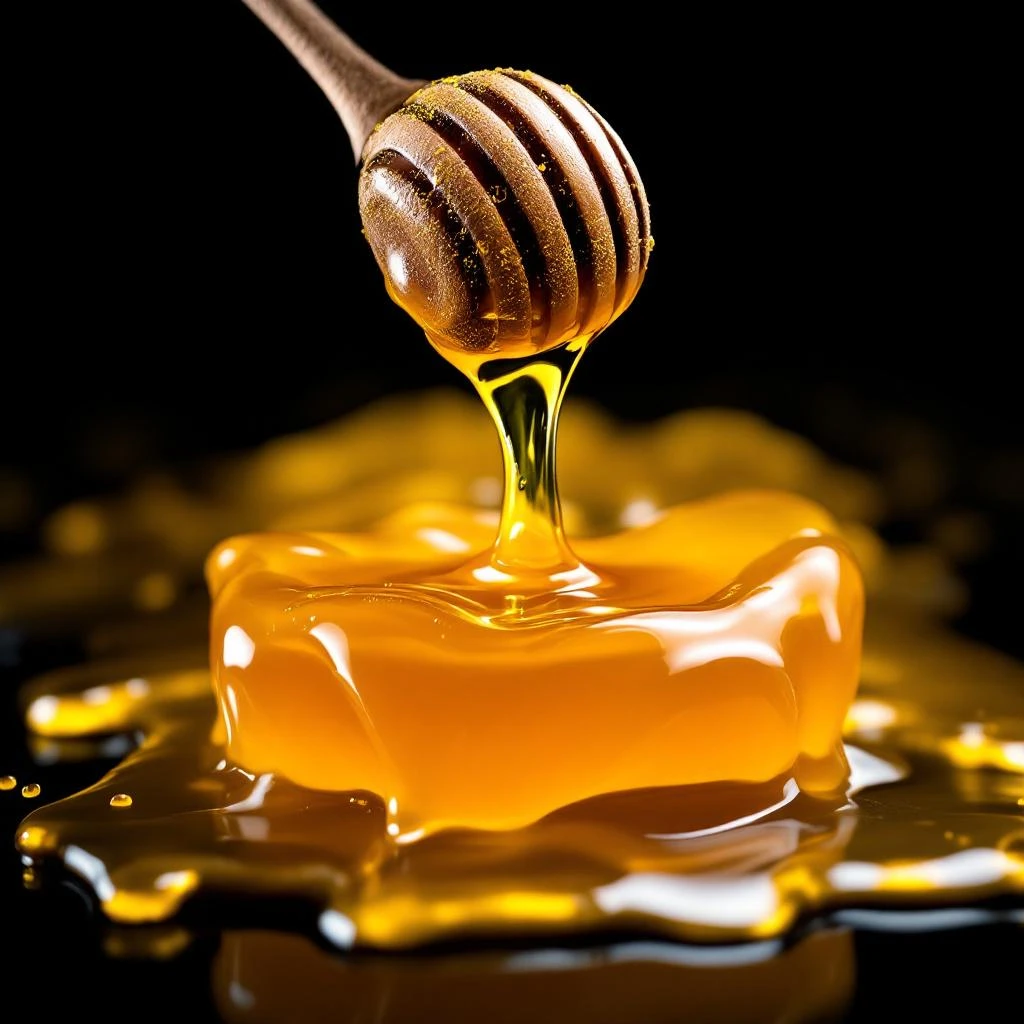
Bees transform acacia nectar into one of perfumery's most coveted ingredients. Acacia honey brings warm, honeyed sweetness with subtle ambery depth to luxury fragrances.
Character
How it smells
Warm honeyed sweetness with subtle ambery depth
The black locust tree blooms for just two weeks annually, making acacia honey one of the rarest single-origin honeys in the world.









Origin
Hungary
The acacia tree held deep significance in ancient cultures. Egyptians and other civilizations used its resin for sacred incense, and the tree symbolized concepts of resurrection and immortality.
In perfumery, acacia honey emerged as a notable ingredient during the 20th century, valued for its distinctive honeyed, ambery qualities. The black locust tree, scientifically known as Robinia pseudoacacia, is native to eastern North America and Southern Canada.
European forests proved ideal for its growth, and Hungary became a significant production center with extensive acacia groves blanketing the countryside. French beekeepers have long considered acacia honey one of the first honeys harvested each season, typically collected north of the Loire just weeks after the hawthorn bloom.
Wears it best
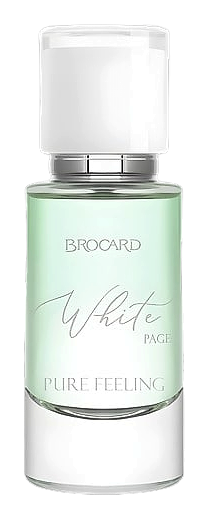
Fragrances featuring Acacia Honey


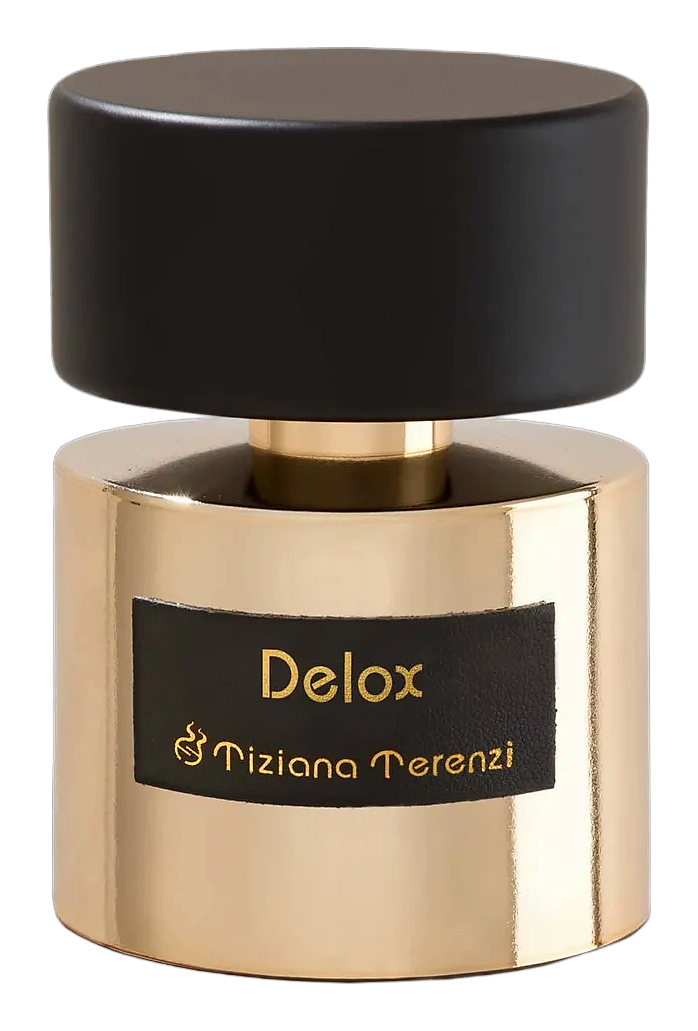
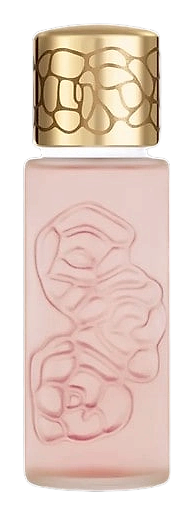
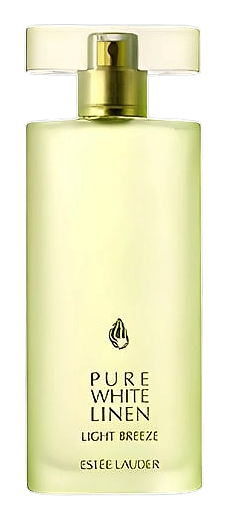
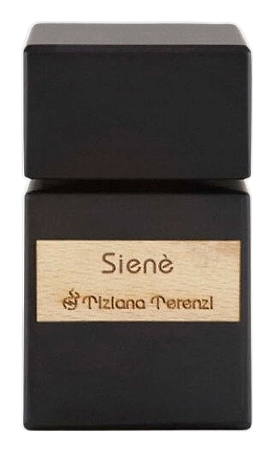
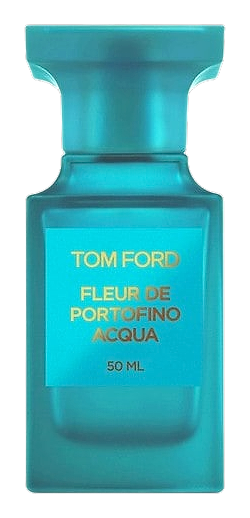
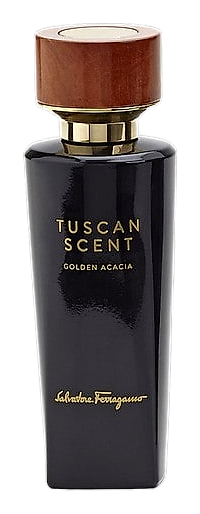
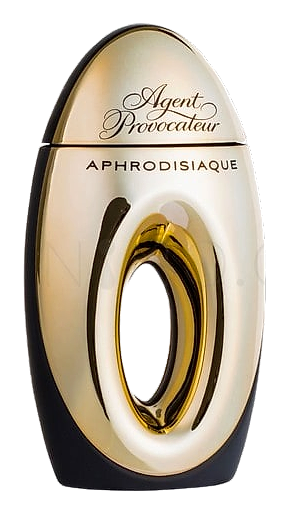
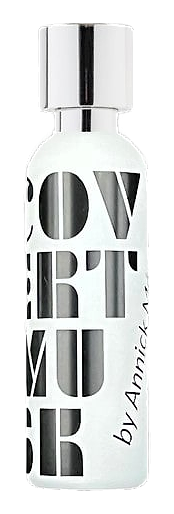
Brands
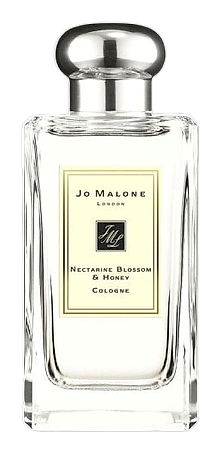
Brands known for Acacia Honey
Good to know
Questions, answered
The essentials on Acacia Honey in perfumery: how it smells, where it comes from, and how it behaves on skin.
What does acacia honey smell like in perfume?
Acacia honey brings sweet, floral notes with subtle citrus undertones to fragrance compositions. Its aroma remains light yet persistent, adding natural sweetness without heaviness.
Is acacia honey the same as regular table honey?
While both derive from bee-collected nectar, perfumery-grade acacia honey undergoes specific extraction to isolate volatile aromatic compounds for fragrance use.
What is the botanical source of acacia honey?
Acacia honey comes from the black locust tree, scientifically Robinia pseudoacacia. This species produces the distinctive floral nectar prized in perfumery.
What historical significance does acacia hold?
Ancient cultures used acacia resin in sacred incense. The tree symbolized resurrection and immortality across multiple civilizations before becoming a perfumery ingredient.
When did acacia honey become important in perfumery?
Acacia honey emerged as a significant perfumery ingredient in the 20th century, valued for its unique honeyed, ambery characteristics in fragrance creation.
Which countries produce the finest acacia honey?
Hungary leads production with vast acacia groves across its countryside. France, particularly north of the Loire, also produces highly regarded varieties.
Why is acacia honey considered rare?
The black locust tree blooms for only about two weeks each year. This narrow flowering window makes acacia honey one of the rarest single-origin honeys.
How do perfumers use acacia honey in compositions?
Perfumers value acacia honey for its ability to add sweetness, warmth, and subtle ambery depth to fragrance blends, particularly in oriental and amber-based compositions.