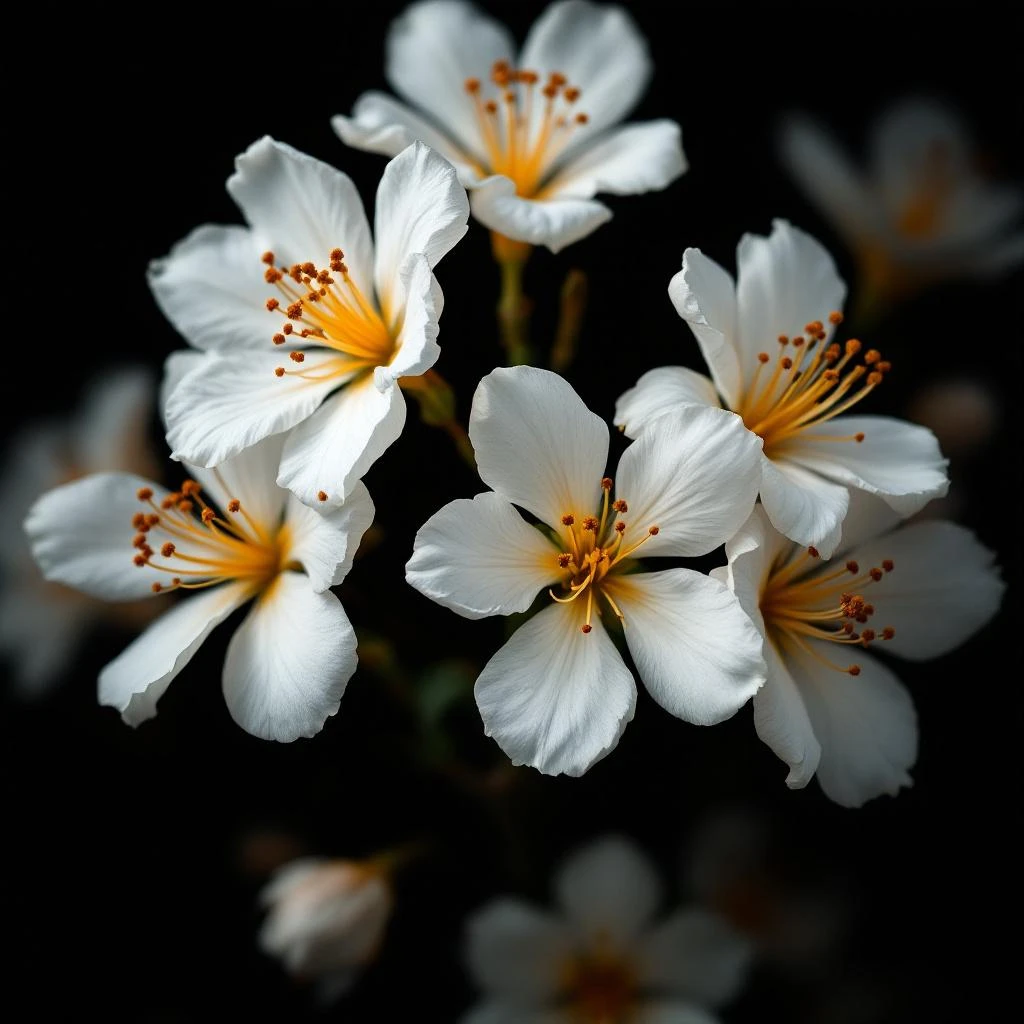
Kumquat
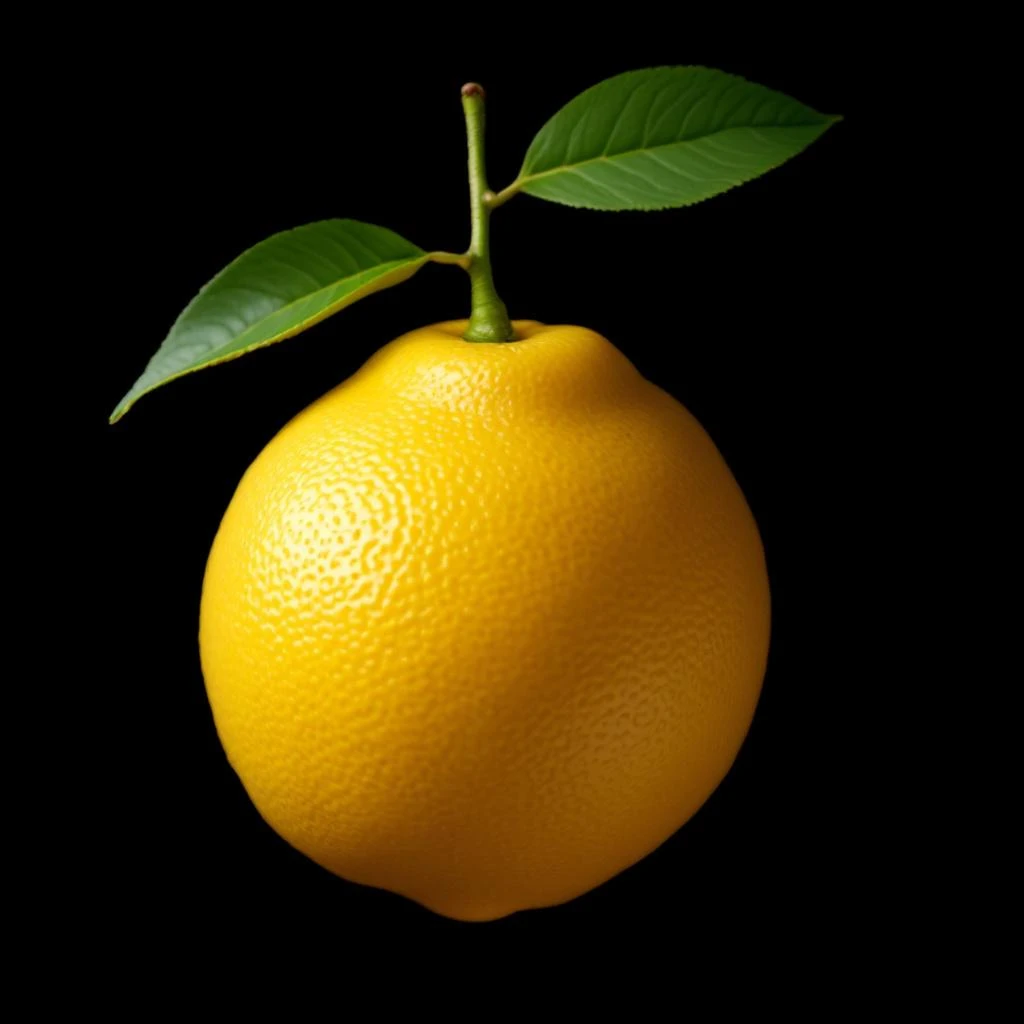
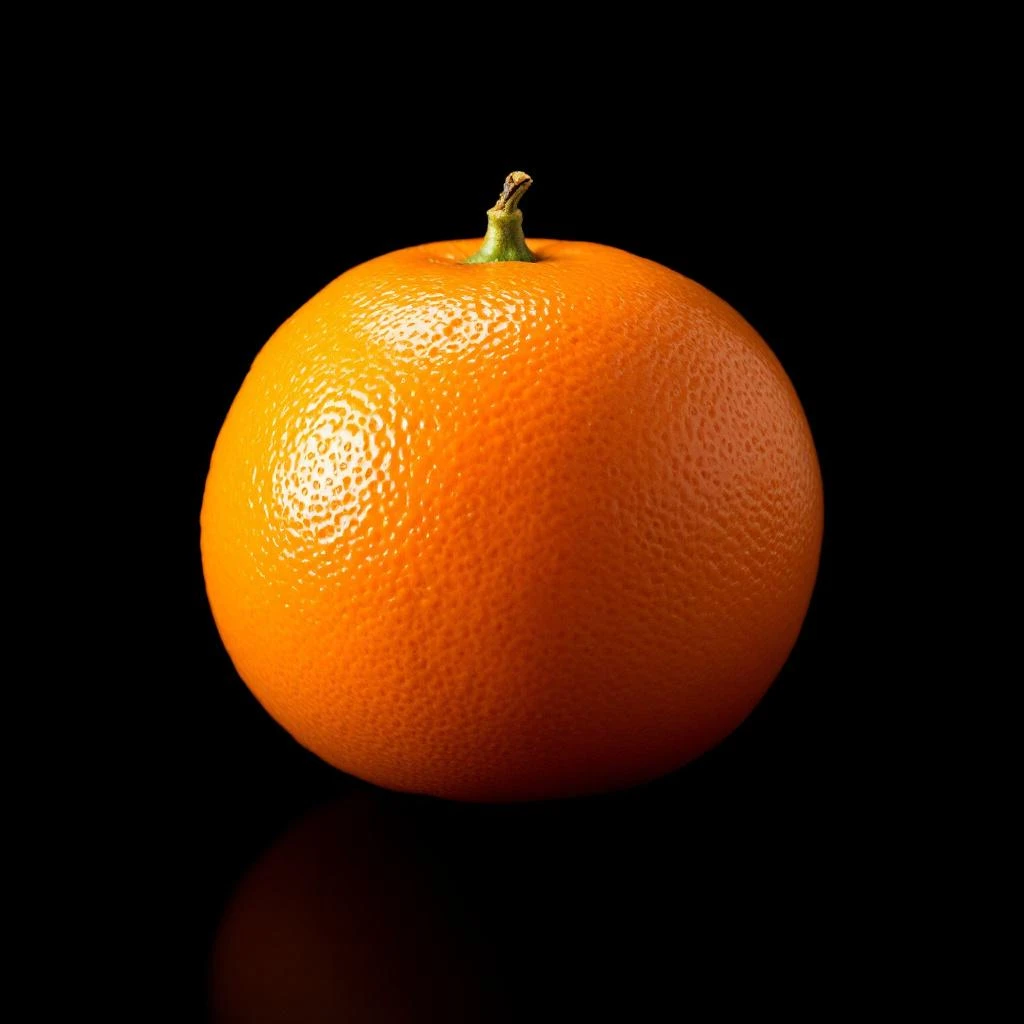
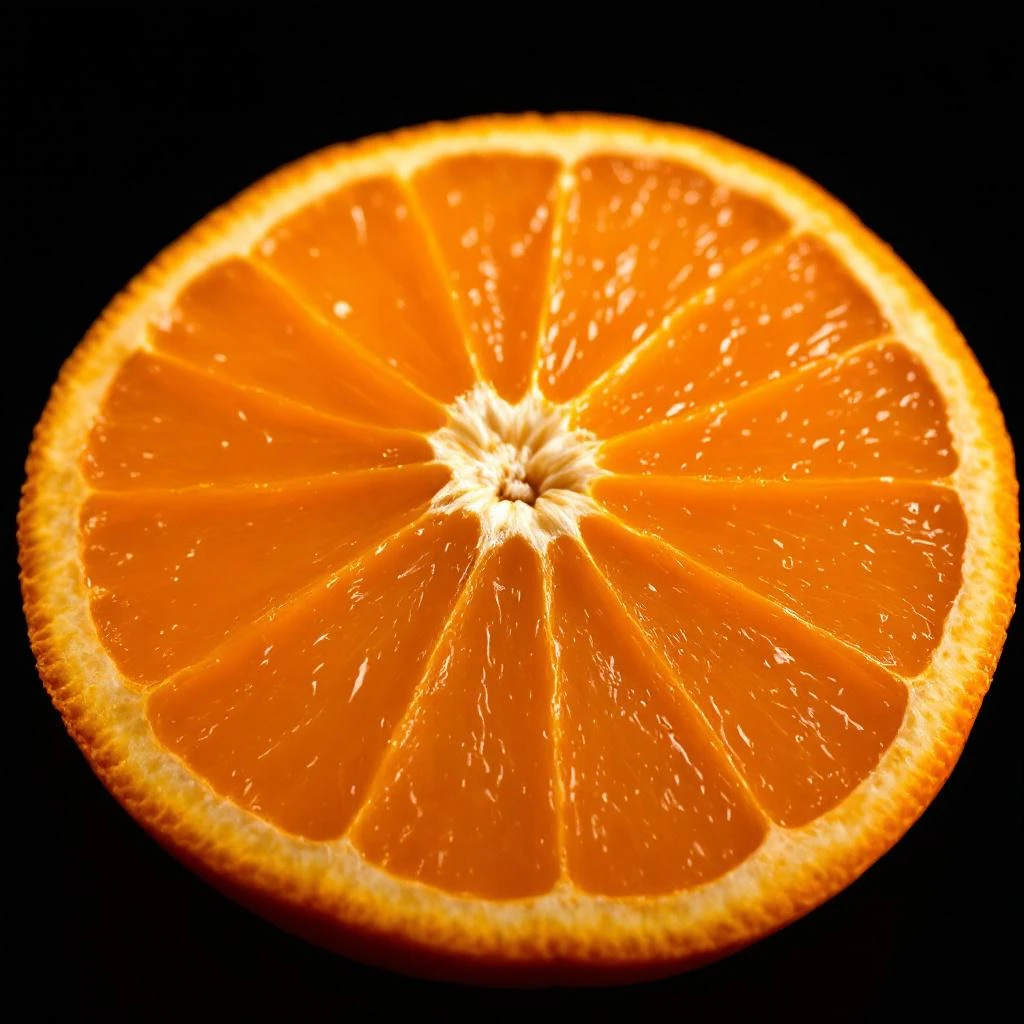
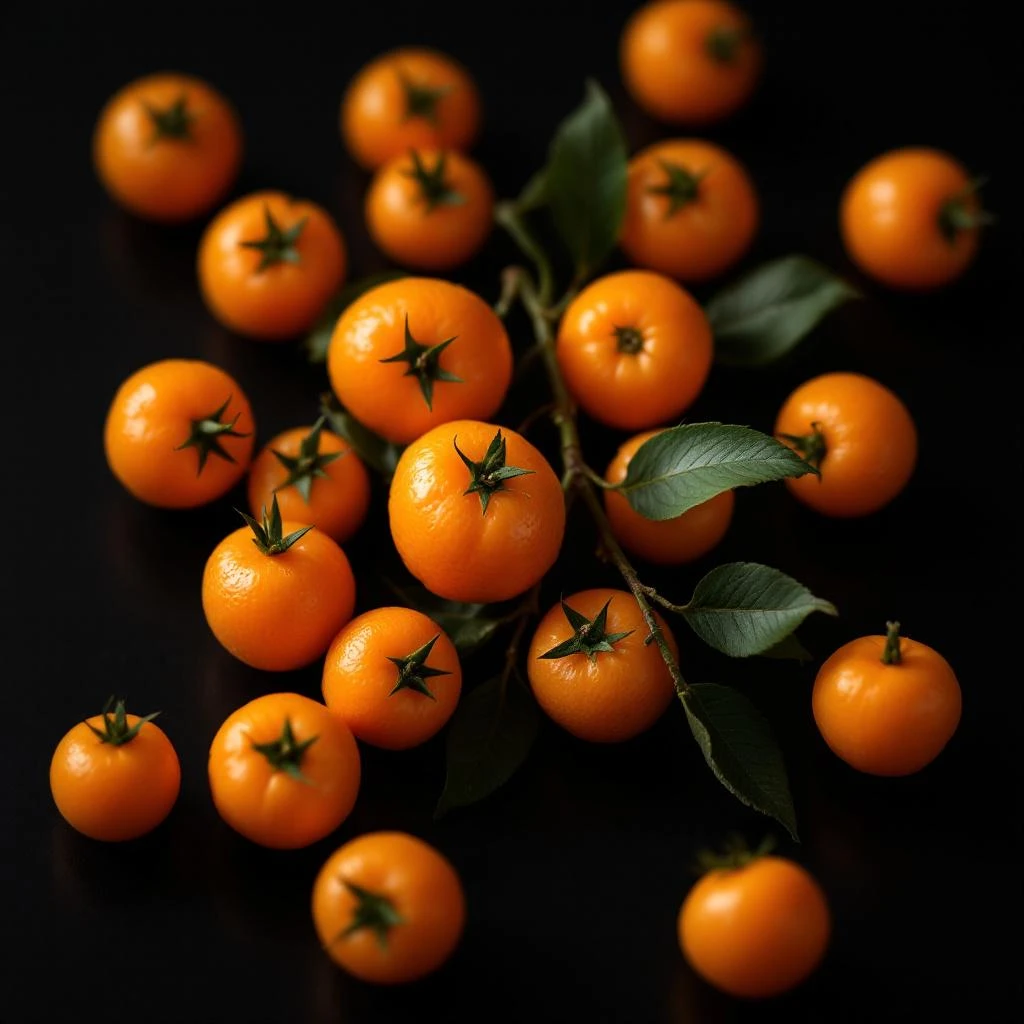
Bright and sparkling, kumquat delivers a tartness that cuts through heavier accords. This compact citrus fruit, native to the hills of southern China, offers perfumers a uniquely edible peel note that bridges sweetness and sharp acidity.
Character
How it smells
The tiny citrus that eats whole and smells extraordinary.
Unlike other citrus, kumquat peel is sweet enough to eat raw, making it the only fruit where the most fragrant part is also the tastiest.









Origin
China
Fortunella, the kumquat genus, takes its name from Robert Fortune, the Scottish botanist who introduced this fruit to European gardeners in the mid-1800s. Chinese cultivation dates to at least the 12th century, where growers prized the trees for ornamental bonsai potential and preserved the fruits in syrup.
Japanese gardeners developed hybrid varieties suited to cooler climates, calling the fruit "golden orange." While citrus has perfumed human spaces since Mesopotamian antiquity, kumquat entered Western fragrance work only after colonial plant hunters mapped global botanical diversity during the 19th century trade expansions.
Wears it best
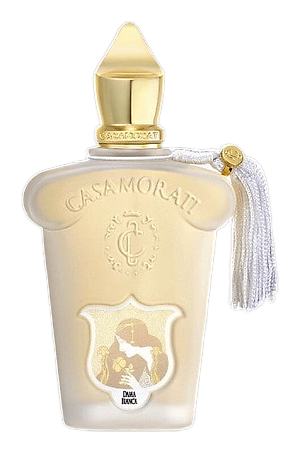
Fragrances featuring Kumquat

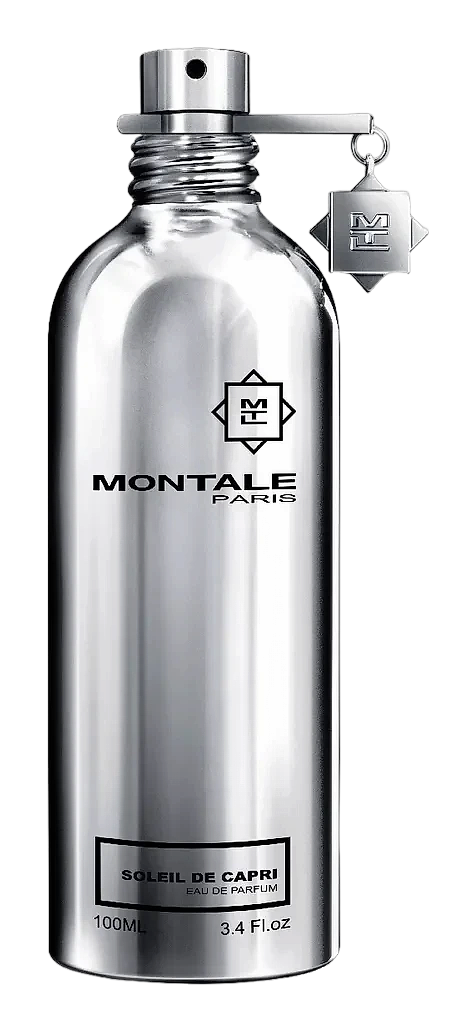
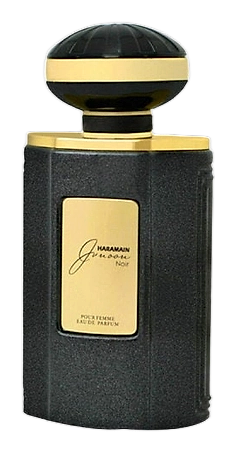
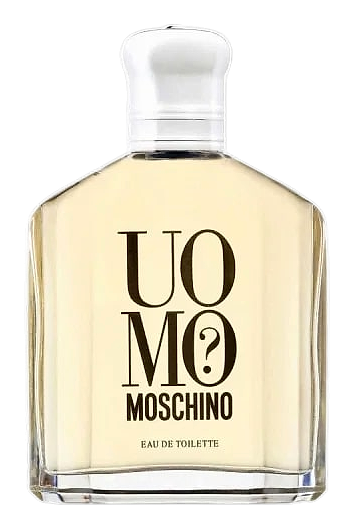

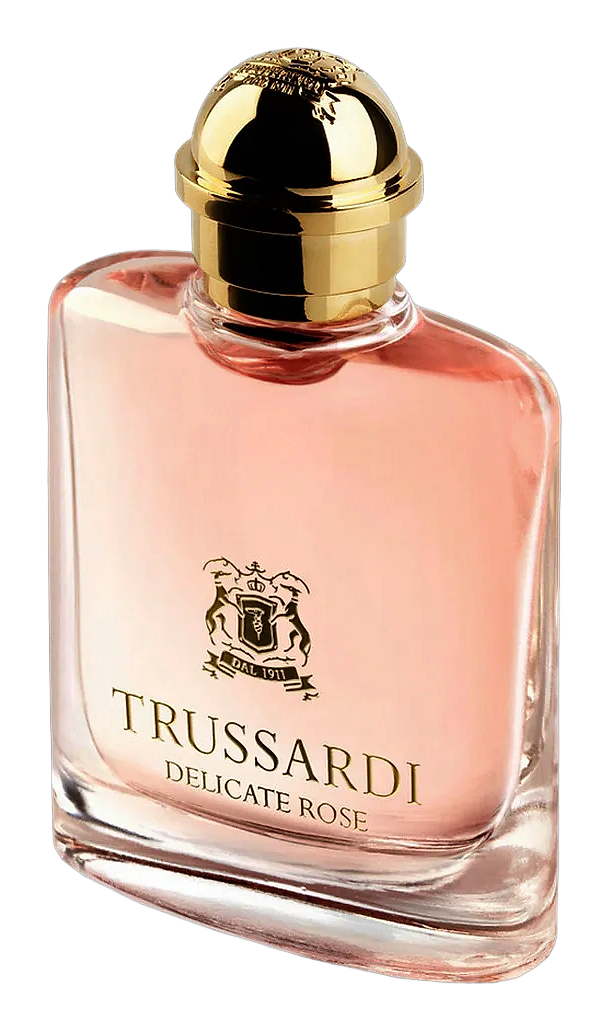
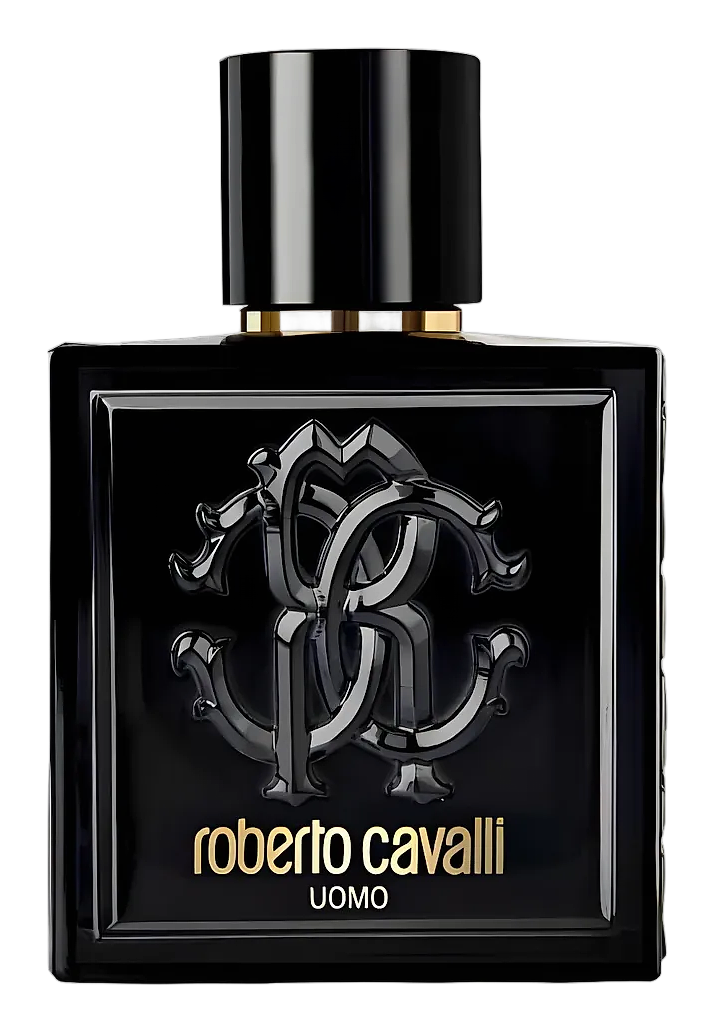
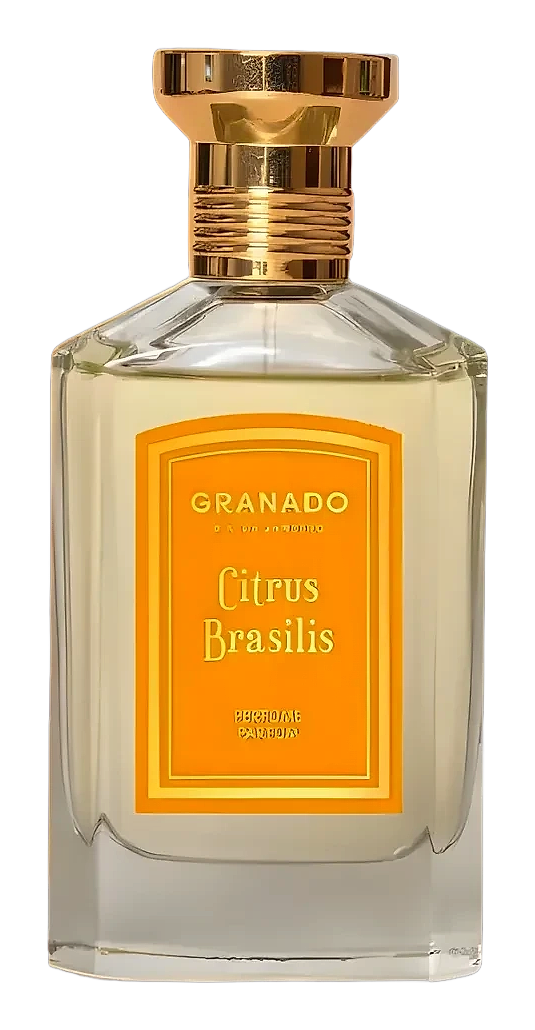
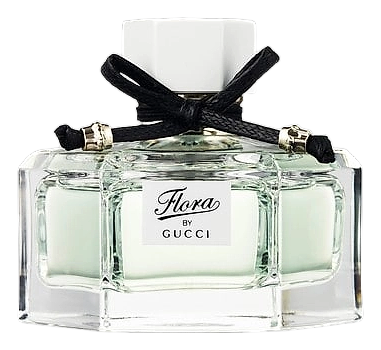
Brands
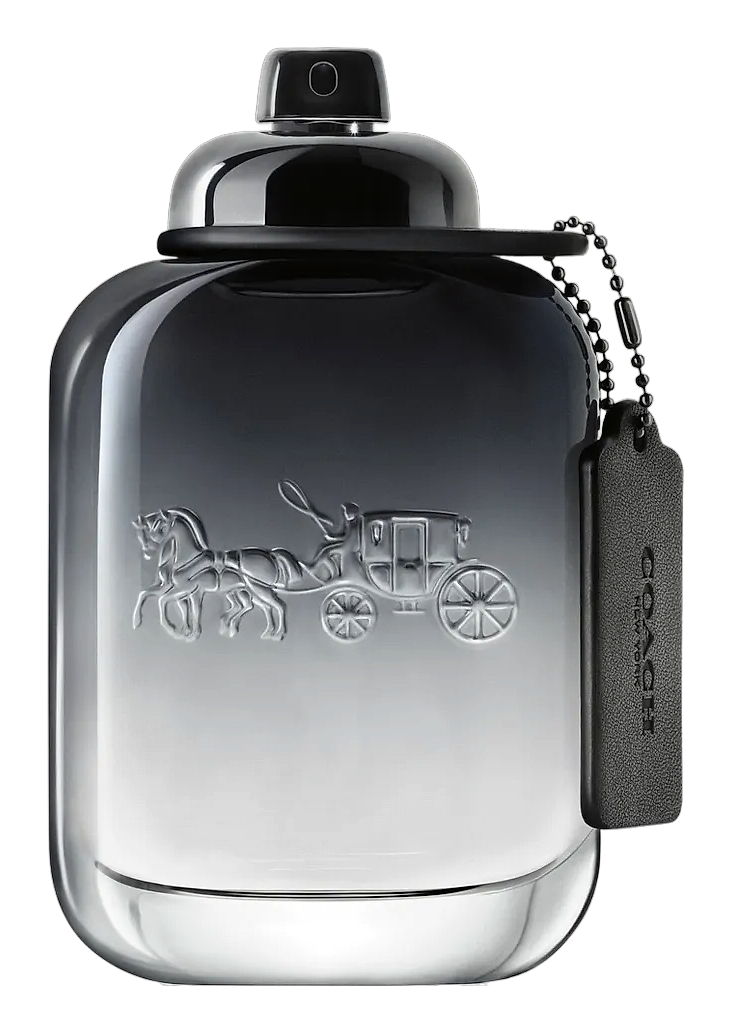
Brands known for Kumquat
Good to know
Questions, answered
The essentials on Kumquat in perfumery: how it smells, where it comes from, and how it behaves on skin.
What does kumquat smell like in perfume?
Kumquat has a bright, tart citrus scent with sweet undertones from the peel. It reads as sharper than orange but fruitier than bergamot, adding sparkling energy to top-note compositions.
Is kumquat used as a natural or synthetic ingredient in perfumery?
Kumquat exists in both forms. Natural cold-pressed kumquat oil captures the full complexity of fresh peel. Synthetic nature-identical compounds replicate specific aromatic molecules for cost and consistency.
What perfumes feature kumquat as a main ingredient?
Fragrances like Dolce and Gabbana Light Blue and Lacoste Eau de Lacoste Sport use kumquat in citrus-forward constructions where its tartness energizes the opening.
Does kumquat last long on the skin?
As a top-note citrus, kumquat volatilizes within the first 30 minutes. It serves as an initial brightener rather than a lasting base-note contributor.
What other ingredients pair well with kumquat in fragrance?
Kumquat combines naturally with marine accords, white florals like jasmine, and woody bases such as cedar. The tart peel note cuts through sweet heart compositions effectively.
Can I grow kumquat for fragrance use?
Ornamental kumquat trees grow successfully in Mediterranean climates and containers. Harvesting enough peel for home perfumery requires substantial quantities of fruit.
What is the difference between kumquat and other citrus notes?
Kumquat peel is edible and sweeter than bitter orange or bergamot. The fruit itself is tiny and oblong, unlike round oranges or lemons, giving the peel a denser, more concentrated oil profile.
Are there allergen concerns with kumquat in perfume?
Kumquat oil contains limonene and other citrus allergens regulated by IFRA. Perfumers list these compounds separately on ingredient labels for transparency.