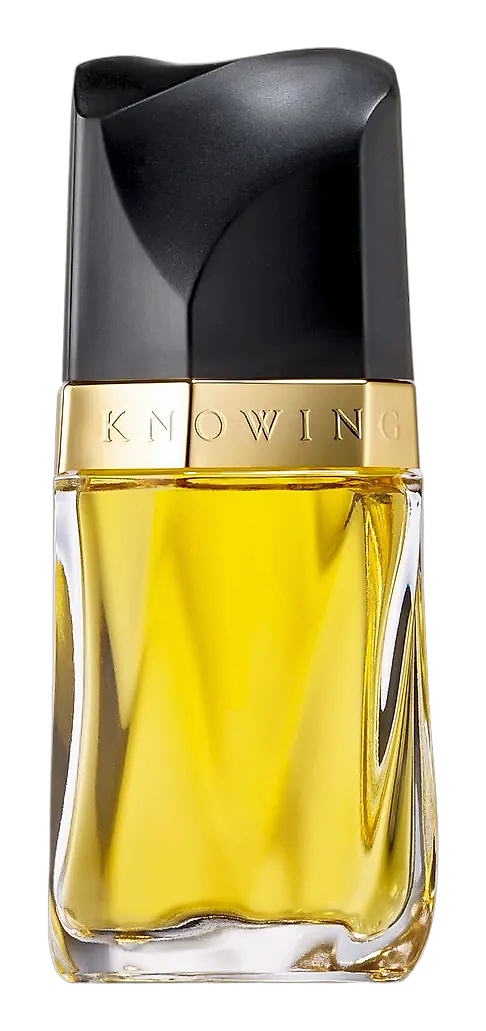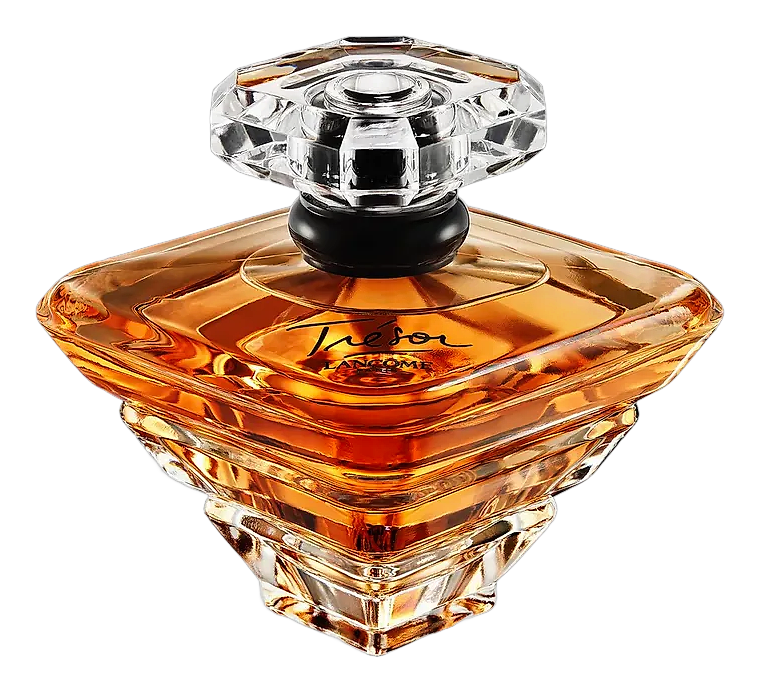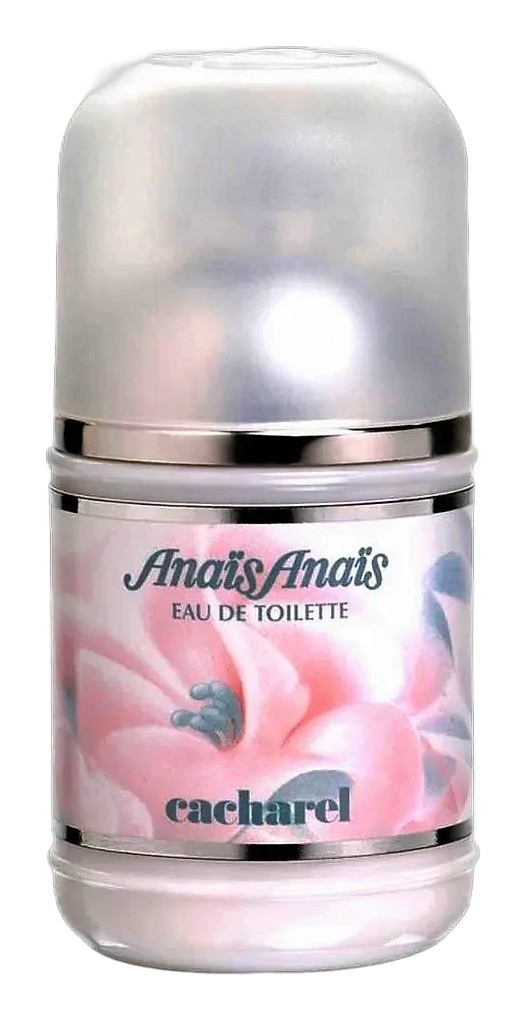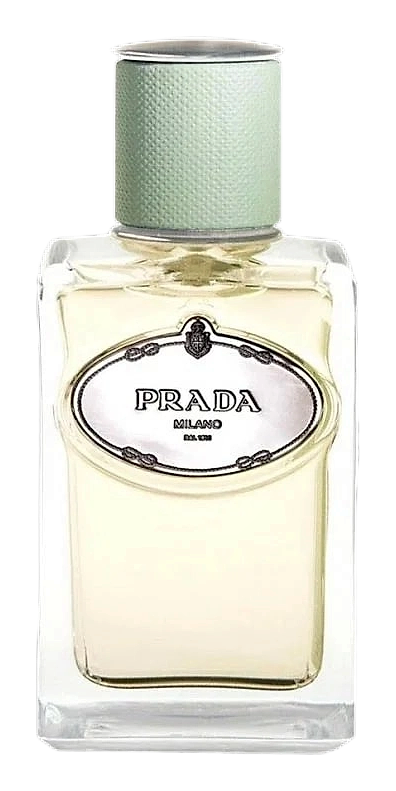

The Story
Why it exists.
The beginning
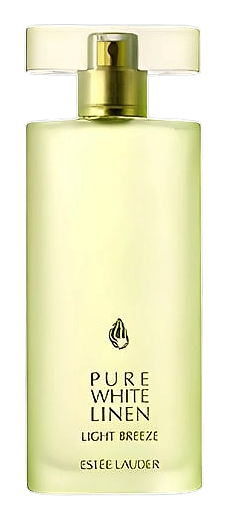
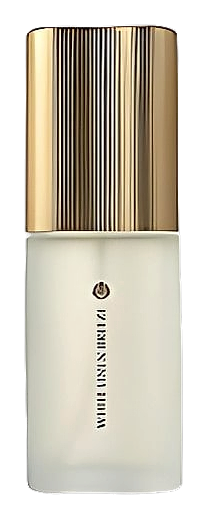
White Linen Breeze arrived in 1996 as a flanker to Estée Lauder's 1982 classic, but calling it a follow-up undersells what Sophia Grojsman attempted. The original White Linen was aldehydic and declarative, the kind of fragrance that entered a room before you did. Breeze strips that away. Not the DNA, still that clean, soapy, powdery aldehyde structure, but the volume. This was designed for the everyday. For someone who wanted the house's sophistication without the declaration. The name says it: not an arrival, a condition. Something you live in.
What makes the structure interesting is how Grojsman threaded freshness through the aldehydic chassis without losing what White Linen was. The green notes and marine accord in the opening aren't decorative, they're corrective. They cool the aldehydes, keep the top from reading as vintage, and give the composition its 1990s sensibility. The apricot and plum add a softness that the original lacked, a friendliness that invites daily wear rather than reserving the scent for occasions. It's the difference between a fragrance you admire and one you reach for.
The evolution
The opening is bright. Green notes first, then bergamot, then apricot and plum arriving just behind. The fruit isn't syrupy, it's the sweetness of skin warming in morning light. It reads fresh for the first thirty minutes, maybe forty-five, then the aldehydic structure starts to assert itself. The lily of the valley and jasmine arrive in the heart phase, and that's when the composition reveals its lineage to the original White Linen, that quiet, soapy, clean-laundry quality that Grojsman built her reputation on. The rose adds a softness, but this isn't a floral fragrance in the traditional sense. It's aldehydic first, floral second. By the third hour, the base notes arrive: osmanthus, musk, cedar. The drydown is intimate, close to the skin, and persistent. Vetiver keeps things grounded. Six to eight hours is the honest range, sometimes closer to eight on fabric. The next morning, there's a ghost of cedar and clean musk on whatever surface it touched. This is a fragrance that stays rather than announces.
Cultural impact
White Linen Breeze carved its place in the fresh-floral category as a wearable everyday option. It found its audience among women who wanted Estée Lauder's craftsmanship in something they could reach for without occasion, refined without effort, present without projection. The 1996 release brought the house's aldehydic heritage into a lighter register for daily wear.