
The Story
Why it exists.
The beginning
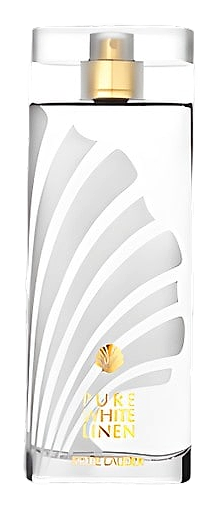
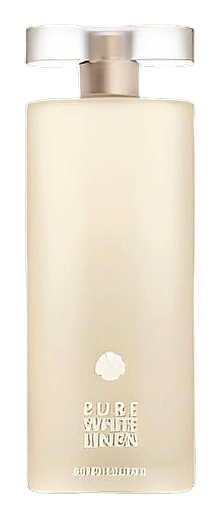
Yves Cassar built Pure White Linen in 2006 as a modern counterpoint to Estée Lauder's 1978 aldehydic landmark. Where the original leaned into the sharp romance of big florals, this version speaks a quieter language, one about the kind of morning that doesn't need witnesses. The name says everything: white linen, pure, the texture of something freshly laundered and still holding the shape of the body that slept under it. Cassar wasn't interested in reinventing. He was interested in what happens when you take the idea of clean and let it breathe for thirty years.
The aldehydes are the tell. Most modern fragrances have softened or abandoned them entirely, too sharp, too old-fashioned, too much. Pure White Linen keeps them front and center, but wraps them in green notes and a fruitiness that pulls the sharpness forward into something approachable. The red tulip note is unusual in perfumery; it reads as a cool, slightly green floral that bridges the bright opening and the warmer gardenia-rose heart. That's where the craft lives, in the transitions, not the individual notes. White heliotrope in the base adds a powdery warmth that keeps the drydown intimate rather than loud.
The evolution
The opening arrives fast: aldehydes and green notes that smell like stepping into a room with the windows open. Mandarin and raspberry provide a brief brightness before the florals take over. The heart is where this lives longest, gardenia, rose absolute, and that distinctive red tulip note that gives Pure White Linen its signature coolness. Hours in, the base emerges quietly: patchouli and white cedar that ground everything without pushing forward. The sillage stays close throughout. By the end of a long day, it reads as warm skin, clean skin, the kind of smell that makes someone lean in without knowing why.
Cultural impact
Pure White Linen occupies a specific corner of the market, the fragrance that's always in the rotation, never the one that starts a conversation. It's the scent people buy when they know what they want and aren't interested in reinventing themselves every season. The aldehydic opening reads as retro to some and timeless to others, which is exactly the tension that keeps it interesting. It's not trying to compete with niche or indie fragrances. It occupies its own territory: the reliable, the wearable, the kind of fragrance that becomes a signature.