Red Tulip
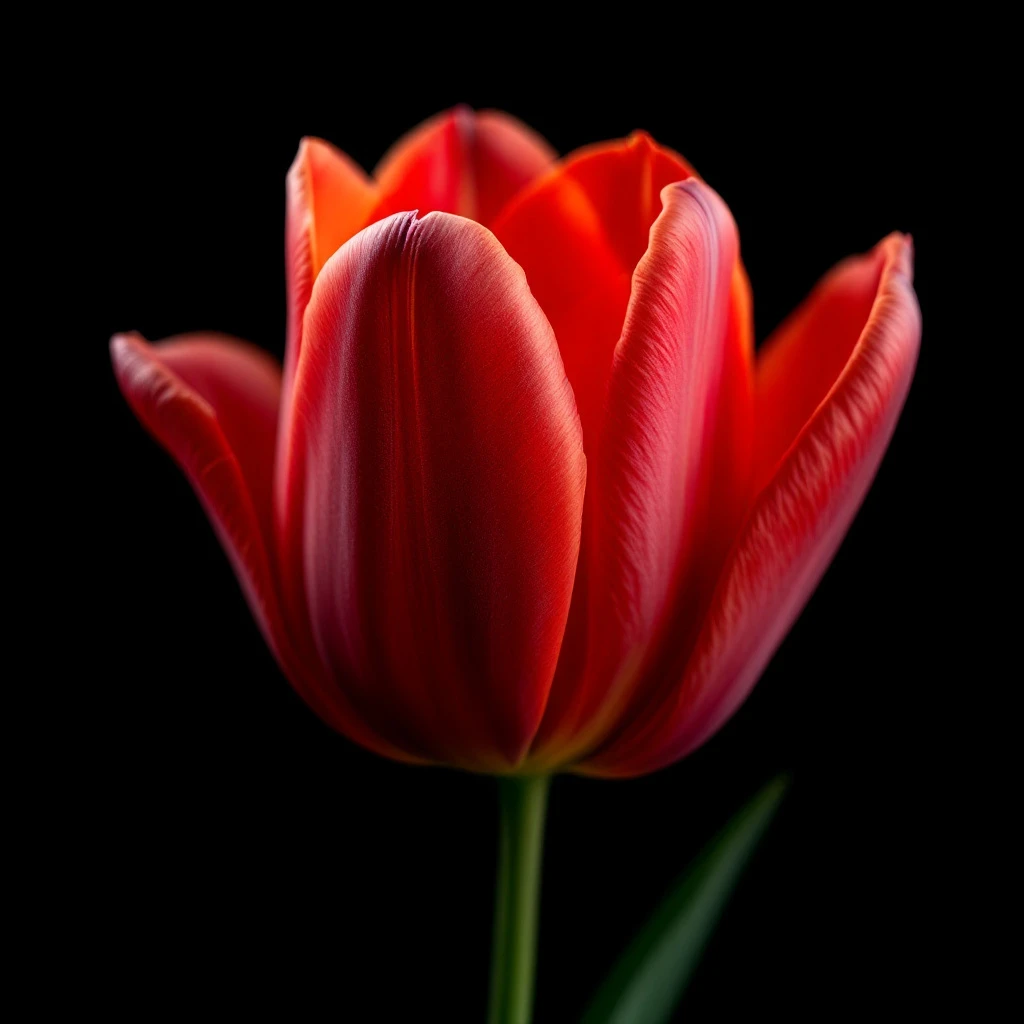
Red Tulip brings a crisp, green floral sweetness to perfumery, evoking the first days of spring with dewy freshness and subtle powdery warmth. Though rarely extracted as a natural oil, this note captures the flower at its most expressive. The note pairs surprisingly well with woody and citrus accords, adding youthful brightness to complex compositions.
Character
How it smells
Spring's most anticipated bloom, captured in a bottle.
The Farina family has used a red tulip as their brand symbol since 1924, inspired by the wax seal that authenticated their Original Eau de Cologne against counterfeiting.







Origin
Turkey
Tulips trace their fragrant heritage to the Ottoman Empire, where they became the empire's defining flower by the 16th century. Turkish sultans cultivated thousands of varieties in imperial gardens, and the word 'tulip' itself derives from the Turkish term 'türbed' for turban, reflecting the flower's distinctive shape. When Dutch bulb prices collapsed in 1637, ending the famous Tulip Mania, the flower's cultural significance endured.
By 1924, the Farina family in Cologne adopted the red tulip as their Eau de Cologne signature, placing it on every bottle as a symbol of authenticity and quality. Today, the red tulip continues to represent heritage and renewal in perfumery, bridging centuries of botanical fascination.
Wears it best
Fragrances featuring Red Tulip
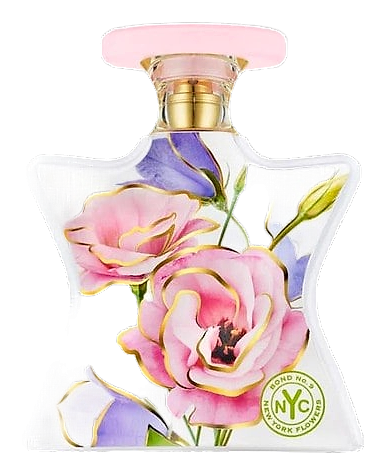
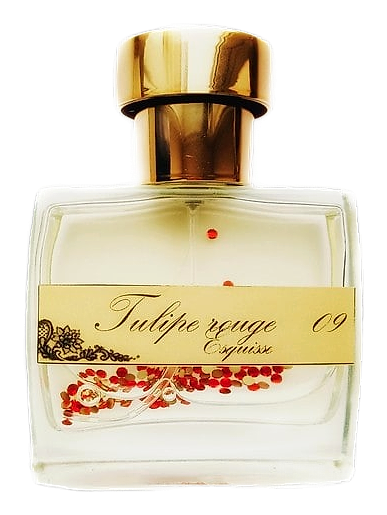
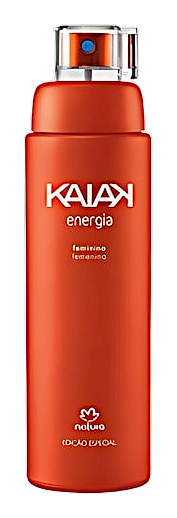
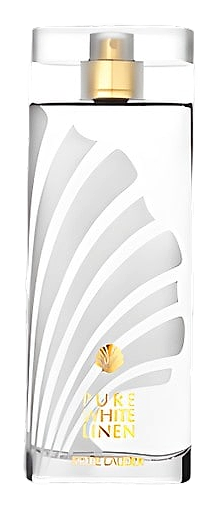
Brands
Brands known for Red Tulip
Good to know
Questions, answered
The essentials on Red Tulip in perfumery: how it smells, where it comes from, and how it behaves on skin.
Is Red Tulip a natural or synthetic fragrance ingredient?
Most Red Tulip notes in perfumery are synthetic recreations. Natural tulip absolute is commercially unavailable because tulip petals contain insufficient aromatic compounds for practical extraction.
What does Red Tulip smell like?
Red Tulip conveys fresh, green stems with dewy petal sweetness and a subtle powdery warmth. The scent evokes early spring mornings and the anticipation of the season's first blooms.
Why is the red tulip significant in fragrance history?
Since 1924, the Farina family has used the red tulip as their official symbol for Original Eau de Cologne, inspired by the red wax seal that authenticated their historic fragrance against imitation.
Where do tulips originate from?
Tulips originated in Central Asia, particularly the Tien Shan mountain region, before becoming the defining flower of the Ottoman Empire in the 16th century.
Does Red Tulip appear commonly in modern perfumes?
Red Tulip functions more often as a symbolic or thematic note rather than a dominant ingredient. It appears frequently in spring releases and heritage fragrances that celebrate floral heritage.
What blends well with Red Tulip notes?
Red Tulip pairs excellently with crisp citrus, light musks, green tea, and soft wood notes like cedar. These combinations enhance the fresh, dewy character of the tulip accord.
Can tulips be enfleuraged for perfume?
While artisan perfumers have experimented with enfleurage on tulip petals, the yield remains negligible. This extraction method is too labor-intensive to produce commercial quantities.
What replaced natural tulip in modern perfumery?
Modern perfumers use aroma chemicals like tulipalin and hedione in combination with green notes to authentically recreate the fresh, slightly anisic character of tulip flowers.



