
The Story
Why it exists.
The beginning
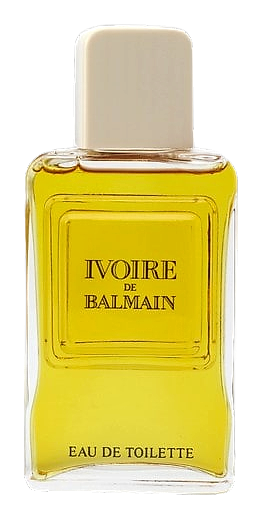
Ivoire arrived in 1979 carrying Balmain's belief that beauty transcends borders. Pierre Balmain envisioned a fashion house that united the world's influences, and this fragrance translated that global perspective into scent. Created by Michel Hy and Francis Camail, Ivoire was positioned as the house's answer to a shrinking world, one where Paris, the Middle East, and beyond could share the same runway, the same silhouette, the same fragrance. The name itself means ivory, a material prized across cultures for its warmth and workability, much like the house's approach to fashion that drew from everywhere and belonged to everyone.
The composition hinges on a tension that 1970s perfumery mastered: aldehydes, typically cold and crystalline, softened by the unexpected warmth of chamomile and artemisia at the opening. Galbanum adds a sharp green undertone that prevents the aldehydes from becoming precious, grounding them in something earthier, more rooted. The result is an aldehydic opening that doesn't simply sparkle. It breathes. In the heart, orris root and lily of the valley introduce powdery elegance that balances the warmer spices, carnation, cinnamon, nutmeg, while Turkish rose threads through everything like a red line. This is not a fragrance that shouts its florals. It lets them emerge slowly, wrapped in the spice.
The evolution
The aldehydes arrive first, cold, bright, a lift that recalls the opening moments of a room when the doors finally open. But unlike the aldehydes in some classics, the chamomile and galbanum arrive quickly alongside them, adding an herbal quality that keeps the initial impression grounded rather than rarefied. Bergamot sparks briefly at the edges before the heart takes over around the thirty-minute mark. Carnation and Turkish rose emerge now, cushioned by orris root's powdery softness and warmed by cinnamon and nutmeg. The transition is seamless, nothing falls away abruptly. By hour three, the base has fully arrived. Sandalwood and vetiver anchor everything, with oakmoss providing the earthy, chypre backbone that classifies this fragrance in one of perfumery's most structured families. Tonka bean and amber add warmth that lingers into evening. Incense appears in traces at the far edge, not smoky, but present, like the memory of a room after everyone has left.
Cultural impact
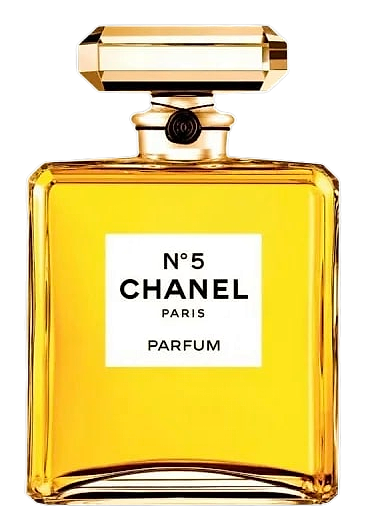
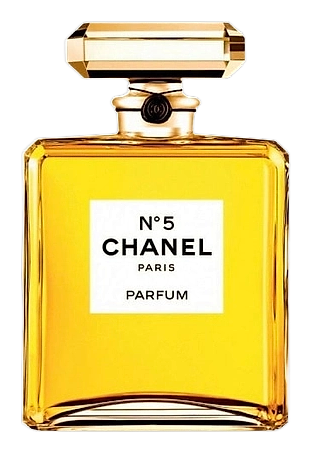
Ivoire sits in the lineage of classic aldehydic chypres that defined French high perfumery in the mid-to-late 20th century, a category that includes references like Chanel No. 5 and Givenchy Ysatis. Its aldehydic structure and powdery iris-carnation heart appeal to wearers who want vintage elegance rather than modern fruit or aquatic freshness. The 2024 Les Éternels reissue brought this 1979 composition back into focus, introducing it to a generation that may not have encountered the original. Wearers describe it as the kind of fragrance someone chooses when they know exactly what they want, a confident alternative to the safe choices.