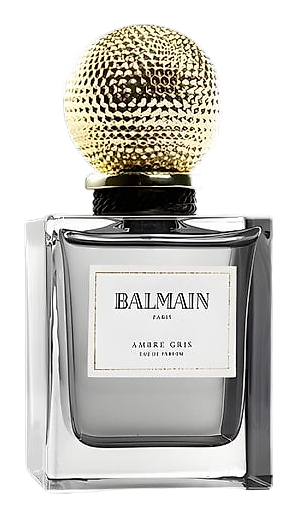
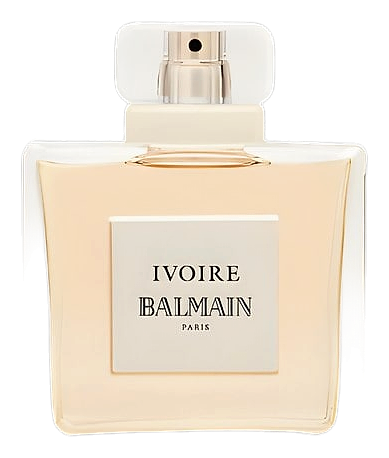
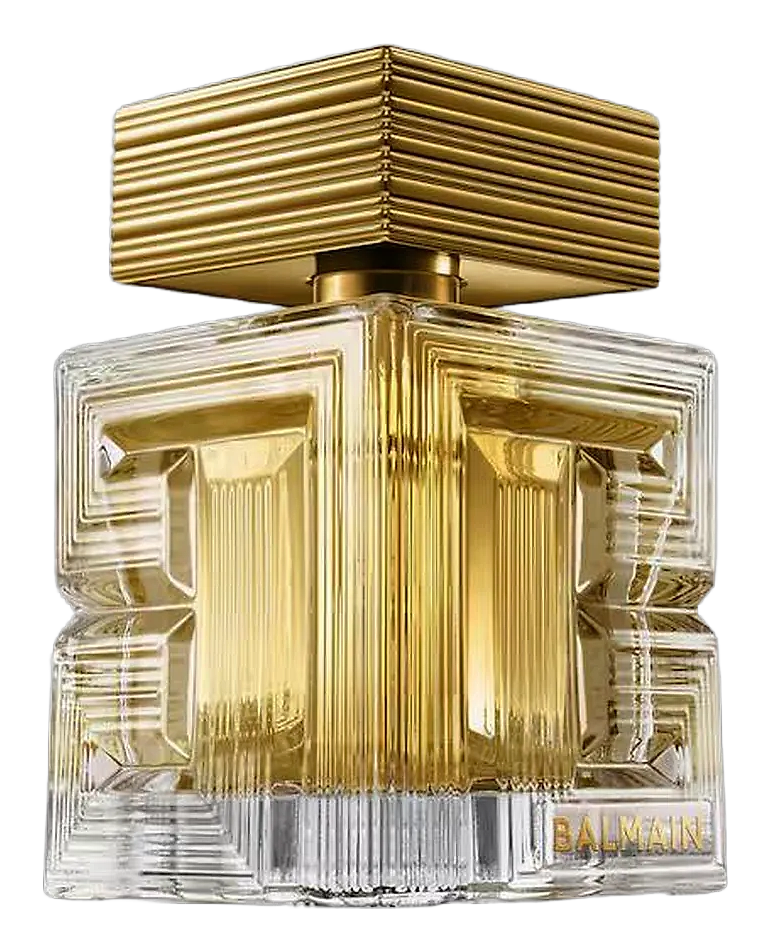
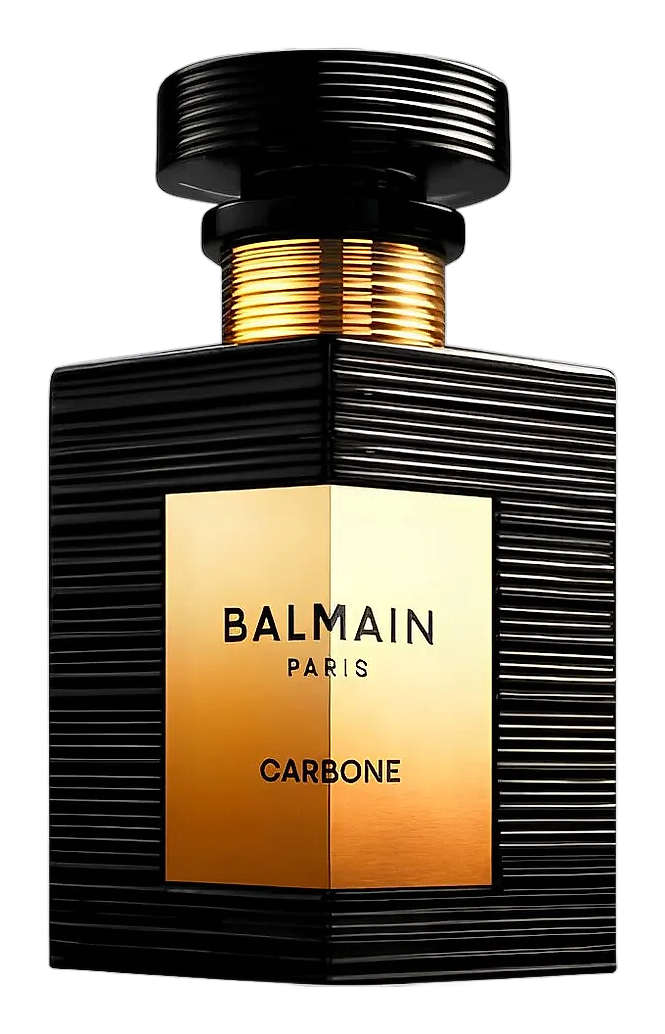
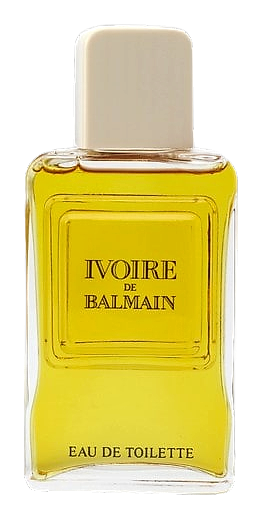
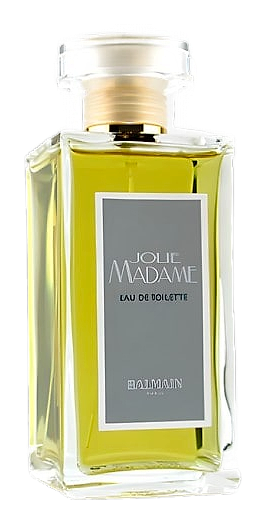
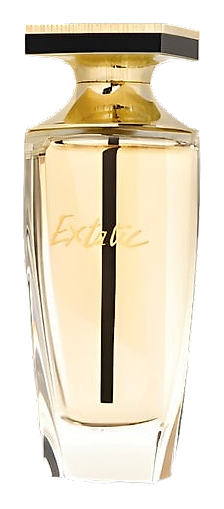
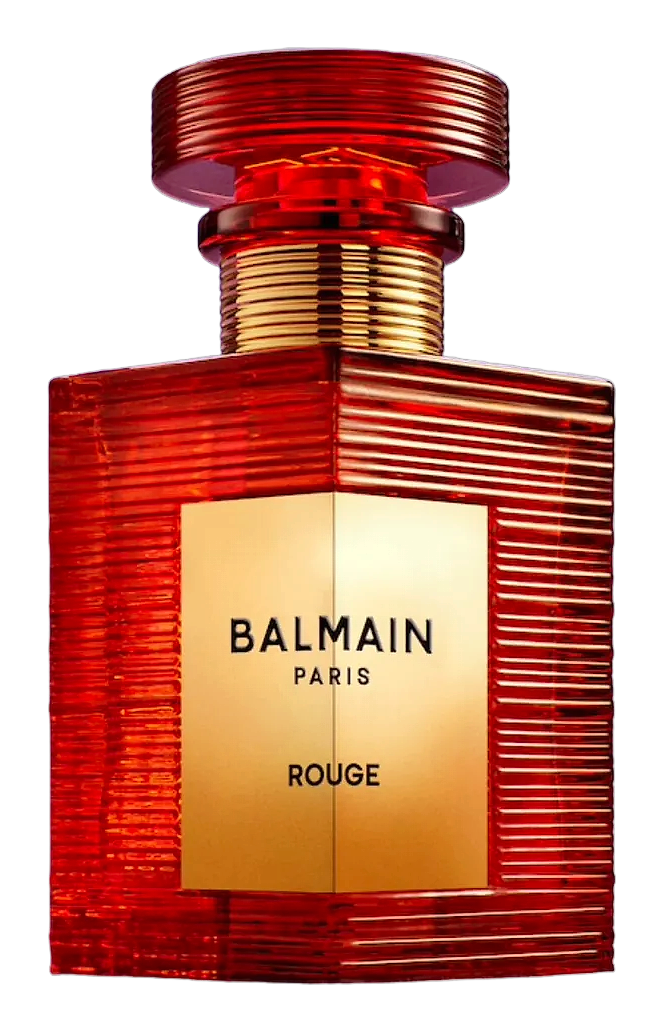
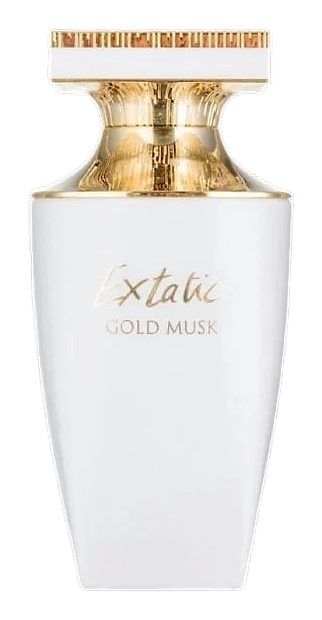
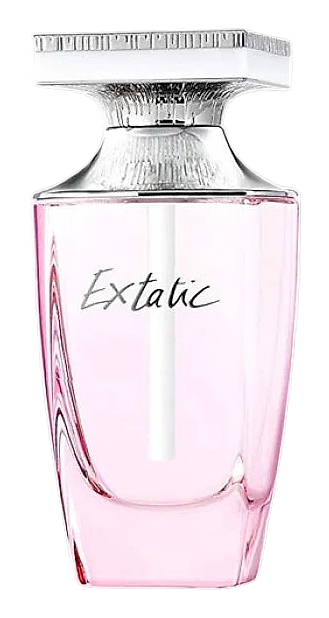
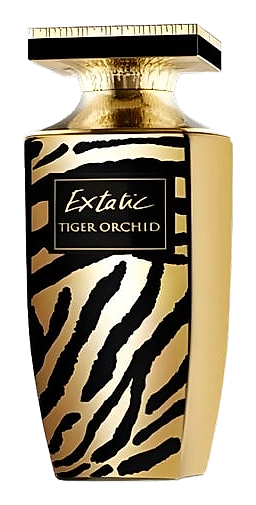
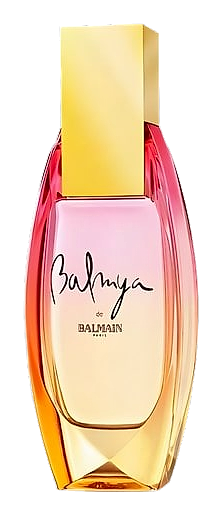
The Heritage
The Story of Balmain Beauty
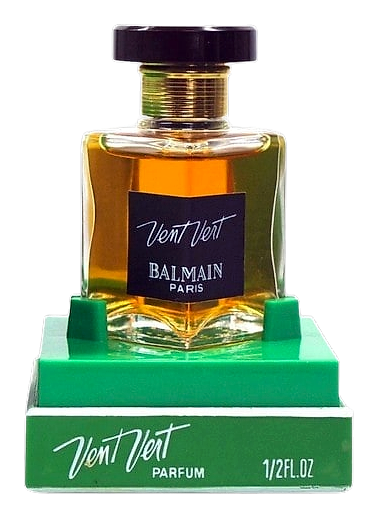
Balmain Beauty translates the Parisian fashion house’s mid‑century elegance into contemporary fragrance. Launched in 2022 through a partnership with The Estée Lauder Companies, the line draws on more than seven decades of perfume creation, from the 1946 Vent Vert The Original to the recent Rose de Soie. Each scent is presented in a sleek, refillable glass vessel that echoes the house’s signature gold‑striped monogram. The brand sits at the crossroads of couture tailoring and modern olfactory craft, inviting collectors to experience a heritage that feels fresh.
Heritage
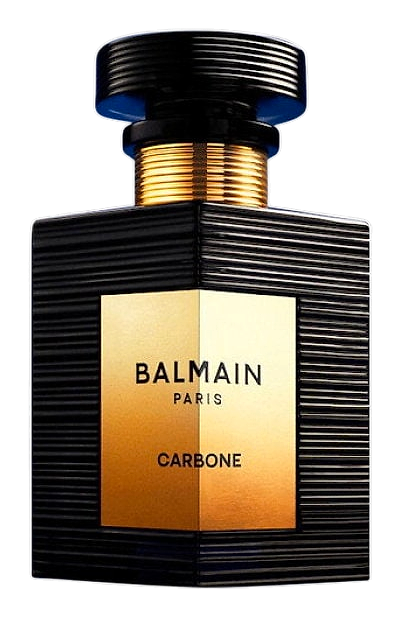
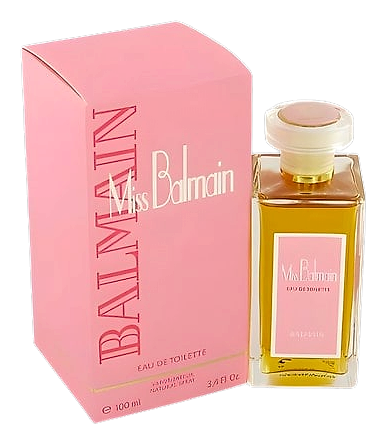
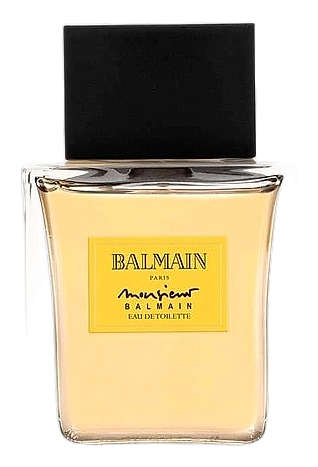
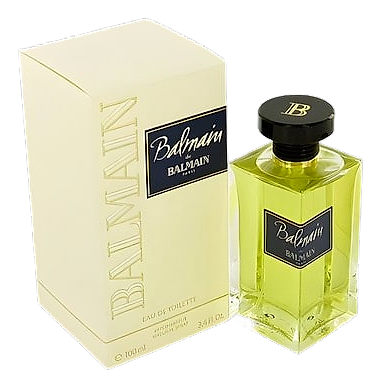
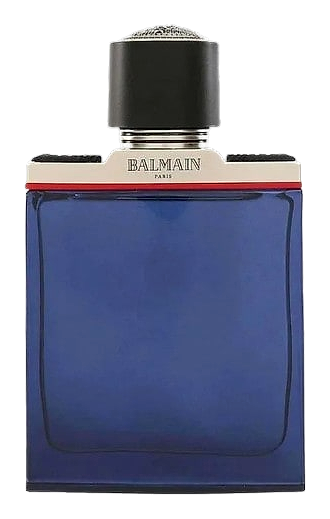
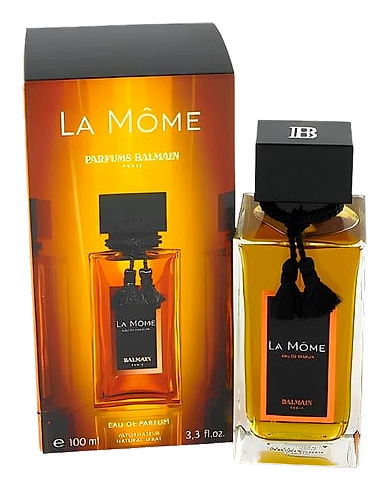
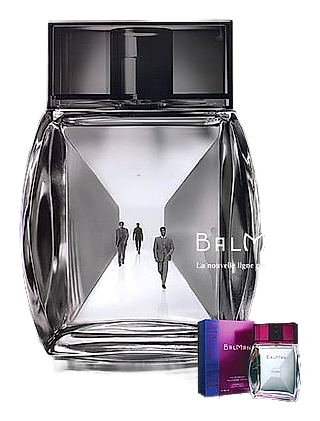
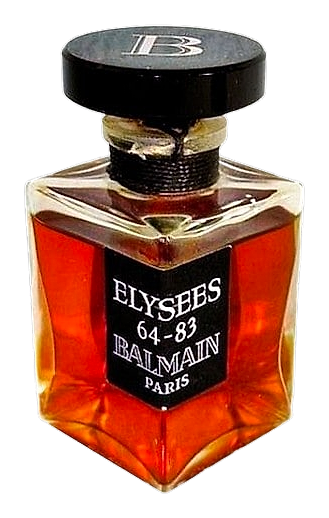
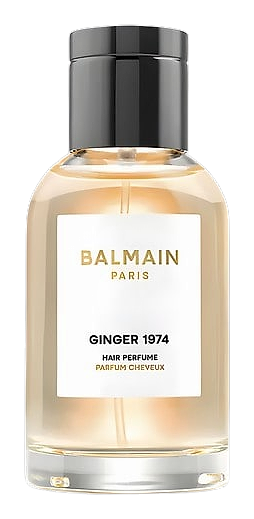
Balmain’s story begins in 1945 when Pierre Balmain opened his eponymous couture house in Paris. The designer’s vision of a “New French Style” quickly attracted a celebrity clientele and set a tone of refined opulence. By the mid‑1940s the fashion house extended its aesthetic to scent, releasing Vent Vert The Original in 1946, a fresh green fragrance that accompanied the brand’s early runway shows. Throughout the 1950s and 1960s Balmain introduced a series of perfumes that mirrored its collections, including Jolie Madame (1953) and Miss Balmain (1967). The 1990 launch of Monsieur Balmain marked the brand’s first modern reinterpretation, blending classic chypre notes with contemporary accords. In 2004 the house revived its perfume line with BalMan, a unisex scent that referenced the label’s bold tailoring. A limited‑edition Hair Perfume appeared in 2016, showcasing Balmain’s willingness to experiment beyond traditional sprays. The fashion house’s perfume heritage remained a quiet undercurrent until 2022, when Balmain entered a joint venture with The Estée Lauder Companies to create Balmain Beauty. This partnership gave the brand a dedicated platform for fragrance development and allowed it to invest in new product architecture. The debut prestige fragrance Destin de Balmain arrived in 2023, presented in a refillable glass cube capped with the house’s golden PB monogram. Subsequent releases such as Rouge Eau de Toilette (2025) and Rose de Soie (2026) have continued the narrative, each echoing a specific moment from the house’s runway archives while speaking to today’s sensibilities. Over eight decades, Balmain has moved from couture atelier to perfume laboratory, preserving Pierre Balmain’s original emphasis on elegance while adapting to changing cultural currents.
Craftsmanship
Balmain Beauty collaborates with established perfume houses in France to formulate its scents, relying on the expertise of seasoned noses who translate Rousteing’s brief into aromatic architecture. Ingredients are sourced from regions with longstanding reputations: jasmine from Grasse, bergamot from Calabria, and sandalwood from Mysore. Where natural extracts are limited, the brand supplements with high‑grade synthetics that meet IFRA safety standards, allowing precise control over intensity and longevity. The flagship Destin de Balmain is built around a classic chypre base, anchored by oakmoss and patchouli, then brightened with citrus top notes and a heart of rose and peony. Each batch undergoes rigorous stability testing in both laboratory and real‑world conditions to ensure that the fragrance maintains its character over time. Production takes place in a certified facility that follows Good Manufacturing Practices, with each bottle filled under controlled temperature and humidity to prevent oxidation. The refillable glass cube is manufactured in a French glassworks that employs hand‑blown techniques, resulting in a uniform thickness that protects the perfume from light exposure. Quality control includes a final sensory evaluation by a panel of perfumers who assess balance, projection, and dry‑down before the product leaves the line. This meticulous process reflects Balmain’s broader commitment to craftsmanship, mirroring the precision of its tailoring heritage.
Design Language
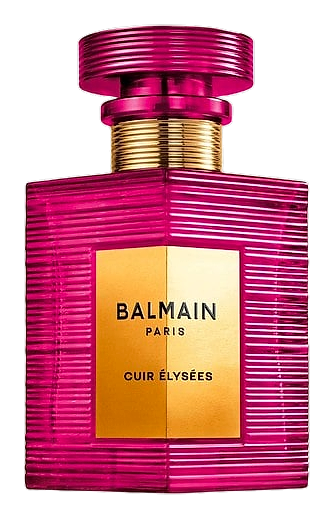
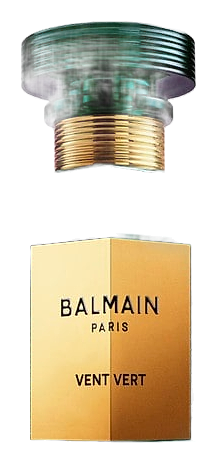
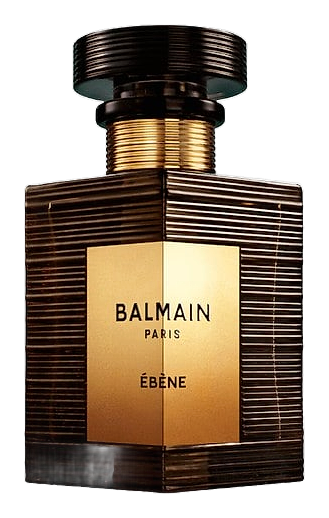
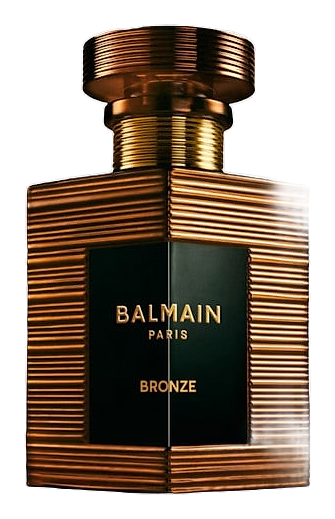
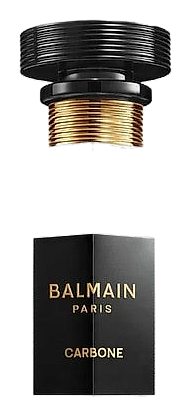
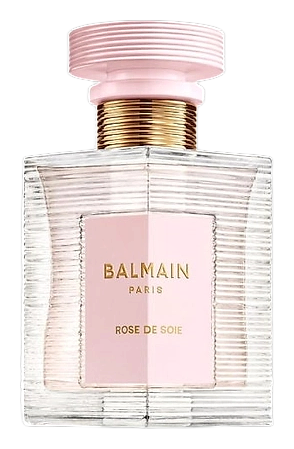
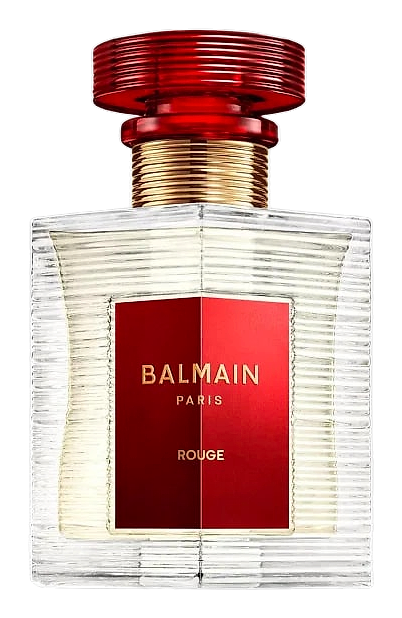
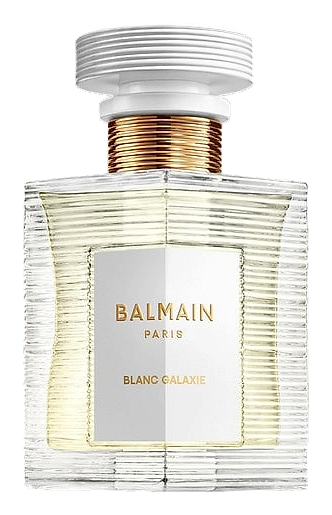
Balmain Beauty translates the house’s runway drama into a visual language that feels both architectural and luxurious. The primary bottle silhouette is a clear, square‑cut glass cube that references the sharp lines of a Balmain blazer. Golden striations run vertically along the edges, echoing the brand’s signature gold‑thread embroidery and the PB monogram that appears on the cap. The cap itself is a brushed metal disc engraved with the same monogram, providing a tactile contrast to the smooth glass. Typography on the packaging adopts a bold, sans‑serif typeface reminiscent of the house’s 1950s logo, while the colour palette shifts with each fragrance: deep ruby for Rouge Eau de Toilette, soft pink for Rose de Soie, and metallic bronze for Destin de Balmain. Marketing imagery often pairs the perfume with models dressed in the latest Balmain collection, highlighting the idea that scent completes an outfit. Print and digital ads favor high‑contrast black‑and‑white photography, punctuated by bursts of colour that match the fragrance’s hue, reinforcing the connection between visual style and olfactory character. The overall aesthetic conveys a sense of disciplined elegance, inviting consumers to experience the same confidence that a perfectly cut jacket provides.
Philosophy
Balmain Beauty’s creative philosophy rests on the belief that fragrance should function as a wearable extension of couture. Under the artistic direction of Olivier Rousteing, who also guides the fashion house, the perfume team treats each scent as a sartorial statement, selecting accords that echo the silhouette of a collection. The brand emphasizes balance between heritage and innovation, often revisiting classic chypre structures before layering them with modern fruit or floral bursts. Sustainability appears in the choice of refillable packaging, allowing consumers to reuse the glass cube and reduce waste. Transparency in ingredient sourcing guides the selection of natural absolutes and responsibly harvested synthetics, ensuring that the olfactory experience respects both the skin and the environment. Balmain Beauty also seeks to democratize the perfume experience by offering a curated range of scents that can be mixed, encouraging wearers to personalize their aroma much as they would accessorize an outfit. The overarching aim is to create fragrances that feel as meticulously tailored as a Balmain jacket, delivering confidence through scent.
Key Milestones
1945
Pierre Balmain founds the Balmain fashion house in Paris, establishing a legacy of refined couture.
1946
Vent Vert The Original launches as the house’s first fragrance, marking Balmain’s entry into perfumery.
1990
Monsieur Balmain is released, offering a modern reinterpretation of the classic chypre structure.
2022
Balmain Beauty is created through a partnership with The Estée Lauder Companies, giving the brand a dedicated fragrance platform.
2023
Destin de Balmain debuts in a refillable glass cube with golden PB monogram, signaling the brand’s prestige push.
2025
Rouge Eau de Toilette arrives, expanding the line with a bold, ruby‑toned scent.
At a Glance
Brand profile snapshot
Origin
France
Founded
2022
Heritage
4
Years active
Collection
1
Fragrances released
Avg Rating
3.7
Community sentiment
Release Rhythm


