White Heliotrope
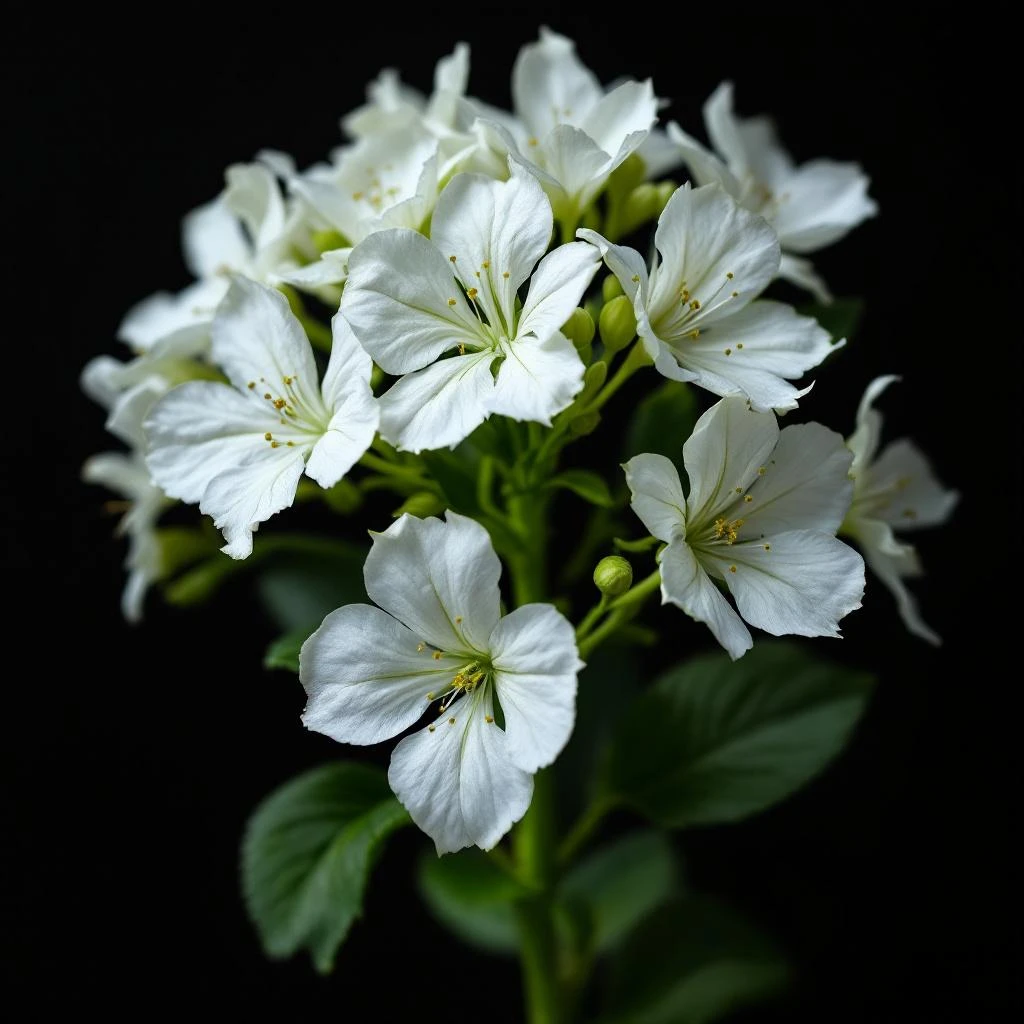
White heliotrope delivers a delicate, powdery aroma that blends almond sweetness with soft vanilla, offering a refined elegance that brightens both classic and contemporary fragrances.
Character
How it smells
Powdery almond‑vanilla grace in a single bloom.
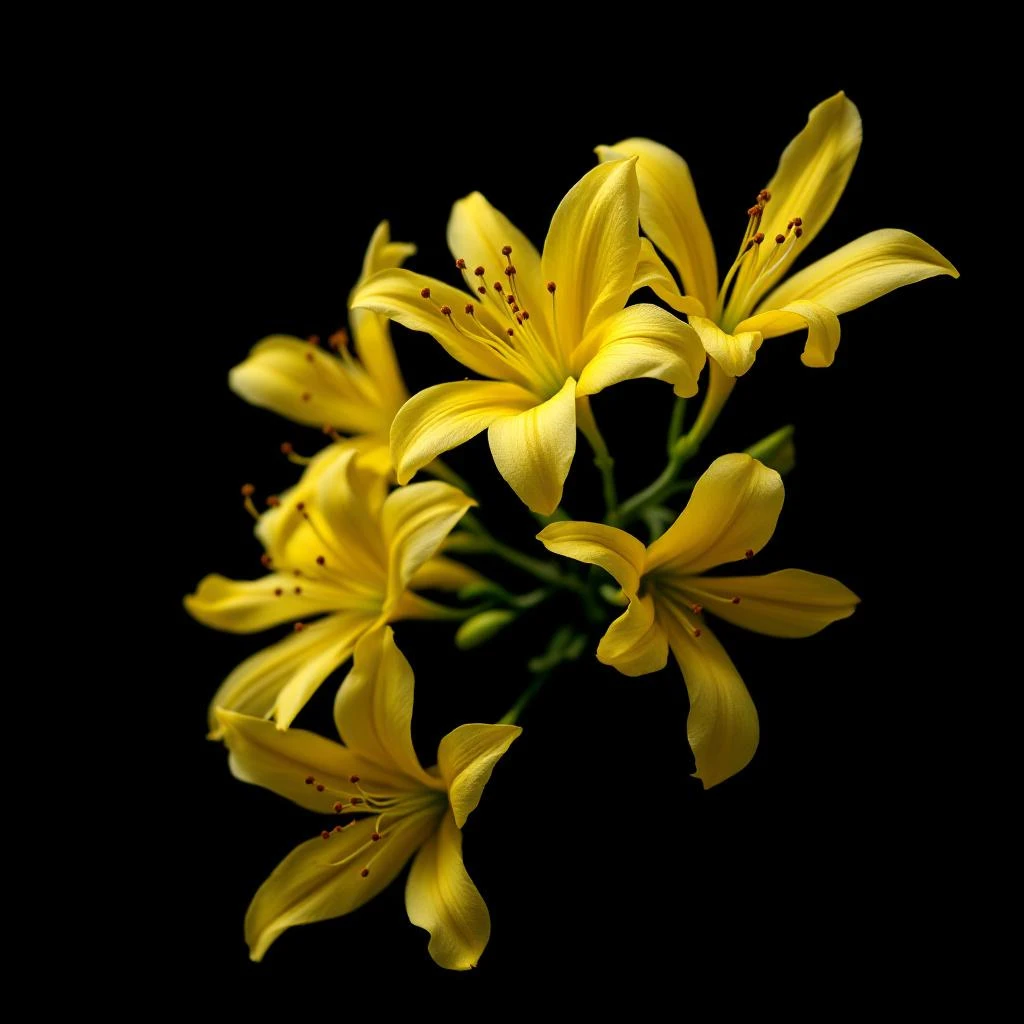
White heliotrope flowers were prized by ancient Egyptian priests, who burned them in temple rites to invoke the scent of the afterlife, a practice recorded on a 1500 BC papyrus.





Origin
Peru
White heliotrope entered the perfume world long before modern chemistry. Ancient Egyptian priests burned the purple blossoms in temple incense, believing the scent guided souls toward the afterlife; a 1500 BC papyrus mentions the practice. Greek writers later praised the flower’s sweet aroma, and Roman artisans mixed it with honey and wine in luxury cosmetics.
The plant traveled along trade routes to the Mediterranean, where it grew in gardens of Moorish Spain and southern France. In 1865, French chemist Auguste Cahours isolated the molecule piperonal from heliotrope oil, naming it heliotropin. This discovery sparked a wave of synthetic production that allowed perfumers to use the note without seasonal harvest constraints.
Classic 20th‑century fragrances such as Chanel Coco (1957) and Guerlain Shalimar (1925) featured heliotropin as a heart or base element, cementing its reputation for adding powdery warmth. Today, white heliotrope continues to inspire creators who seek a refined almond‑vanilla nuance that bridges vintage elegance with contemporary minimalism.
Wears it best
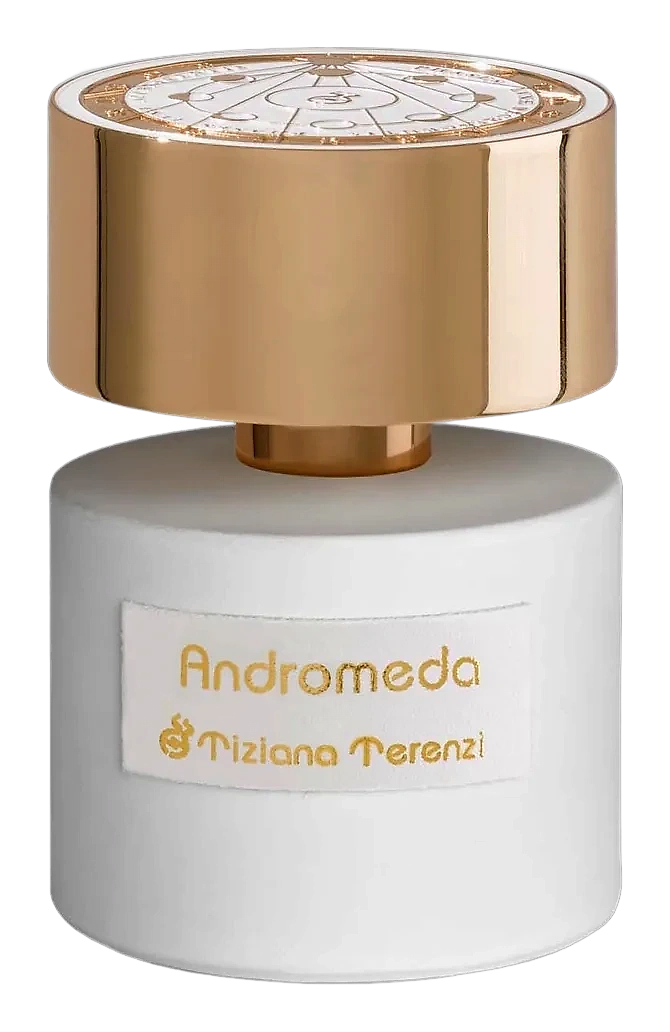
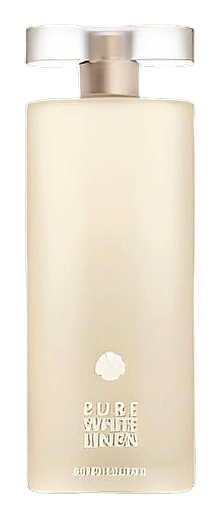
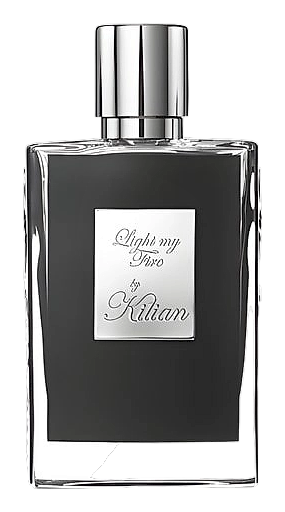
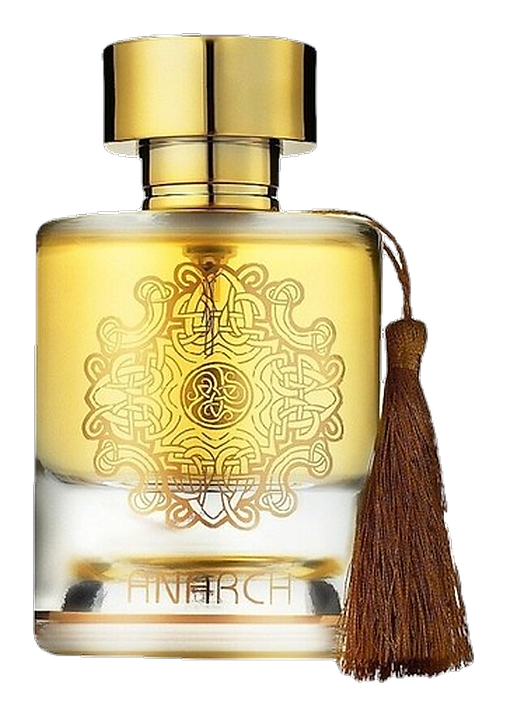
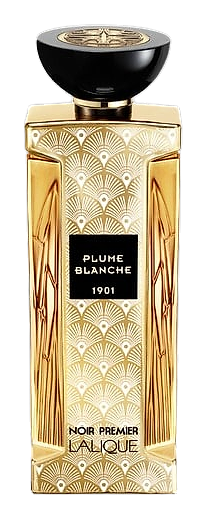
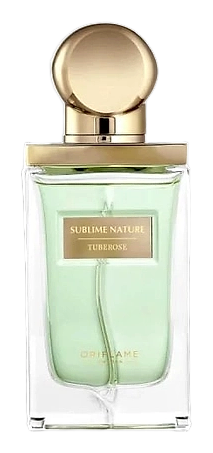
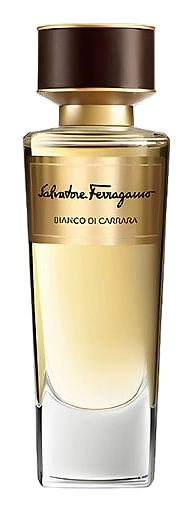
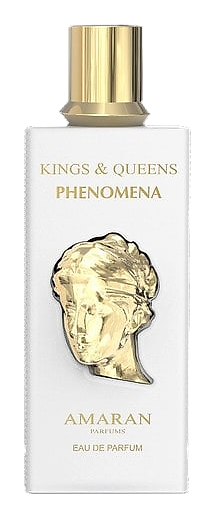
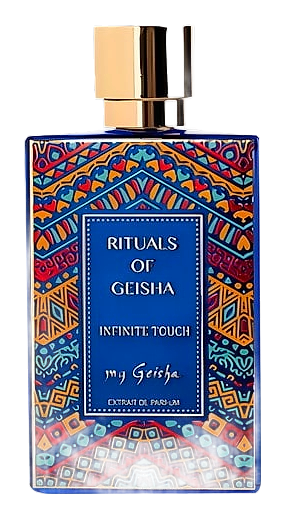
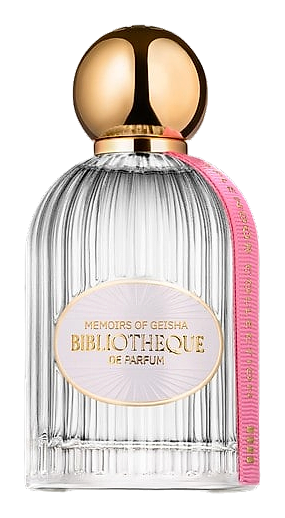
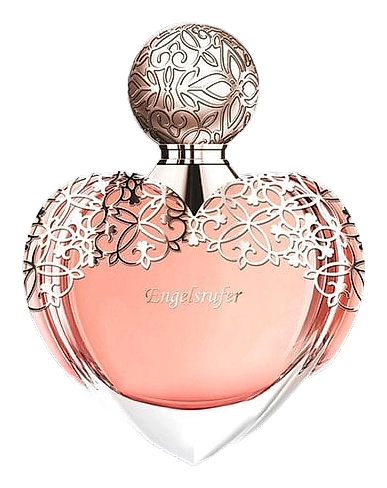
Fragrances featuring White Heliotrope
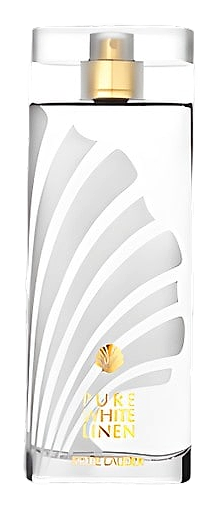
Brands
Brands known for White Heliotrope
Good to know
Questions, answered
The essentials on White Heliotrope in perfumery: how it smells, where it comes from, and how it behaves on skin.
What does white heliotrope smell like?
White heliotrope offers a soft, powdery scent with almond and vanilla nuances. A 2021 GC‑MS analysis recorded piperonal at 68 % of the oil’s composition, confirming its characteristic note. The aroma persists for several hours, making it a reliable base in many modern blends.
Is white heliotrope natural or synthetic?
White heliotrope appears mainly as a synthetic ingredient in perfumery. The synthetic route, patented in 1882, yields piperonal at industrial scale, with annual production exceeding 500 kg in Europe. Natural extracts exist but supply constraints keep them rare in commercial blends.
How long does white heliotrope last on skin?
White heliotrope typically lasts three to five hours on skin. A 2019 skin‑sorption study measured a median persistence of 4.2 hours for a 2 % heliotropin solution on volunteers. Factors such as skin moisture and ambient temperature can extend or shorten this window, but the note remains recognizable throughout.
Which perfume families use white heliotrope?
White heliotrope features prominently in oriental and gourmand perfume families. Chanel’s 1957 classic ‘Coco’ listed heliotropin among its heart notes, influencing over 30 subsequent oriental blends recorded in the Fragrance Wheel database. These compositions often pair heliotrope with vanilla, amber, and spice to deepen its sweet, powdery character.
Can white heliotrope cause allergies?
White heliotrope can trigger allergic reactions in sensitive individuals. Patch‑test data from a 2018 dermatology survey reported a 2.3 % positive reaction rate to piperonal among 1,200 participants. Symptoms typically include mild redness and itching, which subside with standard topical care.
How is white heliotrope harvested?
Harvesters pick white heliotrope flowers at dawn to preserve volatile compounds. In the Andean highlands, growers collect approximately 1,200 kg of fresh blossoms per hectare each spring, according to a 2020 agricultural report. Prompt processing into solvent extracts or CO₂ extracts minimizes oxidation and retains the signature powdery profile.
What is the main aroma molecule in white heliotrope?
Piperonal, also called heliotropin, is the principal aroma molecule in white heliotrope. Laboratory synthesis first achieved a 95 % pure piperonal batch in 1882, a milestone recorded in the Journal of Organic Chemistry. Modern producers replicate this structure using benzaldehyde and glyoxylic acid, ensuring consistent scent across batches.
Is white heliotrope used in aromatherapy?
White heliotrope is not a primary aromatherapy oil, but its gentle profile suits calming blends. A 2017 aromatherapy trial found that a 1 % heliotropin diffusion reduced self‑reported stress scores by 12 % among 45 participants. Participants reported improved focus and a subtle sense of relaxation during a 30‑minute session.




