Teakwood
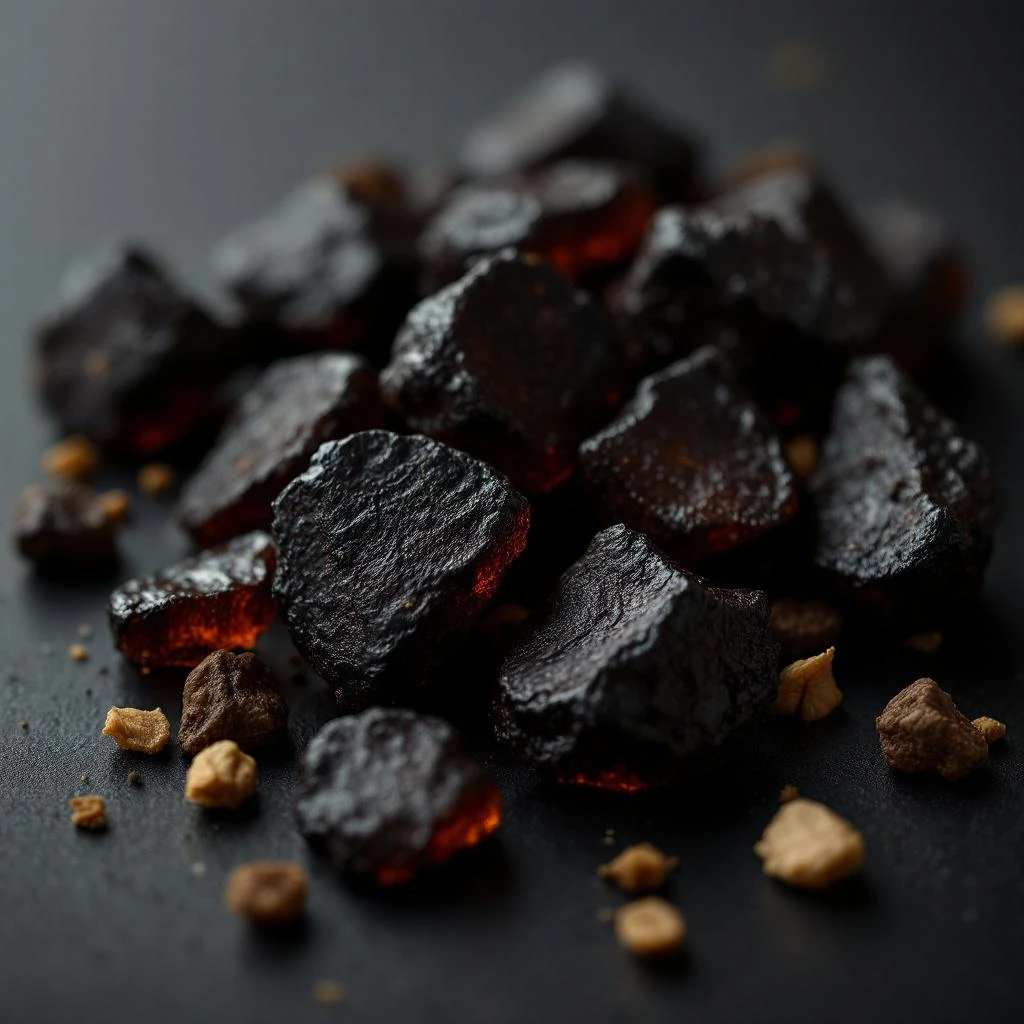
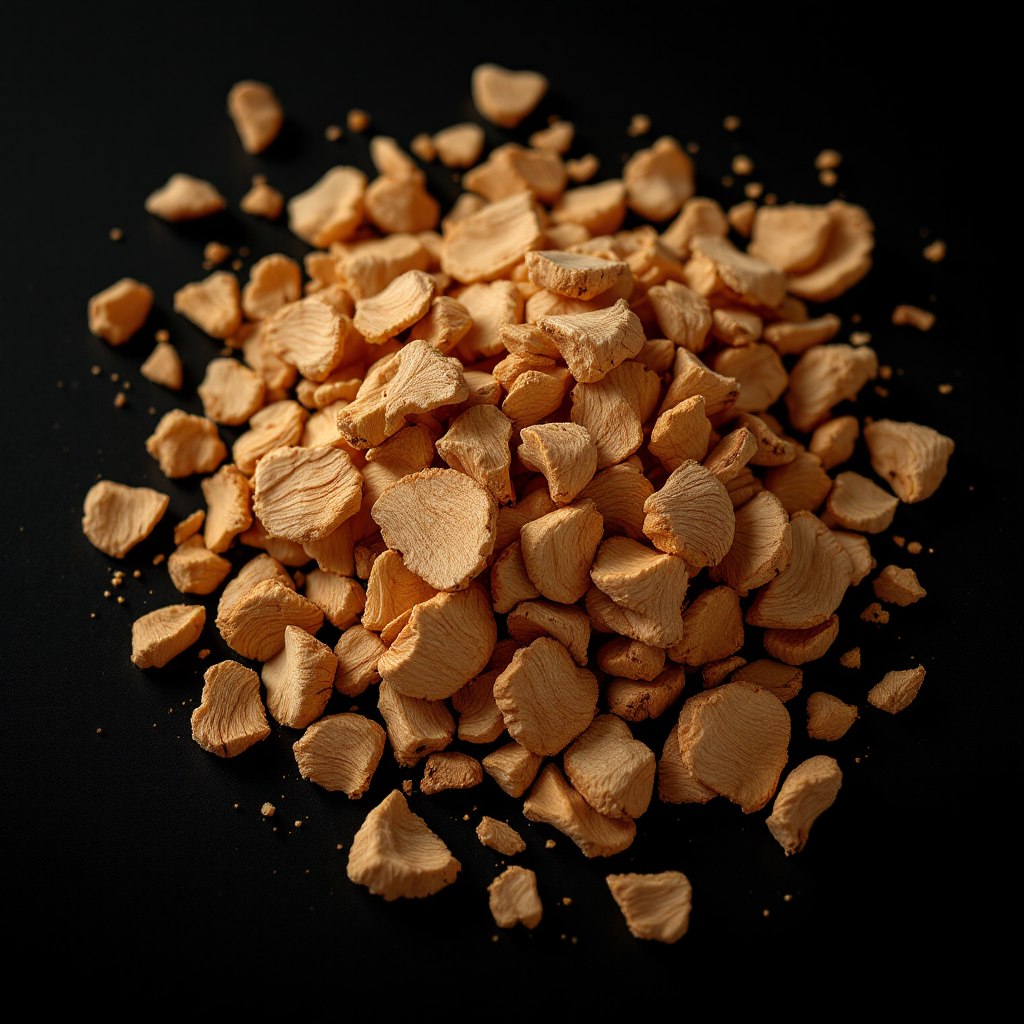
Teakwood brings dry warmth and subtle leather to compositions. Sourced from the heartwood of Tectona grandis, this material delivers a complex interplay of woody depth, musky undertones, and a clean resinous finish that anchors fragrance structures.
Character
How it smells
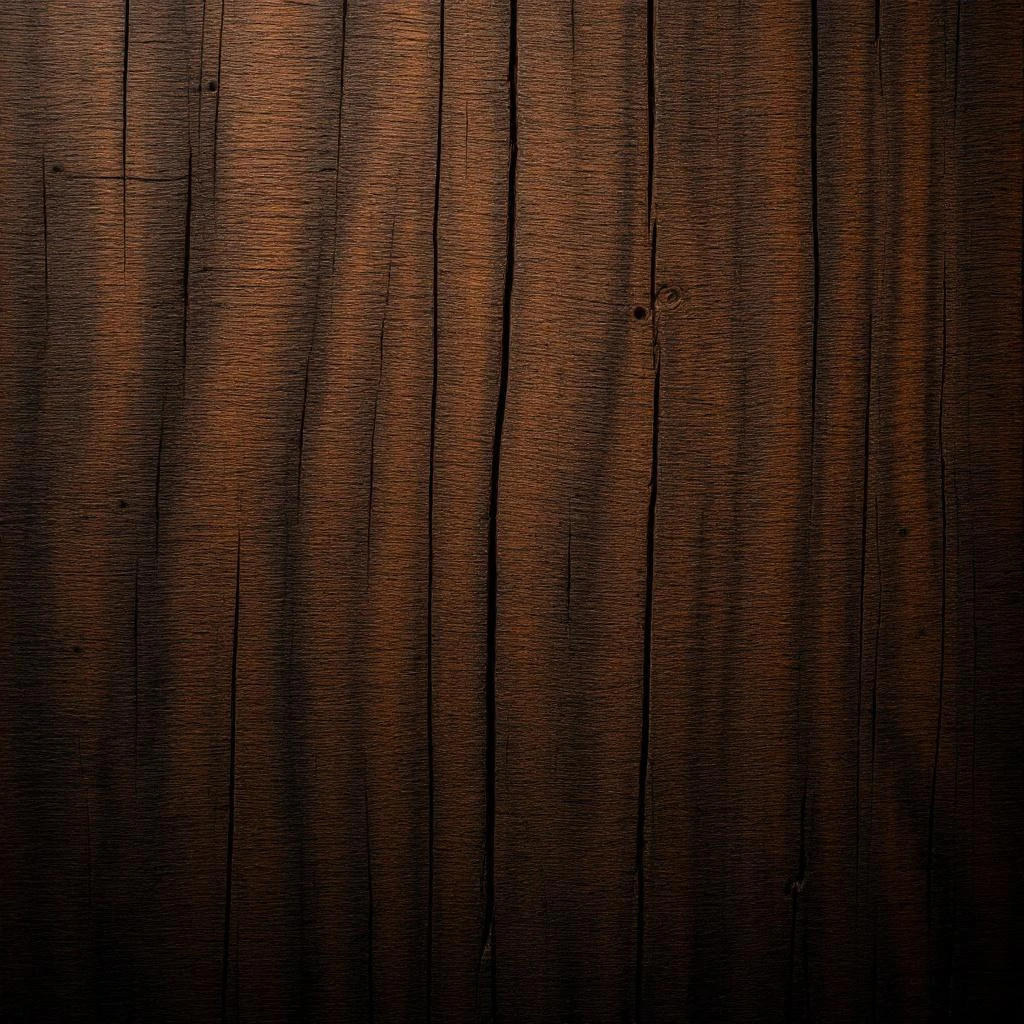
Dry warmth. Resinous depth. The scent of weathered wood.
Teakwood's natural oils resist moisture and decay, which is why traditional boat builders have prized this timber for centuries.









Origin
India
Tectona grandis has shaped human civilization across South and Southeast Asia for millennia. Ancient Indian texts reference teakwood in ceremonial contexts, while temple builders throughout Thailand, Java, and Myanmar incorporated the timber into sacred structures for its durability and subtle fragrance.
When European traders encountered the material in colonial-era ports, they recognized its commercial potential and established extraction operations throughout Burma and Indonesia. By the nineteenth century, teakwood essence had entered European perfumery, offering a novel woody note that distinguished compositions from those using common cedar or sandalwood.
The material's association with boats, furniture, and outdoor structures contributed to its fragrance profile: a scent that evokes weathered surfaces, natural oils, and the passage of time. Contemporary perfumers continue to value teakwood for this quality of refined simplicity.
Wears it best
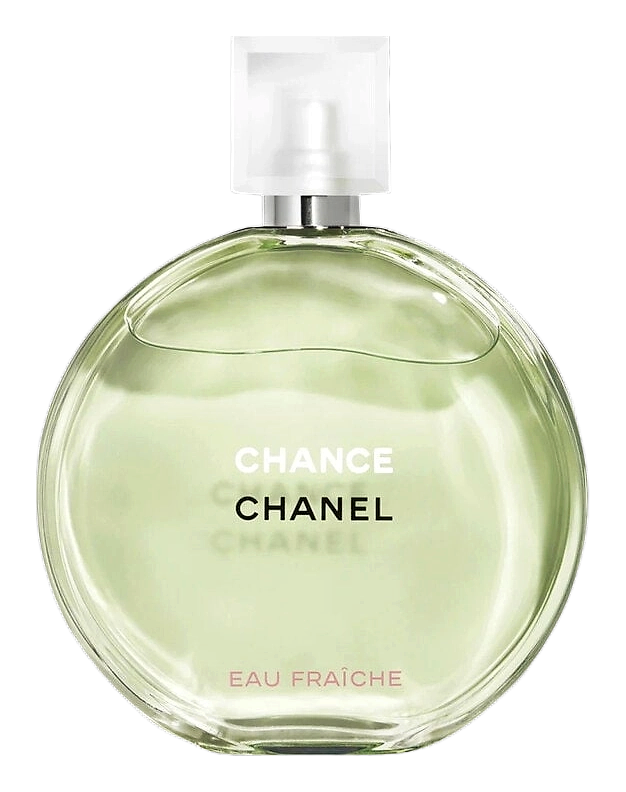
Fragrances featuring Teakwood
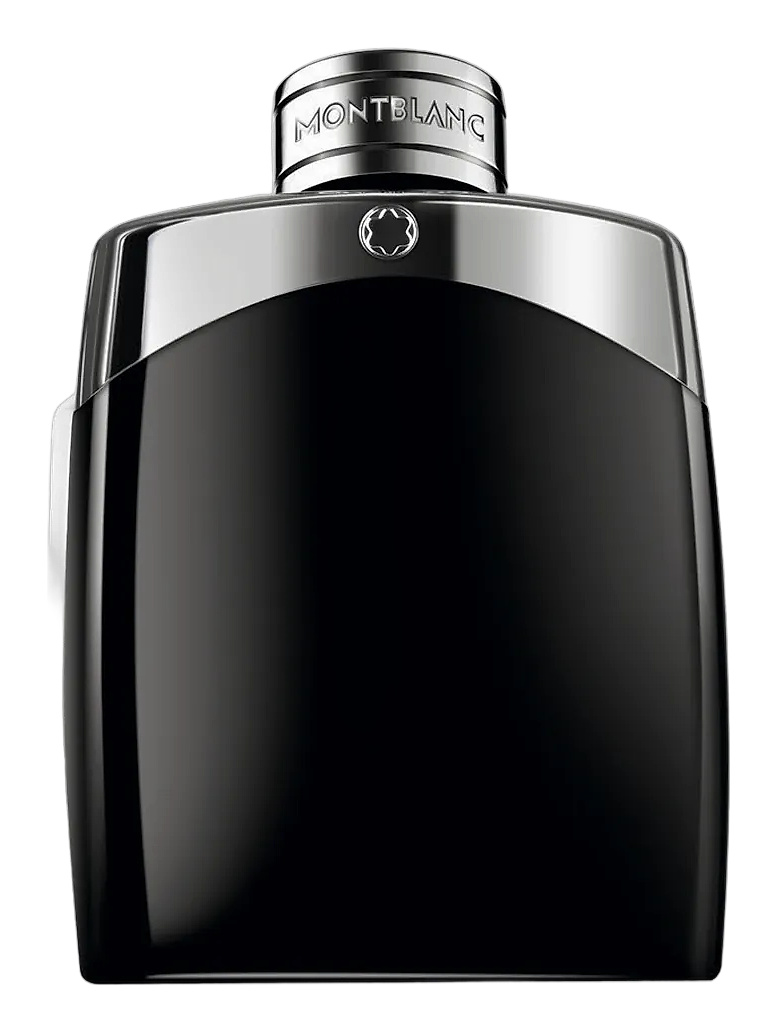
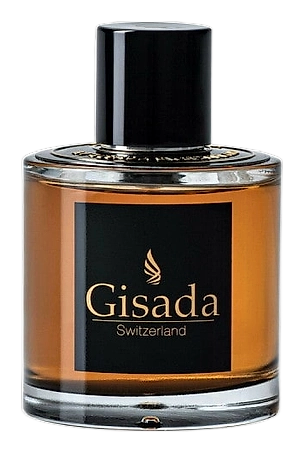


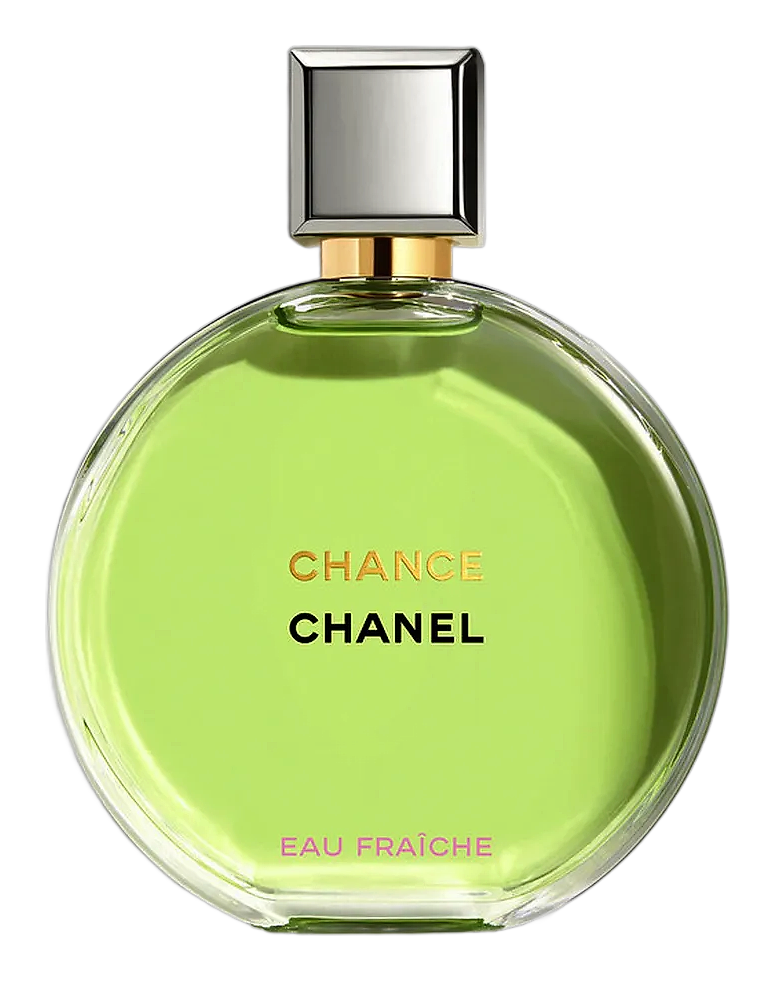

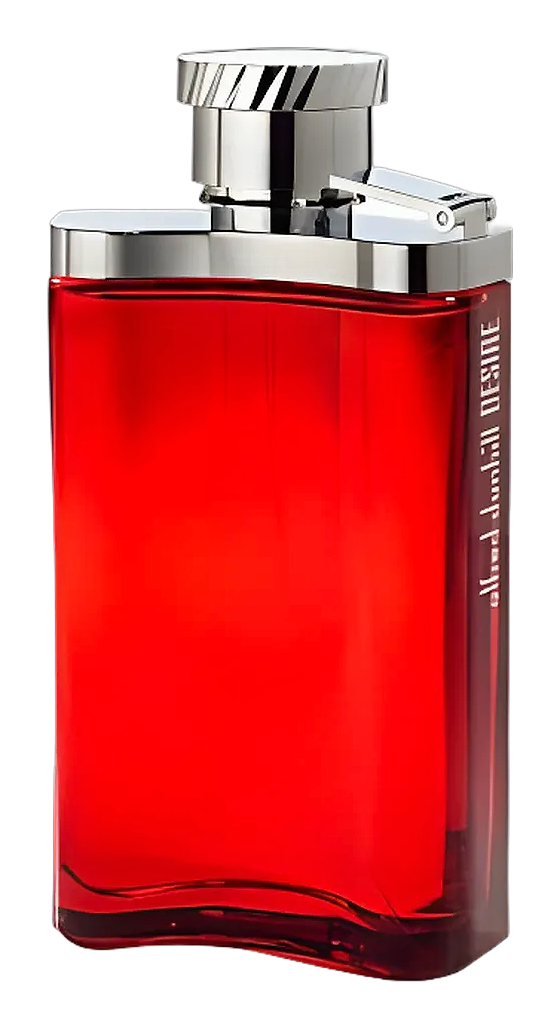
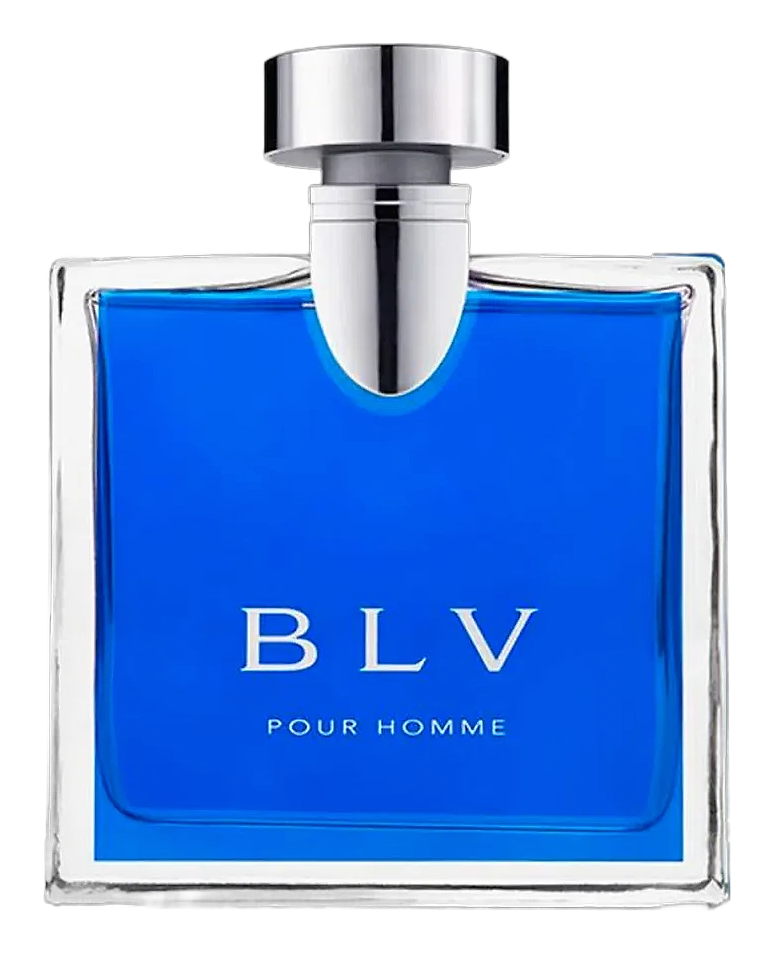
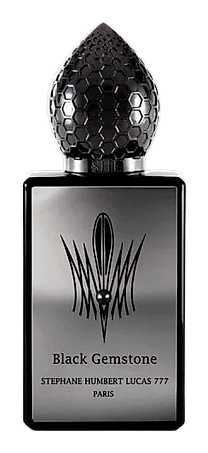

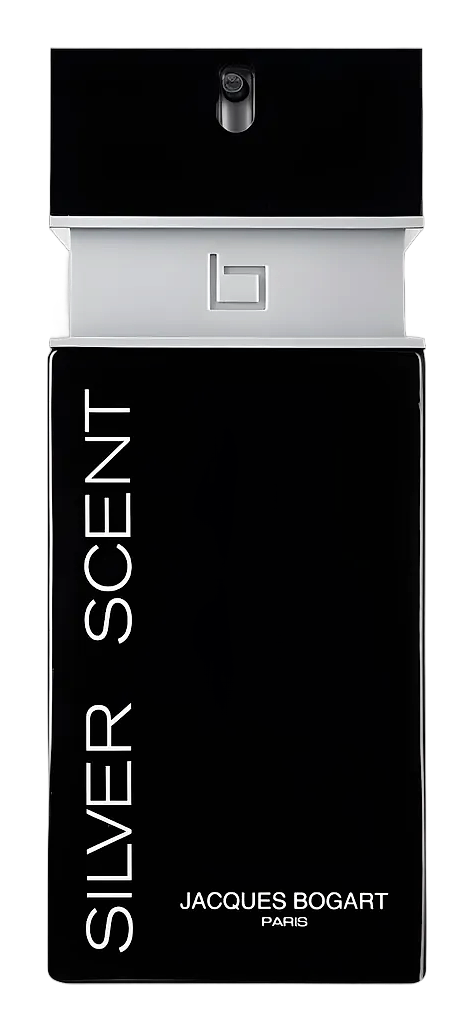
Brands
Brands known for Teakwood
Good to know
Questions, answered
The essentials on Teakwood in perfumery: how it smells, where it comes from, and how it behaves on skin.
What does teakwood smell like?
Teakwood opens with warm, dry woodiness and develops into musky undertones with a clean resinous finish. The scent suggests weathered surfaces and natural oils rather than fresh-cut wood.
Is teakwood natural or synthetic?
Natural teakwood extract comes from the heartwood of Tectona grandis through solvent extraction or enfleurage. Synthetic alternatives mimic specific aromatic molecules but lack the complexity of the natural material.
What fragrance families use teakwood?
Teakwood appears frequently in woody, chypre, and fougere compositions. It works as a base note that adds depth and longevity to blends centered on bergamot, lavender, or florals.
How long has teakwood been used in perfumery?
Teakwood entered European perfumery during the nineteenth century after colonial traders established extraction operations in Burma and Indonesia. Its use in traditional Asian boat-building and furniture-making predates this by centuries.
Does teakwood have fixative properties?
Teakwood contributes moderate fixative qualities to fragrance blends. Its natural oils help stabilize lighter top notes, extending their presence on skin for several hours.
Can teakwood be sustainably sourced?
Sustainable teakwood production requires plantation-grown trees harvested under responsible forestry standards. Wild-harvested material risks habitat degradation in native growing regions.
What extraction method preserves teakwood's character best?
Solvent extraction produces an absolute that retains the full aromatic complexity of teakwood, including its musky undertones and resinous dry-down. Steam distillation yields a lighter oil suitable for different fragrance applications.
How does teakwood compare to cedarwood?
Teakwood carries warmer, more complex notes than cedarwood, with musky and resinous qualities that cedar lacks. Both serve as base notes, but teakwood adds distinctive depth to woody compositions.