The Story
Why it exists.
The beginning
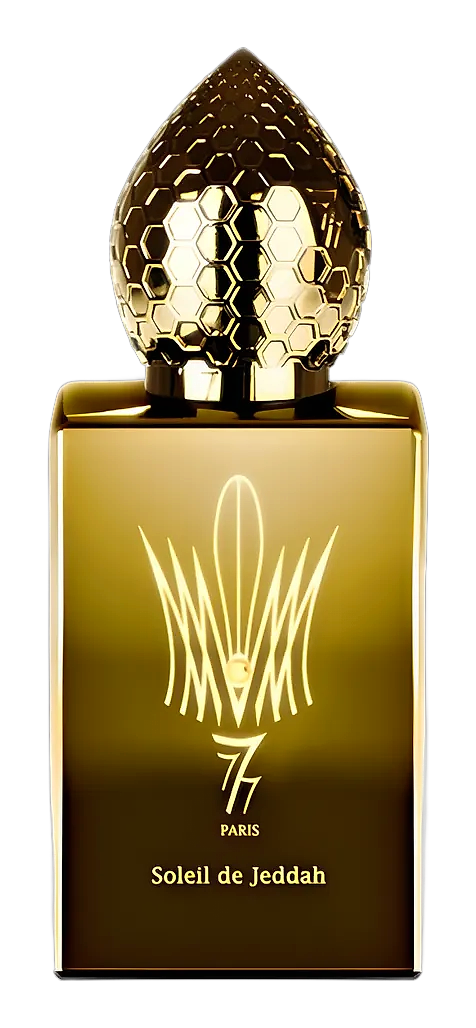
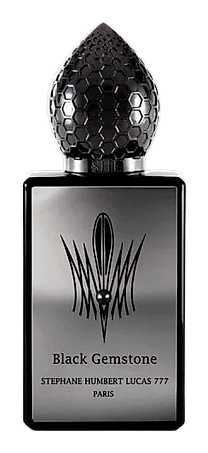
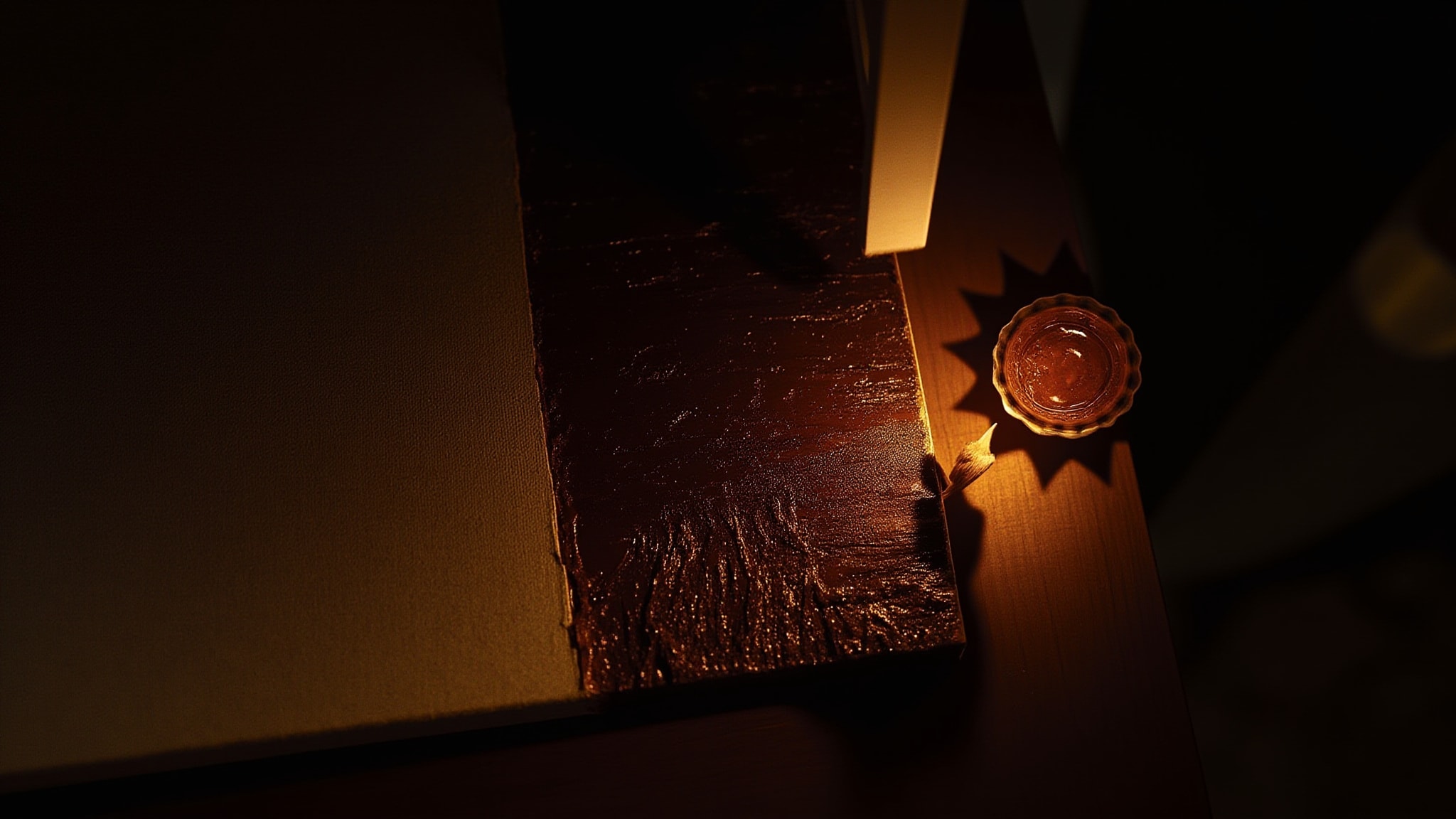
Stéphane Humbert Lucas founded his Swiss niche house, 777, after leaving a career unrelated to perfume. He has said scent is a color for him, and that composition itself is a painting. Black Gemstone, launched in 2013, was conceived as his demonstration piece for this painterly method, scent translated into shadow and luminosity. The fragrance uses cedarwood and lemon at the opening to establish its initial hue, sharp and clear, before darkening through the heart into myrrh and resin. The drydown completes the canvas with teakwood, frankincense, and tonka bean, layering warm amber tones over a smoky finish. For Humbert Lucas, each note is a brushstroke contributing to a complete image, and Black Gemstone was designed to prove that a single fragrance could hold contradictions and still read as whole.
Humbert Lucas approaches fragrance construction with the same intentionality as a painter selecting pigments. The lemon in Black Gemstone is not incidental, it is the brightest note in the palette, used to establish contrast against the darkness to come. The resinous heart notes exist to create density, to slow the composition down and force the wearer to sit with it. Myrrh, specifically, is chosen for its ability to bridge woody and balsamic families, creating continuity between the opening cedar and the eventual teakwood finish. The frankincense and tonka bean in the drydown serve complementary purposes: one adds smoke, the other sweetness, and together they ensure the base does not become monolithic.
The evolution
The narrative arc of Black Gemstone mirrors a descent from light into shadow. It begins in the open air with lemon cutting through like sunlight through a cracked door, cedarwood present from the first moment to prevent any notions of delicacy. The transition to the heart is swift and deliberate. Resinous notes thicken the composition, and myrrh adds its ancient, ceremonial weight, transforming the fragrance from something that reads as fresh to something that reads as reverent. The drydown marks the final chapter, where teakwood provides the structural framework, frankincense adds its characteristic smoke, and tonka bean rounds the edges with a sweetness that feels earned rather than applied. This is a fragrance with a beginning, a middle, and an end that refuses to rush through any of them.
Cultural impact
Since its 2013 debut, Black Gemstone has quietly influenced the niche perfume community by championing a bold blend of resinous depth and bright citrus. Its painterly composition, inspired by Stéphane Humbert Lucas’s background in visual arts, encouraged other creators to explore synesthetic approaches, merging color theory with scent architecture. Collectors cite the fragrance as a turning point that validated the market for unisex, art‑driven releases, prompting a surge in limited‑edition bottles that emphasize design as much as aroma. Over the past decade, Black Gemstone has been featured in gallery openings and fashion showcases, reinforcing the idea that perfume can serve as a cultural artifact, not merely a personal accessory.