Stéphane Humbert Lucas
Stéphane Humbert Lucas picked up his first brush in the South of France, studying under a Flemish master and perfecting the ancient tempera technique. Pigments, their textures, their combinations—these consumed him completely. Then something remarkable happened. He realized he didn't just see colors; he smelled them. This synesthetic gift became the engine of a second career that would eventually lead him to Grasse, where he traded oil paints for aromatic raw materials without ever leaving behind his painter's eye. Before founding his eponymous house in 2012, Lucas spent years as the invisible nose behind Nez à Nez and SoOud, honing his philosophy in the shadows. His 2012 debut collection drew heavily from the Middle East, a region he describes as the cradle of the universe. Critics took notice immediately. Today, with roughly 50 creations across his houses, Lucas has quietly built one of niche perfumery's most devoted followings—fragrances that average above 7.7 on rating platforms, a remarkable score that reflects the loyalty of collectors who understand what they're smelling.
The hits
Notable creations
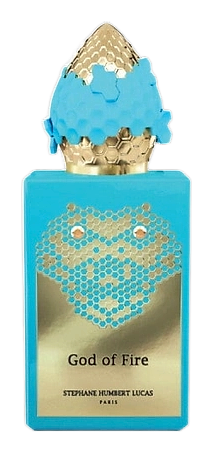
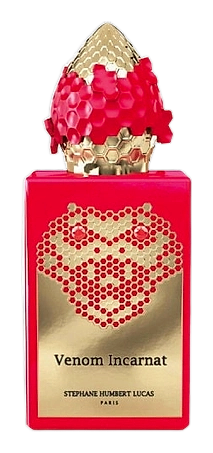
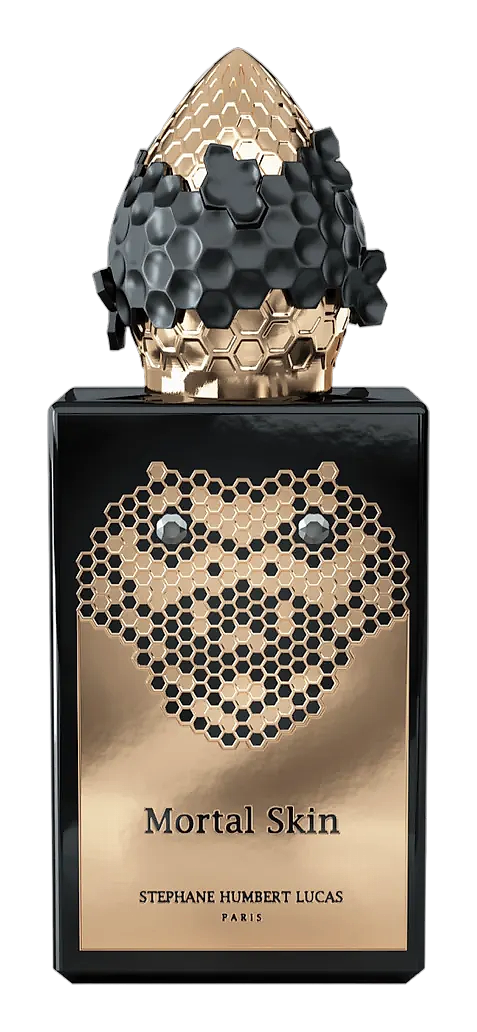
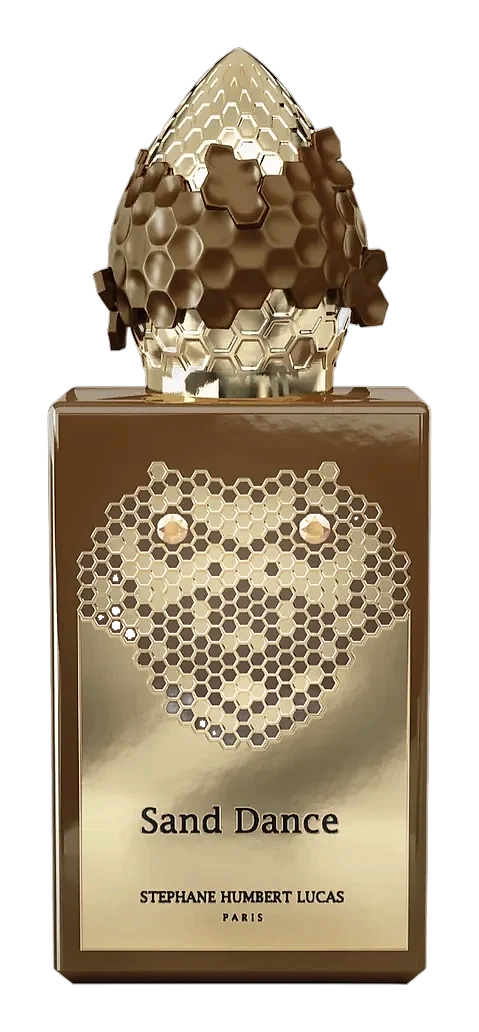
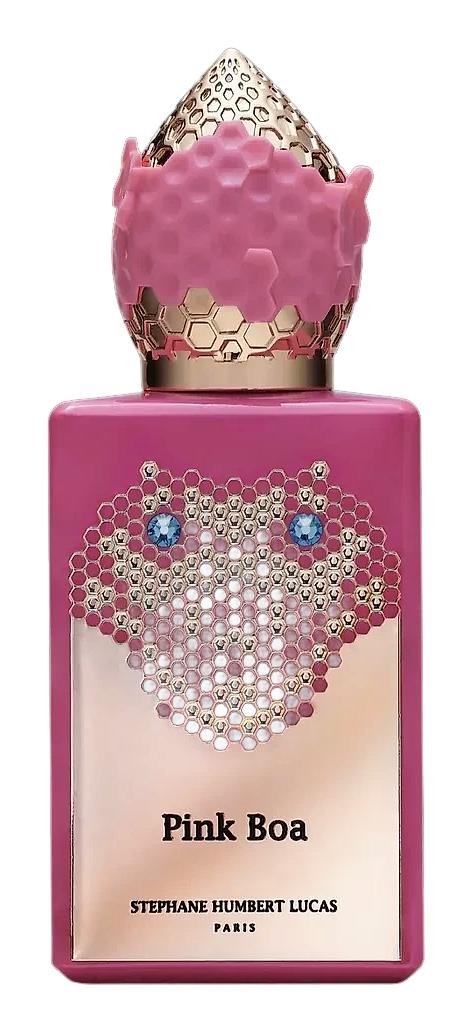

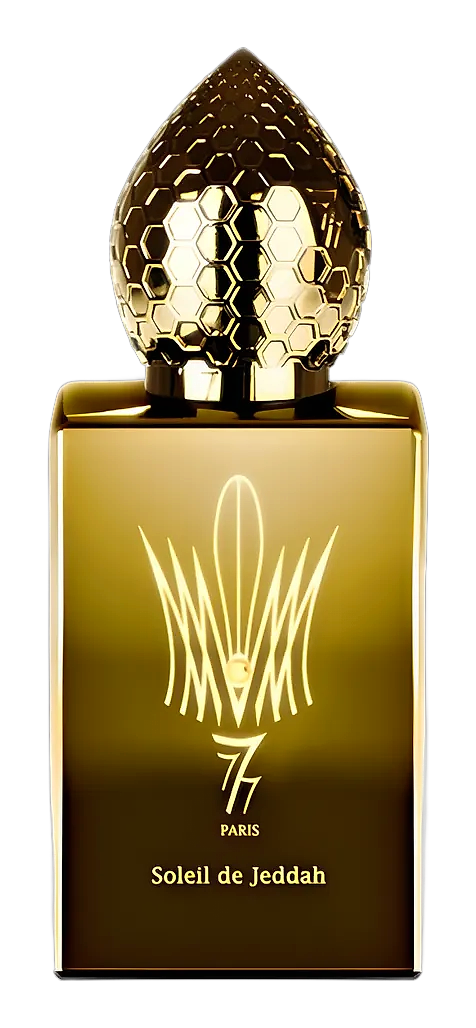
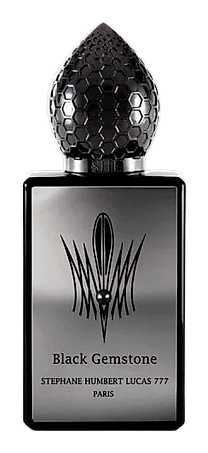
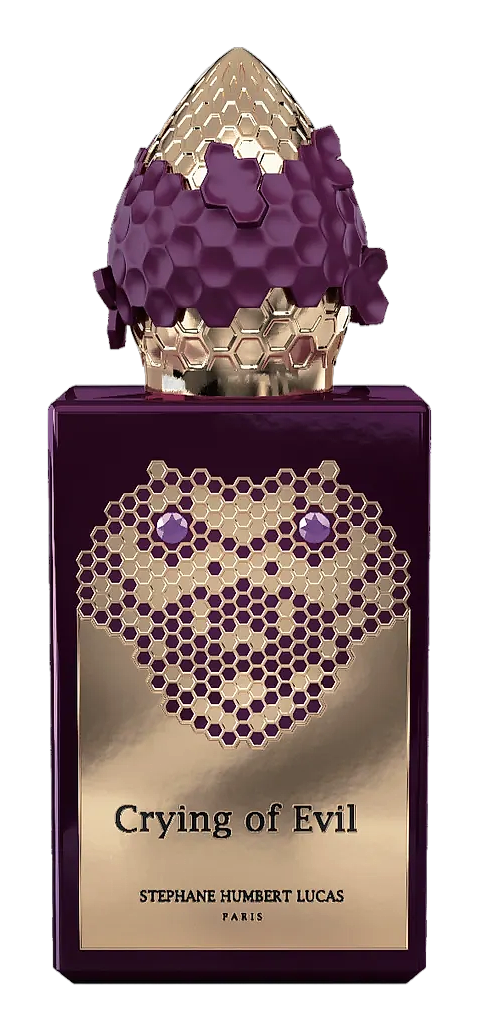

The signature
How Stéphane composes
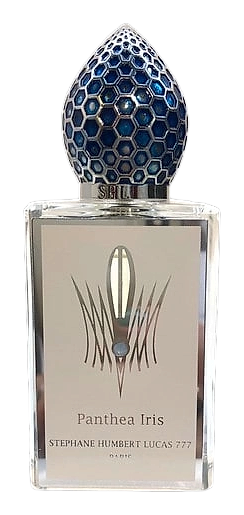
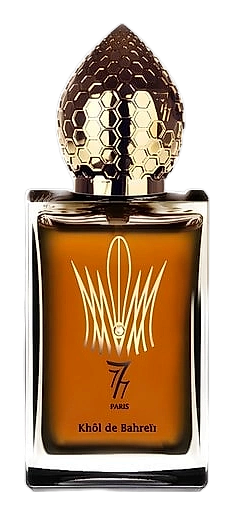
Lucas gravitates toward dramatic contrasts—harmony confronting roughness, warmth wrestling with darkness. His signature moves include pairing luminous iris with resinous incense, anchoring precious woods with unexpected mineral or animalic notes, and building fragrances that unfold like opera in multiple acts. He favors rare and precious materials, selecting each ingredient for its emotional resonance rather than mere olfactory effect. The 777 collection, launched in 2013, showcases his maximalist approach: complex, layered compositions packaged in vaulted bottles inspired by domed architecture and crowned with distinctive caps. His Mortal Skin (iris, incense, myrrh) and Khol de Bahreïn (iris, amber, musk) exemplify the cool, hypnotic quality that defines his work—scents that feel simultaneously ancient and otherworldly.
Philosophy
What drives Stéphane
"I don't invent smells," Lucas has said. "Like I neither invent pink nor indigo, they are present in our unconscious." This conviction shapes everything. He sees himself not as an inventor but as a matchmaker, a couturier of the invisible, arranging materials the way a painter arranges colors on canvas. Each ingredient already exists in our collective memory; his task is simply to call them together and ask them to coexist beautifully. His creative process begins at an easel, with a blank canvas, where he deposits touches of color, musical notes, poetry, and image before a single aromatic material enters the picture. The Orient provides mythology. The snake, found throughout his Serpents collection, provides storytelling. But the actual composition happens somewhere between his synesthetic perception and his painter's instinct for contrast and harmony.
The houses