

    Brand Profile

    Nez is an independent collective that treats scent as culture. Founded in 2016 by editor Jeanne Doré, sales director Dominique Brunel and cr…More

    France·Est. 2016·Site

    2

    Fragrances

    4.2

    Rating

    12
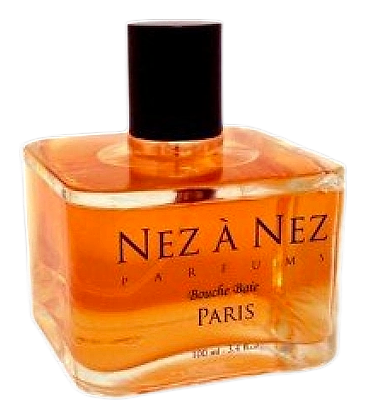
    Bouche Baie by Nez a Nez
    Best Seller
    4.2

    Bouche Baie

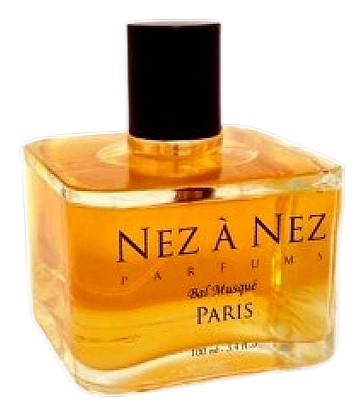
    Bal Musque by Nez a Nez
    Best Seller
    4.1

    Bal Musque

    Atelier d’Artiste by Nez a Nez
    Best Seller
    4.2

    Atelier d’Artiste

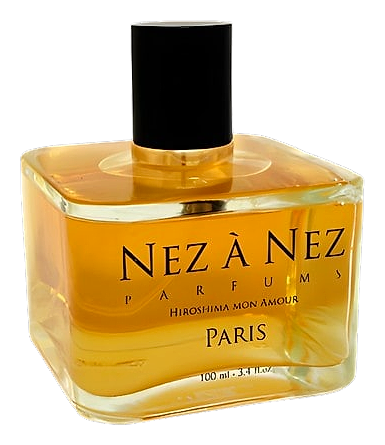
    Hiroshima Mon Amour by Nez a Nez
    4.1

    Hiroshima Mon Amour

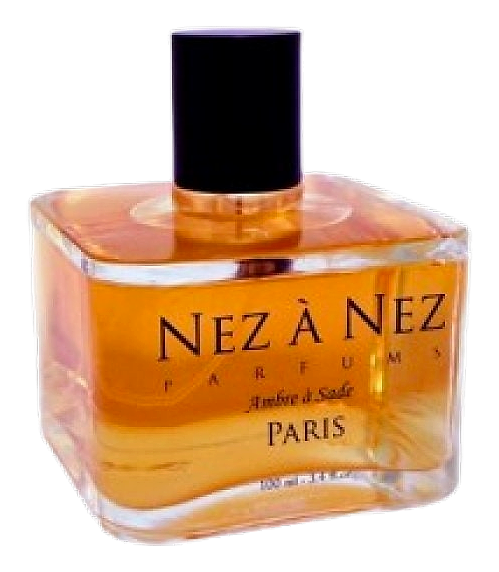
    Ambre a Sade by Nez a Nez
    4.1

    Ambre a Sade

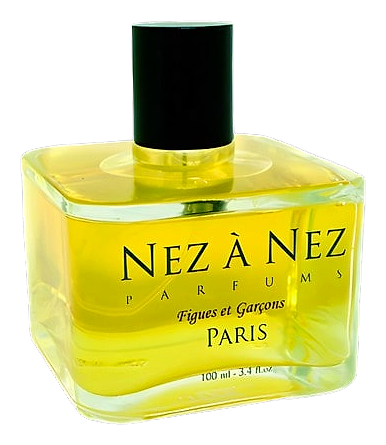
    Figues et Garçons by Nez a Nez
    4.0

    Figues et Garçons

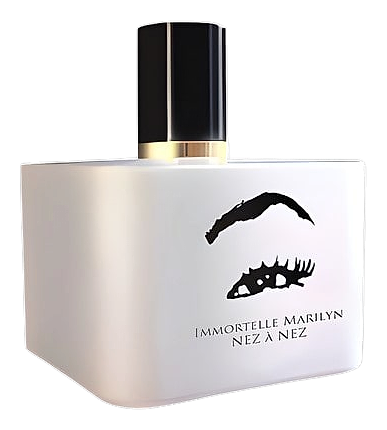
    Immortelle Marilyn by Nez a Nez
    4.0

    Immortelle Marilyn

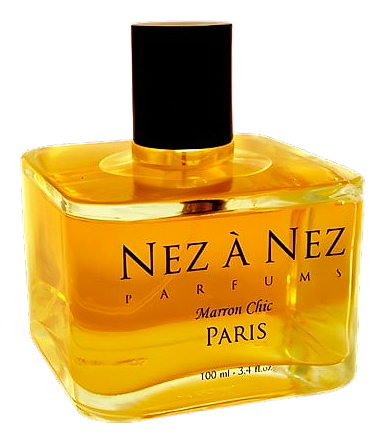
    Marron Chic by Nez a Nez
    4.0

    Marron Chic

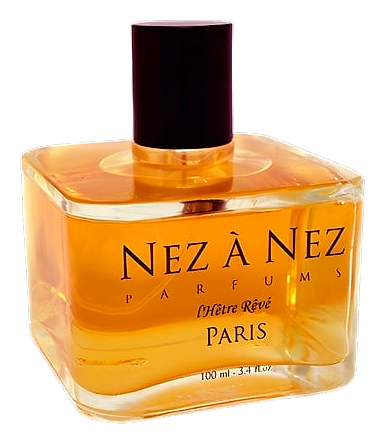
    L’Hetre Reve by Nez a Nez
    3.9

    L’Hetre Reve

    Vanithe by Nez a Nez
    3.9

    Vanithe

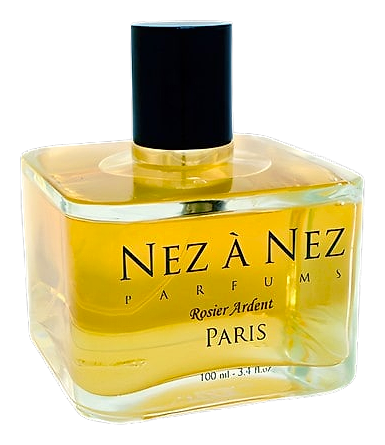
    Rosier Ardent by Nez a Nez
    3.9

    Rosier Ardent

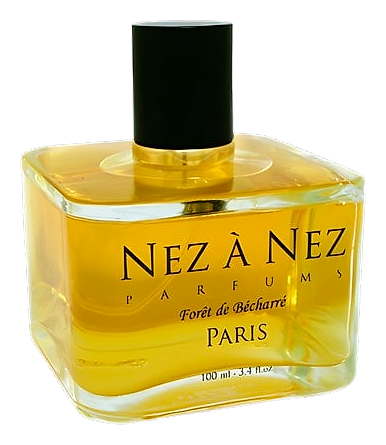
    Foret de Becharre by Nez a Nez
    3.9

    Foret de Becharre

    The Heritage

    The Story of Nez a Nez

    Nez is an independent collective that treats scent as culture. Founded in 2016 by editor Jeanne Doré, sales director Dominique Brunel and creative lead Mathieu Chevara, the group publishes the free annual Nez magazine, curates exhibitions, and releases limited‑edition fragrances. Its roster includes Atelier d’Artiste, Hiroshima Mon Amour (2010) and Bal Musque, each positioned as a conversation between scent, art and the everyday. Nez operates from Paris and reaches a global audience through translated publications and boutique collaborations.

    Heritage

    The story of Nez begins in the mid‑2010s, when three Paris‑based professionals saw a gap in how the perfume world communicated beyond product launches. Jeanne Doré, a veteran editorial director, Dominique Brunel, who had spent a decade running the niche retailer Auparfum, and Mathieu Chevara, a visual artist turned business developer, joined forces in 2016. Their first public statement described Nez as an "olfactory cultural movement" that would bring writers, curators and creators together around scent. The inaugural issue of Nez magazine arrived later that year, offering long‑form essays, interviews and photography that explored niche perfumery without commercial pressure. In 2018 the team expanded the publication model, releasing a bilingual edition for the United States market; the boutique Fumerie announced it would stock translated copies, marking Nez's first foothold outside Europe. Two years later, Nez launched its first fragrance collaboration, Ambre à Lèvres, created with perfumer Mathilde Bijaoui and produced in a limited run of 500 bottles. The project demonstrated the collective’s willingness to translate editorial insight into olfactory form. By 2021 Nez had added a quarterly digital supplement, hosted pop‑up scent salons in Paris and New York, and partnered with independent perfume houses for the 1+1 Limited Edition series, which paired established scents with new reinterpretations. Throughout its first decade, Nez has remained a non‑profit‑oriented platform, funding its activities through modest sales of books, limited‑edition bottles and event tickets, while keeping the core magazine free. The organization celebrated its ten‑year anniversary in 2026 with a retrospective exhibition at the Musée des Arts Décoratifs, showcasing original manuscripts, prototype bottles and video interviews that trace its evolution from a niche idea to a recognized cultural node in the fragrance community.

    Craftsmanship

    When Nez releases a fragrance, the process begins with a written brief that outlines a cultural theme, a historical reference or a sensory memory. The brief travels to an independent perfumer, who translates the concept into a formula using a blend of natural extracts, synthetics and occasionally rare raw materials. For example, the 2010 fragrance Hiroshima Mon Amour combined Japanese yuzu essential oil with a synthetic amber accord to evoke post‑war reconstruction. Nez works with suppliers who can provide traceable ingredients; many of the natural absolutes are sourced from certified farms in Grasse, Madagascar and the Indian subcontinent. Production takes place in small‑batch facilities that follow IFRA safety standards, and each batch is tested for consistency by an external laboratory. Bottles are often commissioned from glassmakers in France, featuring clear, minimal containers that let the liquid speak for itself. Labels are printed on recycled paper with soy‑based inks, reflecting the collective’s environmental awareness. Quality control includes a sensory panel composed of the editorial team and invited nose‑experts, who evaluate the final product against the original brief. Limited runs are numbered by hand, and each release is accompanied by a printed booklet that details the ingredient origins, the perfumer’s notes and the cultural narrative that inspired the scent. This meticulous approach ensures that every Nez bottle functions as both a fragrance and a documented piece of olfactory research.

    Design Language

    Nez’s visual identity mirrors its editorial tone: clean lines, high‑contrast monochrome palettes and generous white space. The magazine’s cover often features a single, striking photograph—sometimes a close‑up of a raw material, other times an abstract composition—that hints at the scent inside. Typography relies on a modern sans‑serif font, set in generous leading to encourage leisurely reading. Bottle design follows a minimalist philosophy; most releases use clear glass with a thin, matte black or brushed metal cap, allowing the perfume’s colour to become the focal point. The brand’s logo—a simple, lowercase "nez" rendered in a subtle gray—appears discreetly on the label, reinforcing the idea that the scent, not the branding, should dominate the experience. Promotional materials avoid glossy hype, opting instead for textured paper, hand‑drawn illustrations and occasional hand‑lettered captions that echo the artisanal nature of the collaborations. In digital spaces, Nez maintains a restrained website layout, with navigation driven by large thumbnail images that lead to essays, scent profiles and event calendars. This consistent aesthetic across print, product and online platforms reinforces Nez’s reputation as a thoughtful curator of olfactory culture.

    Philosophy

    Nez approaches scent as a language rather than a commodity. Its founders articulated a belief that fragrance should be discussed with the same rigor as visual art or literature. The collective therefore prioritises research, narrative context and interdisciplinary dialogue. Each publication invites contributors from anthropology, design and music to examine how smell shapes memory, identity and place. In practice, Nez selects collaborators who share a curiosity about the sensory world; perfumers are asked to explain the story behind each note, while writers frame the fragrance within cultural movements. The group also emphasizes accessibility: by offering the magazine for free and translating it into English, Nez seeks to lower barriers for readers outside traditional perfume circles. Sustainability informs its ethos as well; Nez prefers partners who source ingredients responsibly and who disclose production methods. The collective’s events, from scent‑focused talks to immersive installations, aim to foster community rather than drive sales. This philosophy manifests in the way Nez curates its limited‑edition releases: the scent is presented as a chapter in a larger narrative, accompanied by essays and visual material that together invite the audience to explore the olfactory experience from multiple angles.

    Key Milestones

    2016

    Nez is founded by Jeanne Doré, Dominique Brunel and Mathieu Chevara in Paris

    2017

    First free annual Nez magazine is published, focusing on niche perfumery

    2018

    Translated English edition launches in the United States through boutique Fumerie

    2020

    Nez releases its first limited‑edition fragrance, Ambre à Lèvres, in collaboration with perfumer Mathilde Bijaoui

    2021

    Digital quarterly supplement and pop‑up scent salons debut in Paris and New York

    2023

    1+1 Limited Edition series begins, pairing classic scents with new reinterpretations

    At a Glance

    Brand profile snapshot

    Origin

    France

    Founded

    2016

    Heritage

    10

    Years active

    Collection

    2

    Fragrances released

    Avg Rating

    4.2

    Community sentiment

    Release Rhythm

    2011
    1
    2010
    1
    nez-editions.us

    Did You Know?

    Interesting Facts

    Distinctive details and defining moments that shape the house personality.

    01

    Nez’s inaugural magazine issue featured a 12‑page essay on the role of scent in World War II resistance movements.

    02

    The collective’s first fragrance, Ambre à Lèvres, was produced in a batch of exactly 500 bottles, each hand‑numbered by the founders.

    03

    Nez collaborates with glassmakers in the historic town of Baccarat, France, to create its minimalist bottle designs.

    04

    The brand’s free magazine has been translated into three languages—French, English and Japanese—within its first five years.

    The Artisans

    The Perfumers