


The Heritage
The Story of SoOud
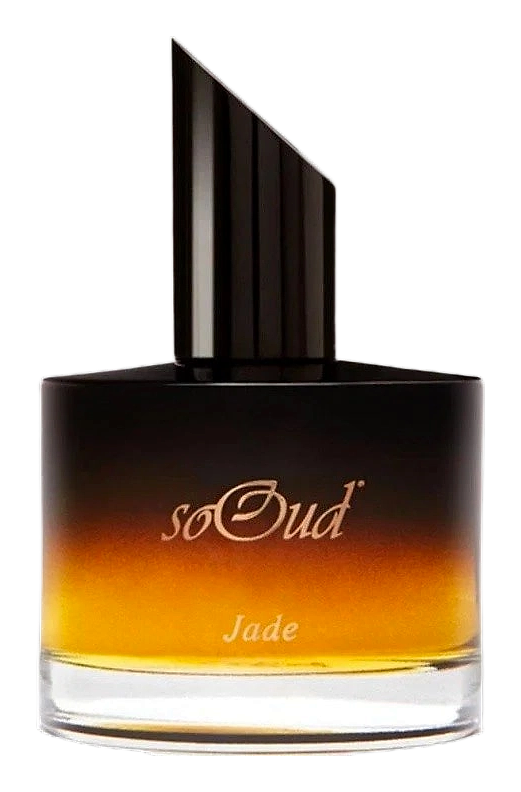
SoOud positions itself as a niche house that celebrates oud in a contemporary framework. The brand draws on the deep resin of agarwood, pairing it with spices, woods and subtle florals to create scents that feel both rooted and fresh. Signature releases such as Ilham (2014) and Jade (2016) illustrate a commitment to bold yet balanced compositions. SoOud offers a curated line that invites collectors to explore the many shades of oud, from smoky depth to luminous clarity, without relying on overt marketing language.
Heritage
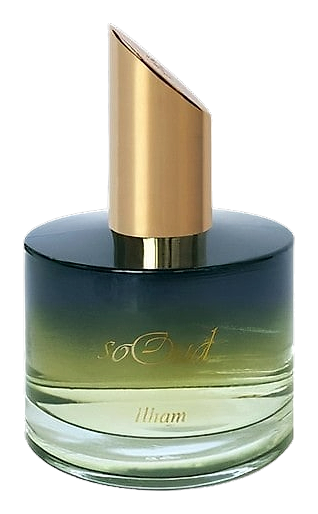
The story of SoOud begins with a chance meeting in 2009 between an Italian perfumer trained in classic European ateliers and an oud enthusiast from Jakarta who grew up surrounded by the fragrant resin of his family's workshop. Their shared curiosity sparked a partnership that led to the launch of SoOud in 2010, with the first fragrance, Asmar, debuting that same year. Early releases focused on pure agarwood extracts, but the house quickly expanded its palette. In 2013 the brand introduced Fatena, a composition that layered oud with amber and incense, earning praise in regional fragrance forums. The following year saw the arrival of Ilham, a scent that combined oud with citrus and violet, marking SoOud's first entry into international niche markets. 2016 brought Jade and Jade d'Or, two variations that explored the contrast between bright green notes and deep, resinous oud. By 2018 SoOud opened its first boutique in Jakarta, providing a dedicated space for customers to experience the fragrances in person. A 2020 collaboration with the Italian founder's former mentor resulted in a limited edition that highlighted the house's cross‑cultural roots. In 2022 the brand announced a sustainability program aimed at supporting responsible agarwood harvesting in Kalimantan, reflecting a growing awareness of environmental impact. Throughout its evolution, SoOud has remained a small‑batch operation, producing each fragrance in limited quantities to preserve quality and exclusivity.
Craftsmanship
SoOud sources agarwood primarily from Indonesia and Malaysia, regions known for high‑grade resin. The house works directly with small‑scale harvesters who follow age‑verification protocols, ensuring that each chip comes from a tree older than thirty years. After collection, the wood undergoes a slow steam distillation that preserves the nuanced aromatic profile. The resulting oil is then blended by hand in a climate‑controlled studio, where the perfumer measures each addition with a precision scale and records the formula in a leather‑bound ledger. The blending process typically spans several weeks, allowing the components to marry and the oud to mellow. Once the perfume reaches its target balance, it is transferred to dark amber glass bottles that protect the fragrance from light. Each batch is aged for a minimum of three months on a wooden pallet before bottling, a step that smooths sharp edges and deepens the overall harmony. Quality control includes blind testing by a panel of senior perfumers and a final olfactory review by the founder. SoOud limits each release to 500–800 units, a practice that maintains consistency and ensures that the final product reflects the original artistic intent.
Design Language
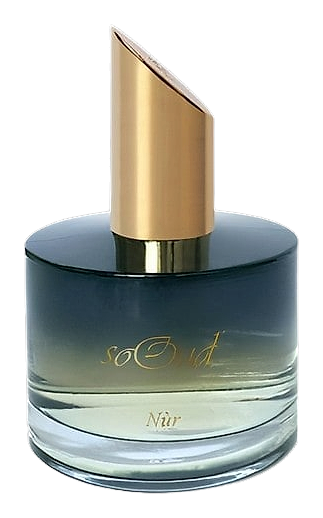
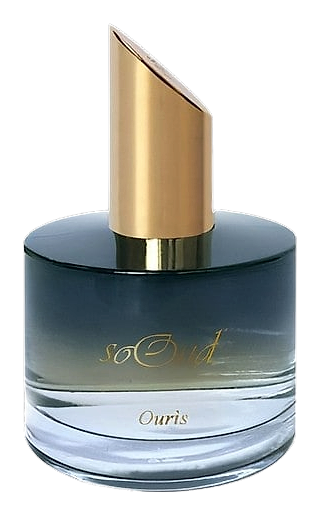
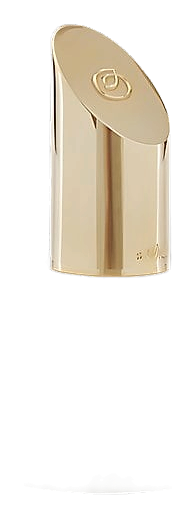
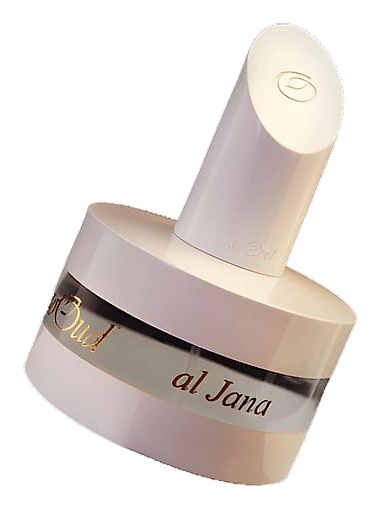
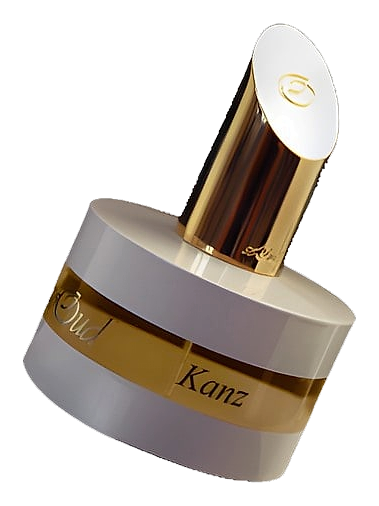
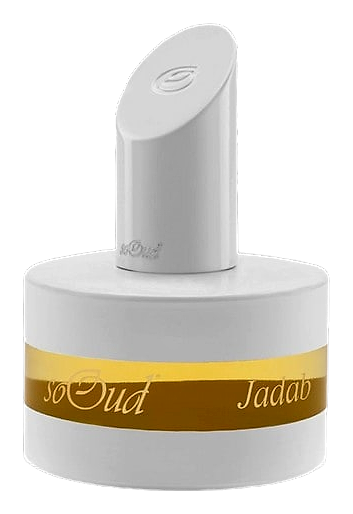
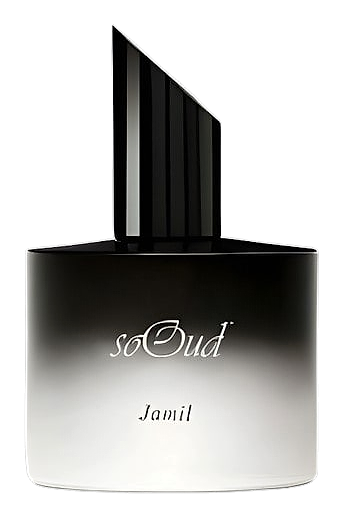
Visually, SoOud embraces a restrained elegance that mirrors its olfactory approach. Bottles are cut from thick amber glass, their shoulders rounded and their caps finished in brushed gold. The brand name appears in a simple sans‑serif typeface, while each fragrance label features a subtle Arabic calligraphic motif that hints at the scent’s origin. Packaging boxes are matte black with a single foil‑stamped line drawing of an agarwood tree, creating a tactile contrast. The interior of the boutique showcases warm wood panels and soft lighting, allowing the fragrances to be experienced without visual distraction. Promotional imagery often places the bottle against a backdrop of natural textures—bark, sand or stone—reinforcing the connection between the perfume and its raw material. This visual language communicates a sense of quiet confidence and invites the wearer to focus on the scent itself.
Philosophy
SoOud treats oud as a living material rather than a static ingredient. The house believes that each piece of agarwood carries its own story, and the creative process starts by listening to that story before adding complementary elements. Transparency guides sourcing decisions; the brand prefers trees that have matured for decades and are harvested under community‑approved guidelines. Respect for tradition appears in the choice of classic Middle Eastern accords, while modernity emerges through unexpected pairings such as oud with citrus or green tea. SoOud values authenticity, meaning that every note is meant to be perceivable, without masking the core resin. The brand also embraces a minimalist aesthetic, allowing the scent itself to be the focal point. Sustainability is woven into the philosophy: the house supports reforestation projects and works with local harvesters to ensure that future generations can experience genuine oud. This blend of heritage, honesty and forward‑thinking practice defines the house's creative vision.
Key Milestones
2010
SoOud founded and launched its first fragrance, Asmar
2013
Release of Fatena, expanding the house's scent palette
2014
Ilham and Jade d'Or debut, gaining attention in niche markets
2016
Jade and Jamil launch, showcasing modern oud pairings
2018
Opening of the first SoOud boutique in Jakarta
2020
Limited‑edition collaboration with Italian mentor perfumer
At a Glance
Brand profile snapshot
Origin
Indonesia
Founded
2010
Heritage
16
Years active
Collection
1
Fragrances released
Avg Rating
4.7
Community sentiment
Release Rhythm


