

The Heritage
The Story of Nusa Art Of Scent
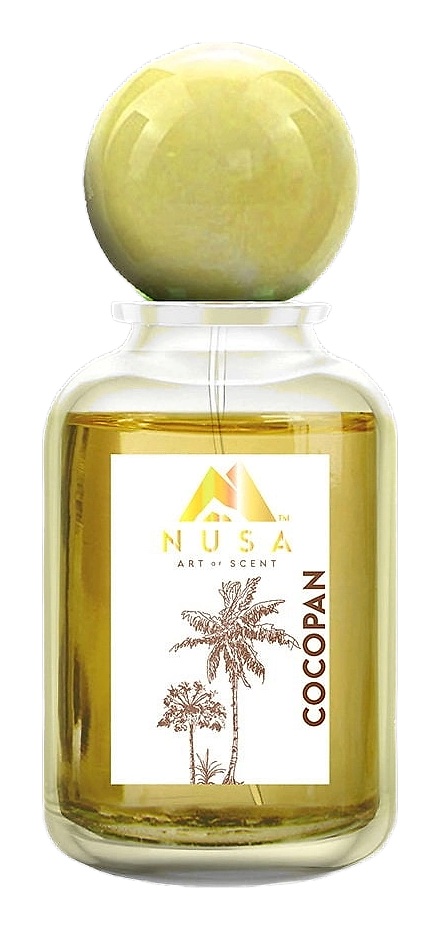
Nusa Art of Scent is a boutique fragrance house that bridges the botanical richness of Borneo with the coastal heritage of the Malay Peninsula. The label offers perfume, home fragrance and design accessories that treat scent as a visual and tactile experience. In 2024 the house introduced four collections – Cocopan, Archipelago, Highland Rose and Meraura – each framed as a sensory vignette of a specific landscape or cultural memory. The brand positions its offerings as limited‑run creations that invite collectors to explore a rarely charted olfactory map.
Heritage
The story of Nusa Art of Scent begins with a small group of scent enthusiasts who, around 2022, decided to translate the biodiversity of Indonesia’s islands into a series of curated fragrance experiences. The name "Nusa" merges the Malay word for island with a nod to the peninsular‑Borneo crossroads, a linguistic choice confirmed by the brand’s own description on Fragrantica. Early development took place in a shared studio in Jakarta, where the founders experimented with locally sourced resins, tropical fruits and highland botanicals. By late 2023 the collective had secured a partnership with the Institute for Art and Olfaction, allowing them to present a research‑driven line of scents that reference traditional perfume‑making techniques while embracing contemporary artistic narratives. The partnership also led to a series of workshops that explored the genealogy of scent in Southeast Asian cultures. In early 2024 the house launched its first four flagship perfumes – Cocopan, Archipelago, Highland Rose and Meraura – each accompanied by a limited edition home‑diffuser set. Meraura earned a finalist spot in the Artisan competition later that year, a recognition noted by the brand’s Instagram channel and corroborated by the competition’s public shortlist. Since its inception, Nusa Art of Scent has remained a small‑scale operation, releasing new compositions only when a distinct story and a reliable supply of raw material align, a practice that has kept the label’s catalogue both focused and evolving.
Craftsmanship
Production at Nusa Art of Scent follows a small‑batch model that blends traditional extraction methods with modern quality controls. Raw materials – including Borneo wild orchid petals, Sumatran sandalwood chips and highland rose buds from the Cameron Highlands – are sourced directly from smallholder farms that practice agroforestry. The brand works with certified organic growers whenever possible, and each shipment is accompanied by a provenance certificate. Extraction techniques vary by material: steam distillation is used for delicate florals, while cold‑pressing preserves the bright citrus notes of cocopan fruit. After initial extraction, the raw essences undergo a maturation period in glass vessels, allowing the aromatic compounds to integrate naturally. Blending is performed by hand in a temperature‑controlled lab, with each formula recorded in a ledger that tracks batch numbers, ingredient ratios and ambient conditions. Quality assurance includes gas‑chromatography analysis to verify the purity of each component and sensory panels that evaluate balance and longevity. The final perfume is filtered through a fine mesh, then decanted into hand‑blown glass bottles that are sealed with cork stoppers sourced from reclaimed wood. Home fragrance products follow a similar protocol, using the same base oils and essential extracts to ensure a cohesive olfactory signature across product categories.
Design Language
Visually, Nusa Art of Scent draws on the geography that inspires its scents. Bottle silhouettes echo the curvature of island shorelines, while the glass surface is often left matte to suggest the texture of volcanic rock. Labels feature hand‑drawn cartographic lines and muted earth tones that reference the region’s rainforests and coral reefs. The brand’s typography employs a clean sans‑serif typeface paired with subtle calligraphic flourishes, creating a balance between modern minimalism and cultural heritage. Packaging for the 2024 releases incorporates recycled paper that bears a faint imprint of traditional batik patterns, linking the tactile experience of unboxing to local artistic practices. The home fragrance line uses ceramic diffusers glazed in oceanic blues, each piece signed by a regional artisan. Across its visual assets, the brand avoids overt luxury cues, instead opting for understated elegance that lets the scent narrative remain the focal point.
Philosophy
Nusa Art of Scent treats fragrance as a narrative medium rather than a commercial product. The creators describe their work as an attempt to capture the "rich, untamed essence" of Indonesia’s varied ecosystems, translating geography into scent. Their guiding principle is that each perfume should act as a portable memory, anchored in a specific place or cultural practice. The brand values transparency in ingredient provenance, opting for botanicals harvested by local cooperatives that follow sustainable protocols. Collaboration with academic and artistic institutions, such as the Institute for Art and Olfaction, reflects a commitment to research‑based creation. Rather than chasing trends, the house follows a seasonal rhythm dictated by the harvest cycles of key ingredients, allowing the creative process to respond to natural availability. This approach underscores a belief that true rarity arises from authenticity and respect for the source, not from artificial scarcity.
Key Milestones
2022
Founding of Nusa Art of Scent by a collective of Indonesian scent enthusiasts
2023
Collaboration established with the Institute for Art and Olfaction for research and workshops
2024
Launch of four flagship perfumes: Cocopan, Archipelago, Highland Rose and Meraura
2024
Meraura selected as a finalist in the Artisan competition
2025
Introduction of a limited‑edition home fragrance line featuring ceramic diffusers
At a Glance
Brand profile snapshot
Origin
Indonesia
Founded
2022
Heritage
4
Years active
Collection
1
Fragrances released
Avg Rating
4.3
Community sentiment


