The Story
Why it exists.
The beginning
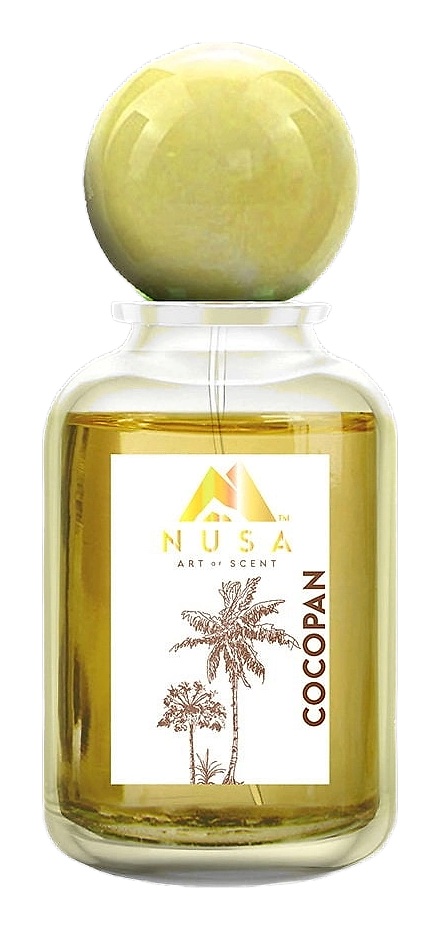
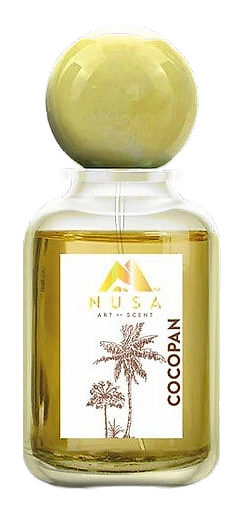
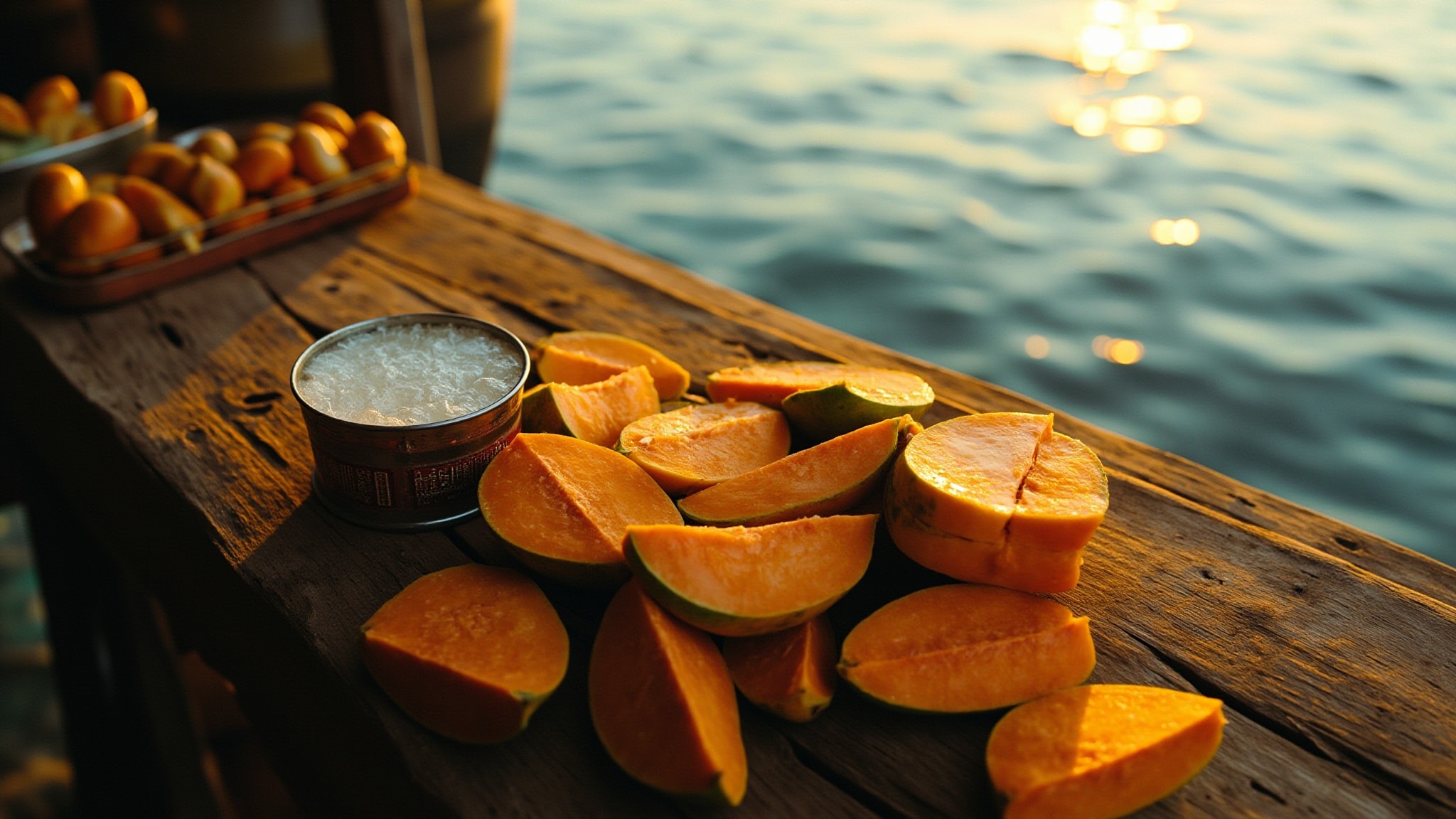
Cocopan captures the essence of Melaka, a Malaysian port where Malay, Chinese, Portuguese, and Dutch trade routes converged, leaving behind a culture that is unmistakably tropical. Abdullah Al Roman designed Cocopan to translate that spirit into scent, not through literal spice or incense, but through the fruits, creams, and warmth that define the region's sensory landscape. Mango and papaya open like light on water, their sweetness tempered by a mineral brightness that evokes salt air. Coconut, palm sugar, and pandan leaf form the heart, a rich and layered combination where the tropical fruit sweetness meets creamy depth and a subtle green undertone.
The choice of coconut as the central accord, rather than a supporting note, is the key structural decision here. Coconut milk reads as lactonic and creamy, softer than coconut water or shredded coconut, and it bridges the gap between the bright tropical opening and the warm edible base. Palm sugar, or gula Melaka, adds a caramel-brown sugar nuance that is distinctly regional without being gimmicky. Pandan leaf, used in Southeast Asian cooking for its green, slightly nutty aroma, grounds the sweetness with something almost savory.
The evolution
The opening announces itself quickly, mango and papaya are ripe, bright, and almost confectionery-sweet on first spray. Within 30 minutes, the papaya softens and coconut emerges, lactonic and smooth. The transition from fruit to cream is seamless; they coexist for the next few hours without either overwhelming the other. Around the 3-4 hour mark, white chocolate and sandalwood arrive. The sandalwood adds a warm, slightly creamy woodiness that keeps the drydown from becoming too sweet. Vanilla and musk follow, creating a powdery warmth that stays close to the skin. By hour 6-8, Cocopan is a skin scent in the truest sense: present for the wearer, discovered by anyone who leans in. The drydown on clothes can last into the next day, faint coconut and white chocolate, like the ghost of a warm afternoon.
Cultural impact
Cocopan stands as Nusa Art of Scent's most accessible work, a departure from the complexity of Archipelago or the heightland florals of Highland Rose, leaning instead into pure, immediate tropical pleasure. For a house that built its identity on rarity and narrative depth, this fragrance offers a clear entry point. The composition demonstrates restraint: sweetness without aggression, warmth without heaviness, tropical without cliché. It is, in the context of Indonesian niche perfumery, a quiet statement, proof that a fragrance house rooted in biodiversity can still make something that wears easily and appeals broadly.