White Chocolate
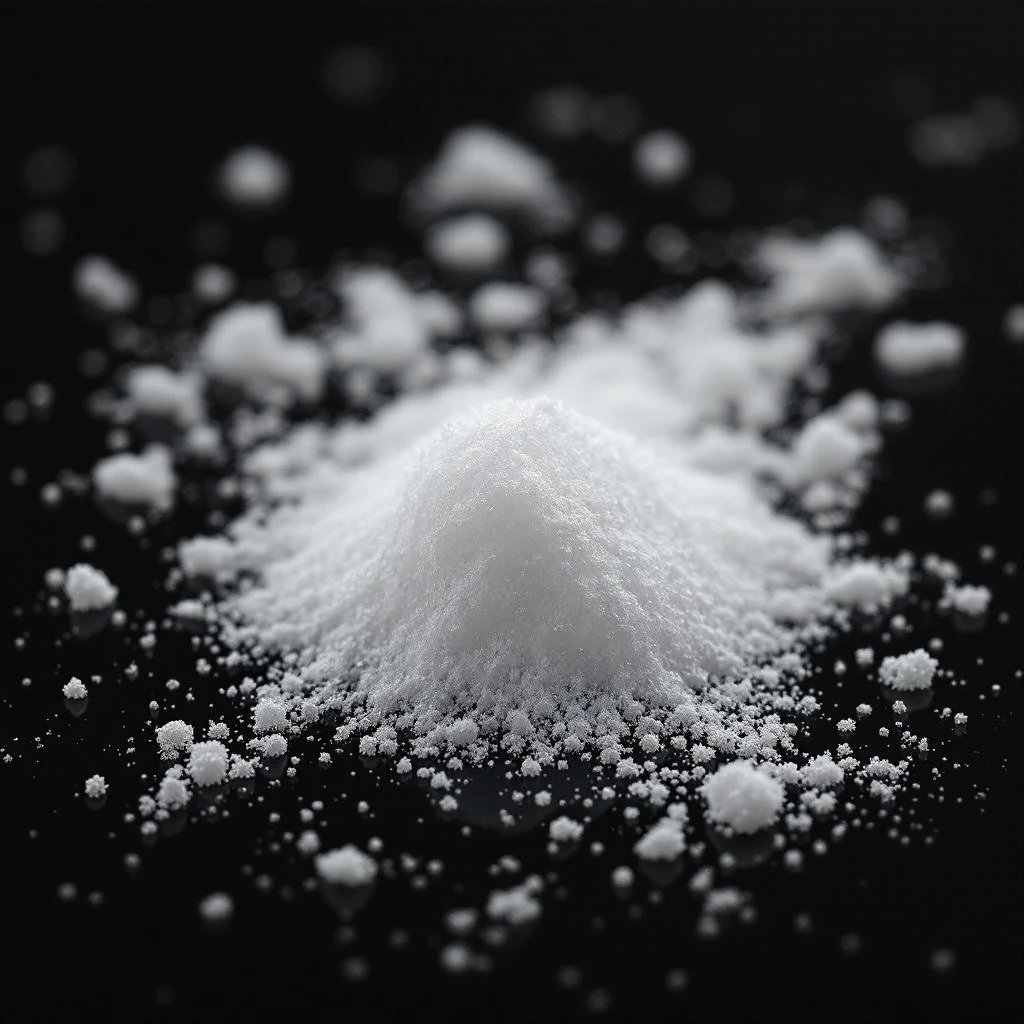
White chocolate in perfumery is a plush, velvety accord that smooths and rounds compositions. Unlike its dark counterpart, it carries no cocoa depth—only creamy softness and powdery warmth. Perfumers use it to polish florals, soften musks, and add a tactile, cuddly quality that feels luxurious rather than sugary.
Character
How it smells
The softest, most indulgent note in the perfumer’s palette.
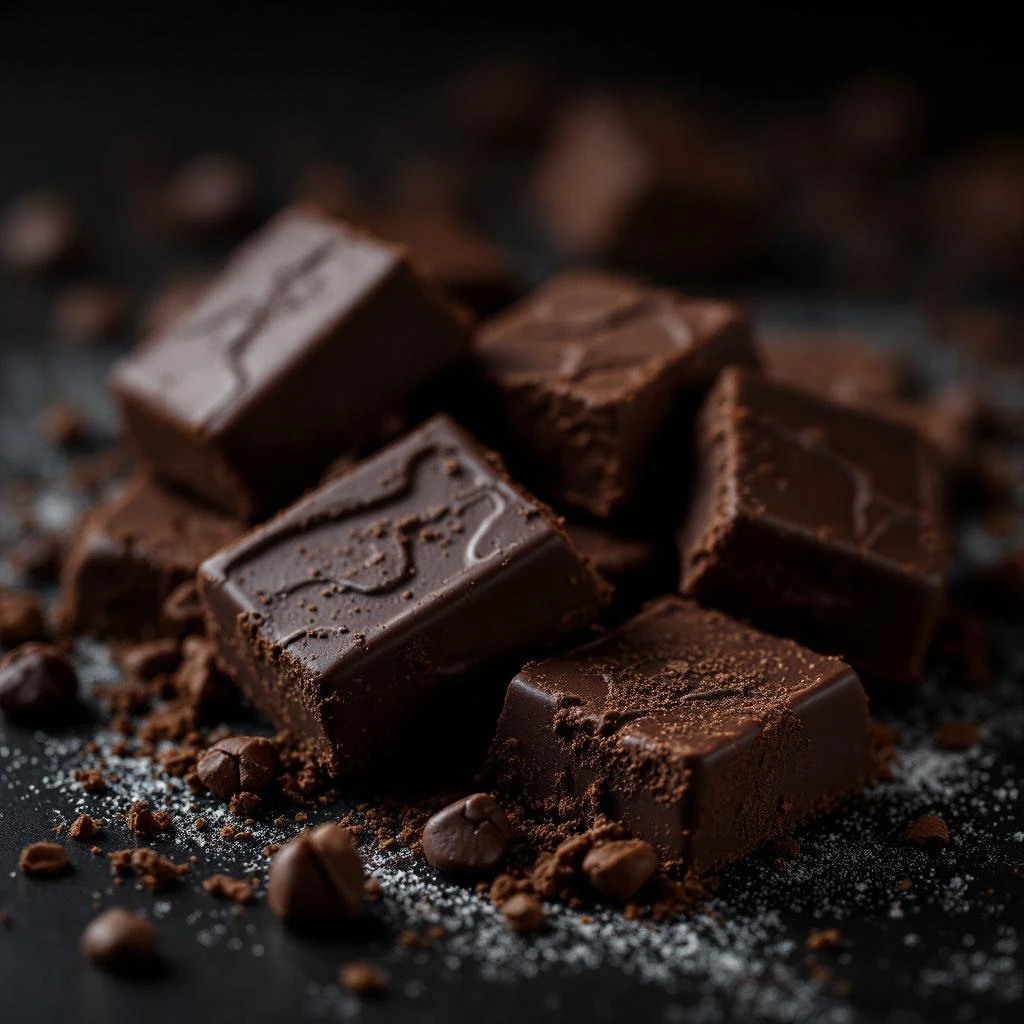
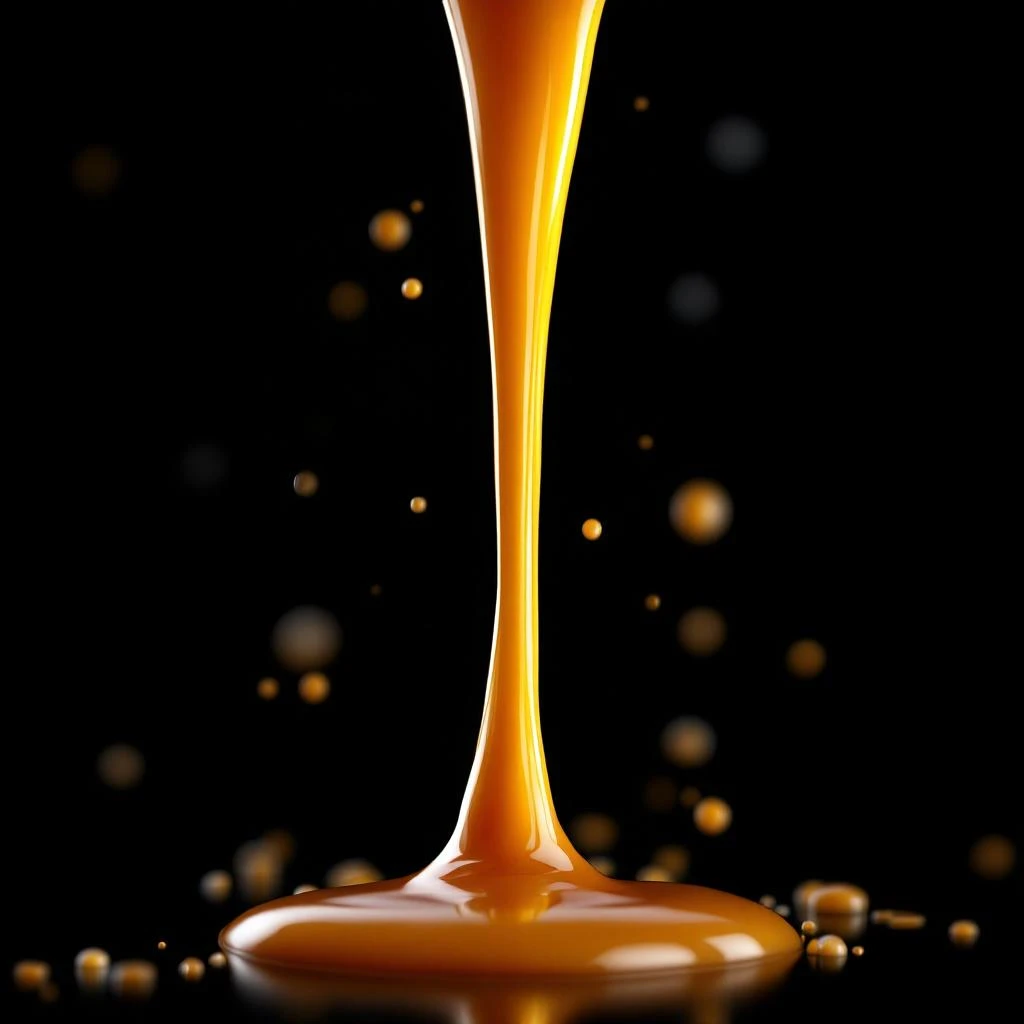
“White chocolate” in perfumery contains no actual cocoa—perfumers build it from white musks, vanillin, and lactones to recreate that plush, creamy character.







Origin
Constructed in perfumery labs worldwide (inspired by Theobroma cacao, Mesoamerica)
While chocolate as a flavor has been cherished for millennia, its journey into perfumery began only in the early 1990s. Perfumer Olivier Cresp’s work for Thierry Mugler in 1992 marked a turning point, introducing chocolate as a legitimate fragrance ingredient after centuries of culinary use. Before this, noses had largely avoided chocolate as too visceral, too literal.
Cresp’s breakthrough opened the door to a new gourmand language, and white chocolate’s softer interpretation soon followed—a decadent turn away from dark chocolate’s bitterness toward something creamier and more inviting. Today, white chocolate remains a finishing note, used to add warmth and tactility without heaviness.
Wears it best
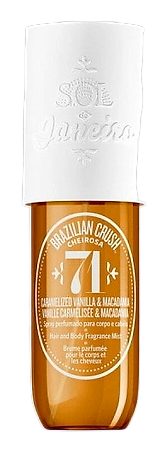
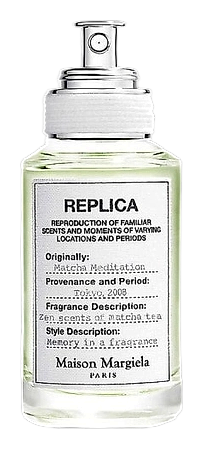
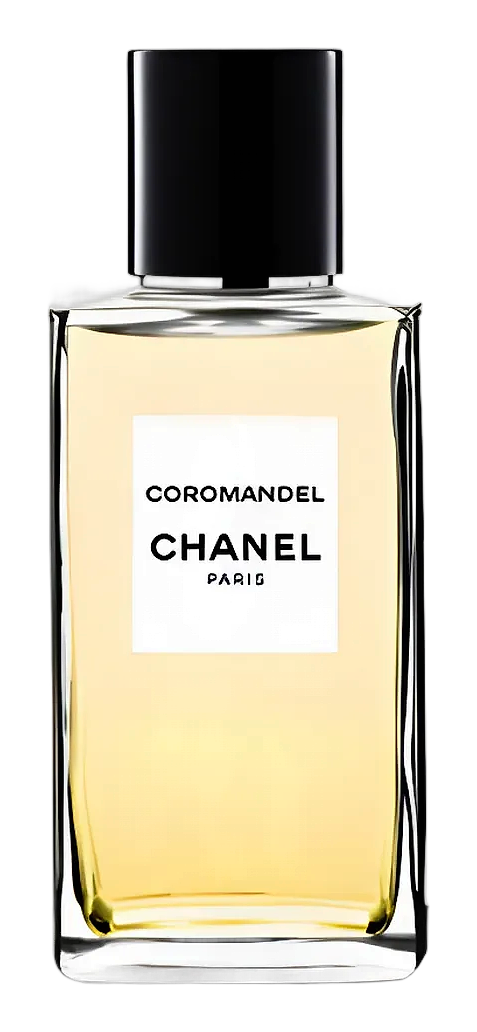
Fragrances featuring White Chocolate
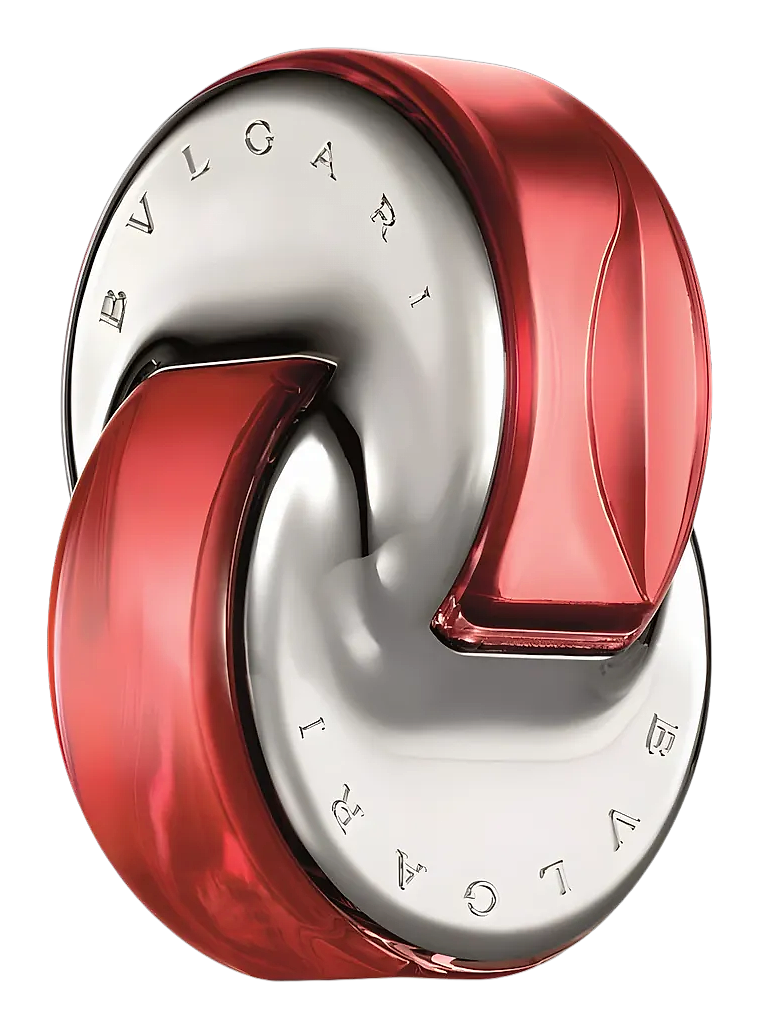
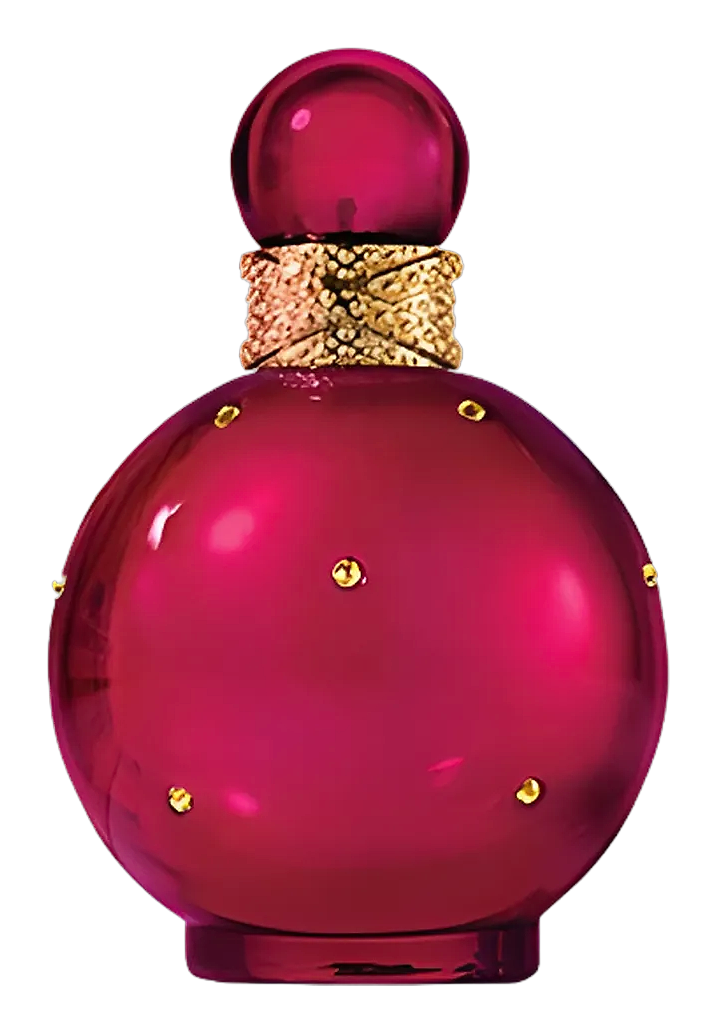
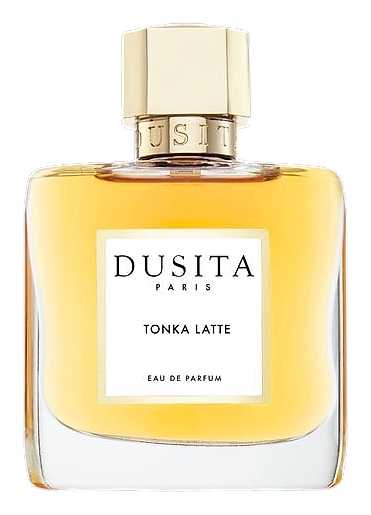
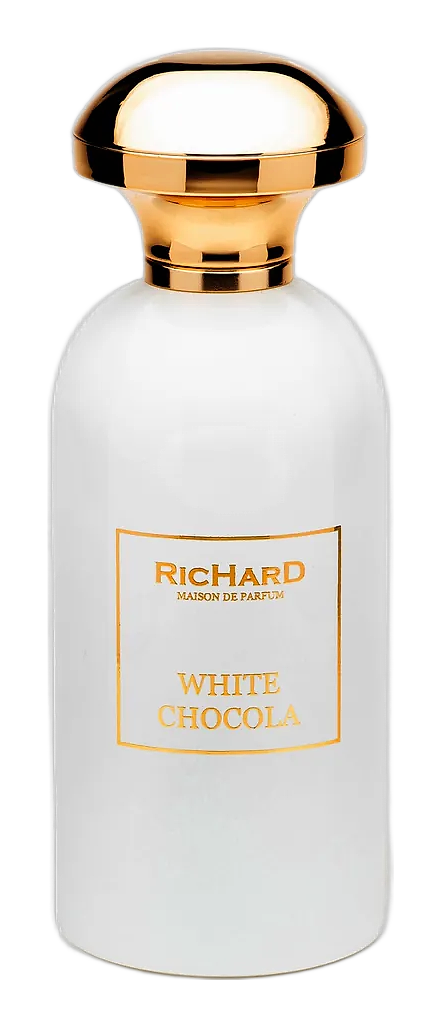
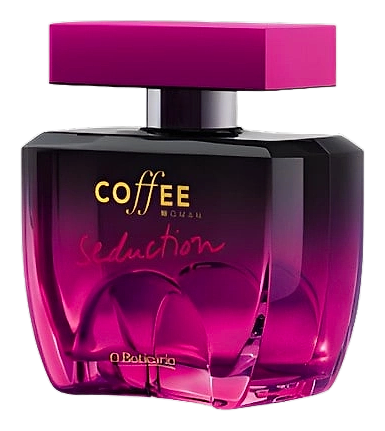
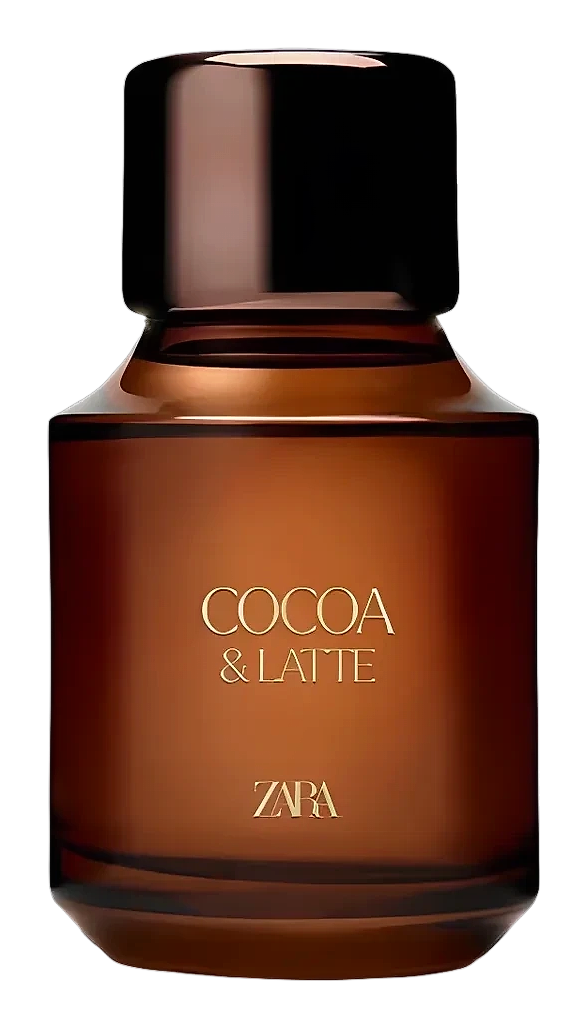
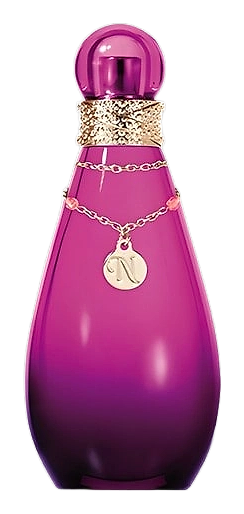
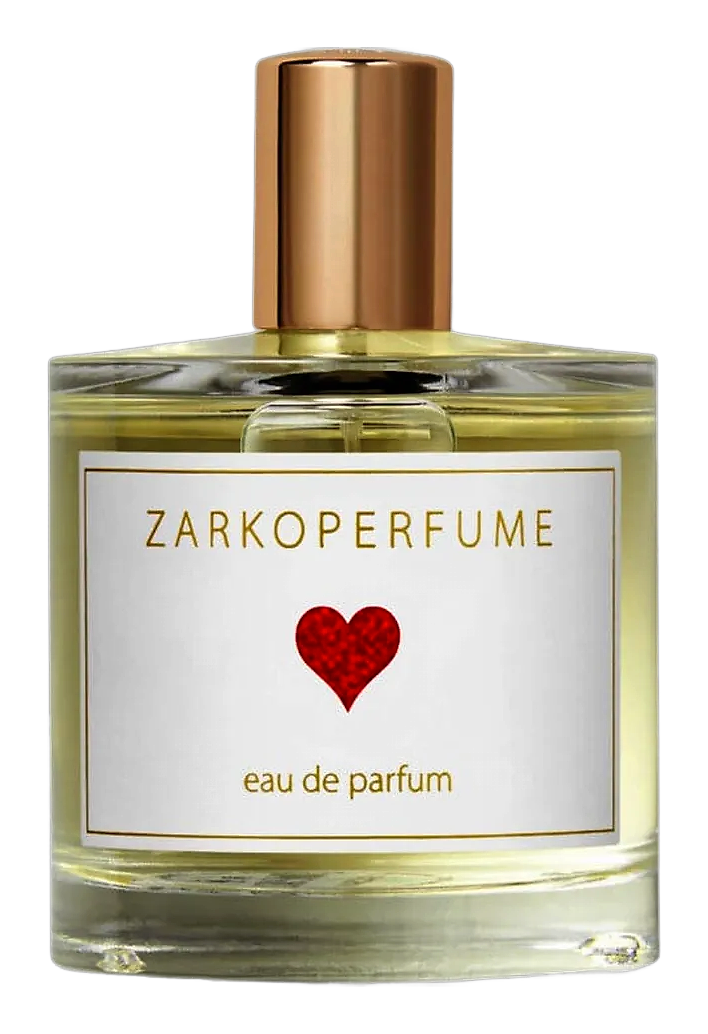
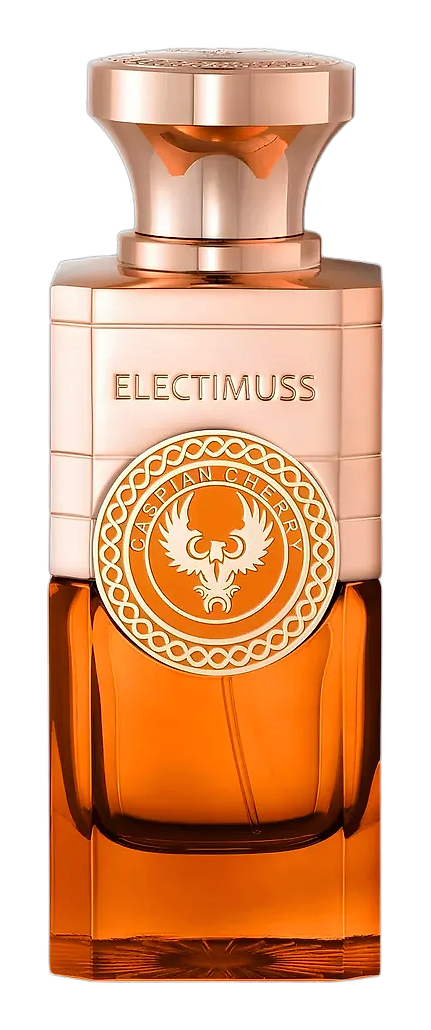
Brands
Brands known for White Chocolate
Good to know
Questions, answered
The essentials on White Chocolate in perfumery: how it smells, where it comes from, and how it behaves on skin.
What is white chocolate note in perfumery?
White chocolate in perfumery is a synthetic or nature-identical accord built from white musks, vanillin, and creamy lactones. It recreates the plush, buttery softness of white chocolate without any actual cocoa, lending a smooth, rounded quality to fragrances.
How does white chocolate differ from dark chocolate in perfume?
Dark chocolate brings bitterness, earthiness, and raw intensity from cocoa absolute or synthetic pyrazines. White chocolate offers no cocoa depth—only creamy softness, powdery warmth, and a velvety texture that polishes and softens compositions.
What ingredients pair well with white chocolate?
White chocolate pairs naturally with powdery companions: iris, violet, and heliotrope. It also harmonizes with sandalwood, tonka, and soft resins, creating a sweet haze that feels plush rather than sugary.
When did chocolate first enter modern perfumery?
Chocolate’s perfumery debut came in 1992 when Olivier Cresp created the landmark Thierry Mugler fragrance. This breakthrough opened chocolate’s aromatic potential after centuries of purely culinary use.
Is white chocolate note natural or synthetic?
White chocolate is typically a synthetic accord combining white musks, vanillin derivatives, and lactones to recreate its plush, creamy character. No natural extraction produces a true white chocolate material.
What fragrance families use white chocolate?
White chocolate appears in gourmand, oriental, and floral compositions as a base-note anchor. It adds creamy depth and warmth, extending its tactile softness across multiple fragrance styles.
What effect does white chocolate have on a fragrance composition?
White chocolate smooths sharp edges, makes florals more tactile, and turns musks cuddly. It polishes and rounds a composition, adding luxury without sweetness overload.
Can white chocolate stand alone as a dominant note?
White chocolate rarely dominates; it functions as a supporting base that smooths transitions and adds warmth. Its role is finishing—enhancing other notes’ tactility and extending their longevity.