
The Story
Why it exists.
The beginning
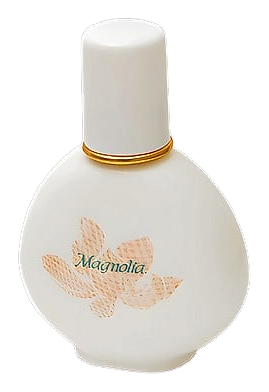
Magnolia arrived in 1983 as a love letter to a single flower, the magnolia blossom. Apple was added to lift the green quality of the magnolia, giving the opening a crispness that felt fresh and intentional rather than ornamental. The combination creates an immediate impression of dewy blossoms and tart fruit, an opening that announces itself clearly without fanfare. Beneath the surface, the magnolia note unfolds with subtle complexity, its creamy petals revealing themselves as the initial brightness settles. The result was a fragrance that captured the energy of its era without chasing trends. Unapologetically floral, it carries itself with a directness that remains compelling decades after its debut.
What makes Magnolia's structure interesting is how five white florals coexist without collapsing into a single blurry note. Gardenia brings creaminess. Tuberose adds an intoxicating, almost dizzying quality. Jasmine contributes opulent warmth. Lily provides its own distinct presence, adding depth without overwhelming the blend. Together they form a chorus, each voice distinct. The oakmoss in the base is doing structural work here, it prevents the florals from floating away into sweetness, giving the composition a mossy, grounded quality that anchors the entire experience.
The evolution
The opening is bright and immediate, magnolia blossom with a green apple note that cuts through like morning light. The heart is where Magnolia earns its reputation. Gardenia, tuberose, jasmine, and lily unfold together, creating a rich, almost tactile presence that feels lush without being overwhelming. There's a soapy quality here that some will recognize from classic 80s florals. It's clean, it's feminine, it's intentional. The combination of these white florals creates layers of creamy petals and intoxicating warmth that build upon each other as the fragrance develops. The drydown is where oakmoss, cedar, and patchouli step forward, grounding the florals and preventing the composition from dissolving into sweetness. Sandalwood and vanilla add warmth. Musk keeps everything close to the skin.
Cultural impact
Magnolia arrived in 1983, making it a sought-after classic for those who remember its distinctive clean, soapy character. Production in France was stopped, but Magnolia produced in other countries can still be found. For those who knew it, Magnolia is a nostalgic reference point. For those discovering it, it offers a window into how white florals were composed. The fragrance stands as an artifact of its era, demonstrating a particular approach to floral composition that prioritizes clarity and intentionality.