The Story
Why it exists.
The beginning
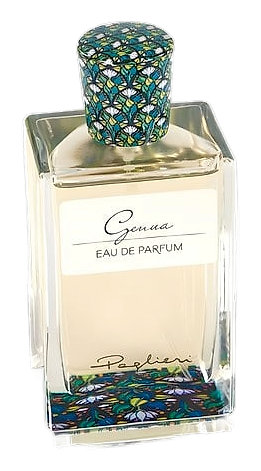
Genua takes its name from the Italian city itself, a city of maritime history, coastal forests, and ancient harbors. Released in 2016, the fragrance was created by Henri Bergia and Eric Fracapane as part of Paglieri's Città collection, a series of scents named for Italian cities. The brief was simple on paper: translate Liguria into liquid form. Maritime air. Coastal pines. The incense that once filled the old port where trade routes met. Ambition, for a fragrance. Whether it succeeds depends on whether you've stood in those forests yourself.
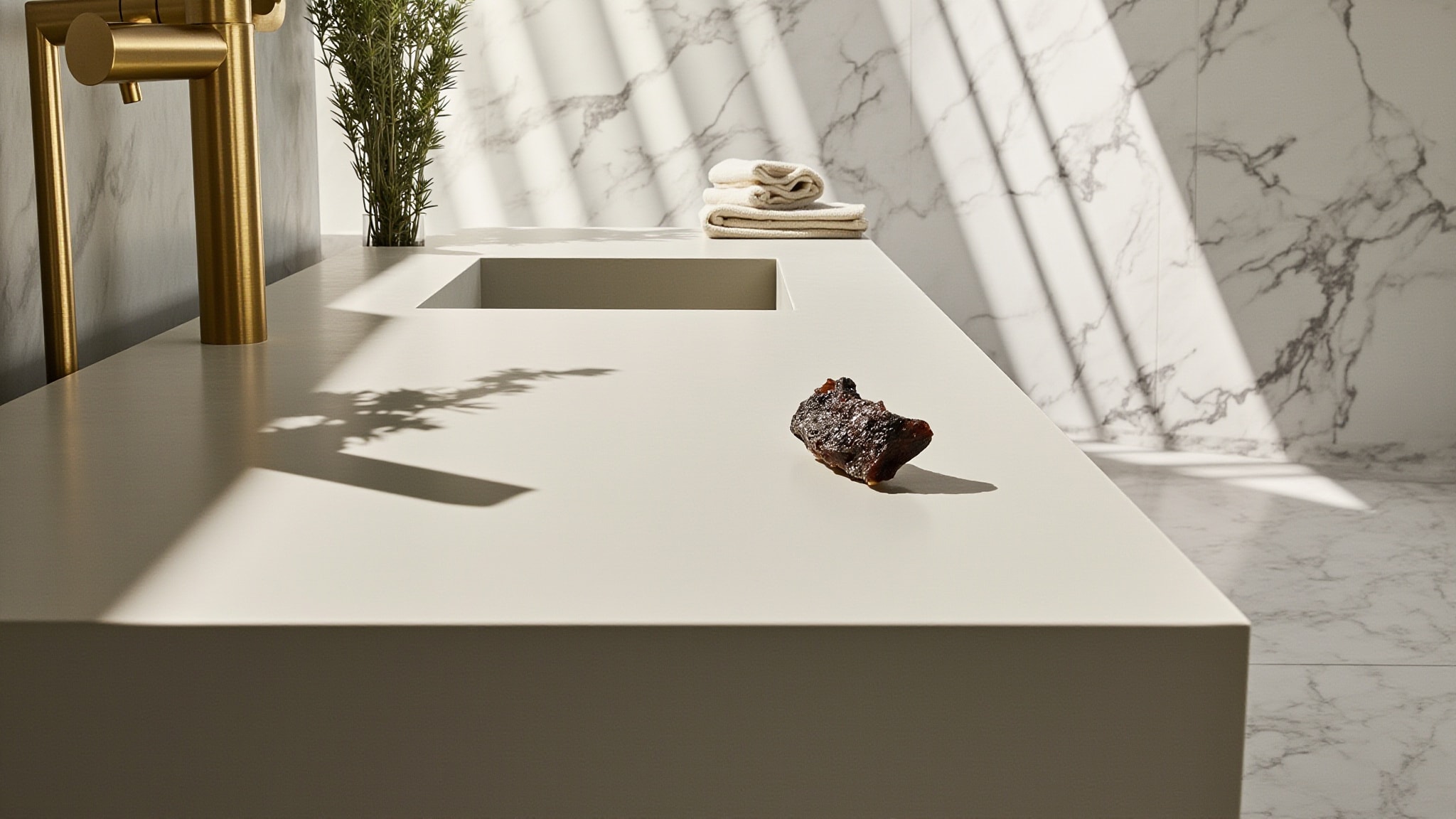
What makes it work is the myrrh. Bitter, warm, resinous, it gives Genua a Mediterranean character that isn't just sunshine and bergamot. The olive blossom in the heart reinforces this, adding a green herbal note that reads distinctly Ligurian. It's not a romanticized portrait. It's an honest one, austere enough to be interesting, warm enough to wear.
The evolution
The opening announces itself quickly, lemon and black pepper cutting through with Mediterranean directness. That citrus-bitter freshness doesn't linger long. Within minutes, the myrrh and vetiver arrive, steering the composition toward green herbal territory. The basil in the heart deepens this, adding another layer of bitter complexity to the green notes. Resinous elements begin their slow reveal almost from the start. By the late drydown, the incense and cypress take over, creating a quiet, almost spiritual quality that lasts for hours. The final impression is sandalwood and patchouli, warm, woody, close. On fabric, it can persist into the next day. The sillage stays moderate throughout, never loud, but consistent.
Cultural impact
Genua sits comfortably within the woody-green category, offering something with more character than many mainstream offerings. The bitter-fresh myrrh throughout gives it a distinctive edge that stands apart from safer citrus-and-wood compositions. It's the kind of fragrance that rewards attention.